

Highlights of Holland
Netherlands Bike + Boat Tours
Discover the world of Rembrandt
- Tour Type
- Skill Level
- Length11 days
- Prices from€1985 Rates
- Book This Trip
Overview
This bike tour in Holland will take you along the old shores of the “zuidersea” visiting century-old villages like Monnickendam, Hoorn, and Enkhuizen that still breathe the history of a long-gone by past.
At the most Northern part of the tour, you will cross the Waddensea to visit the Island of Texel. Magnificent beaches, a scenic lighthouse, quaint villages, and a relaxed atmosphere mark the Island.If you like beer, you'll enjoy tasting excellent beer at the local brewery.
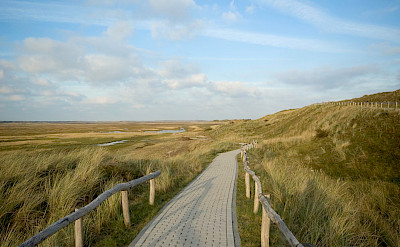
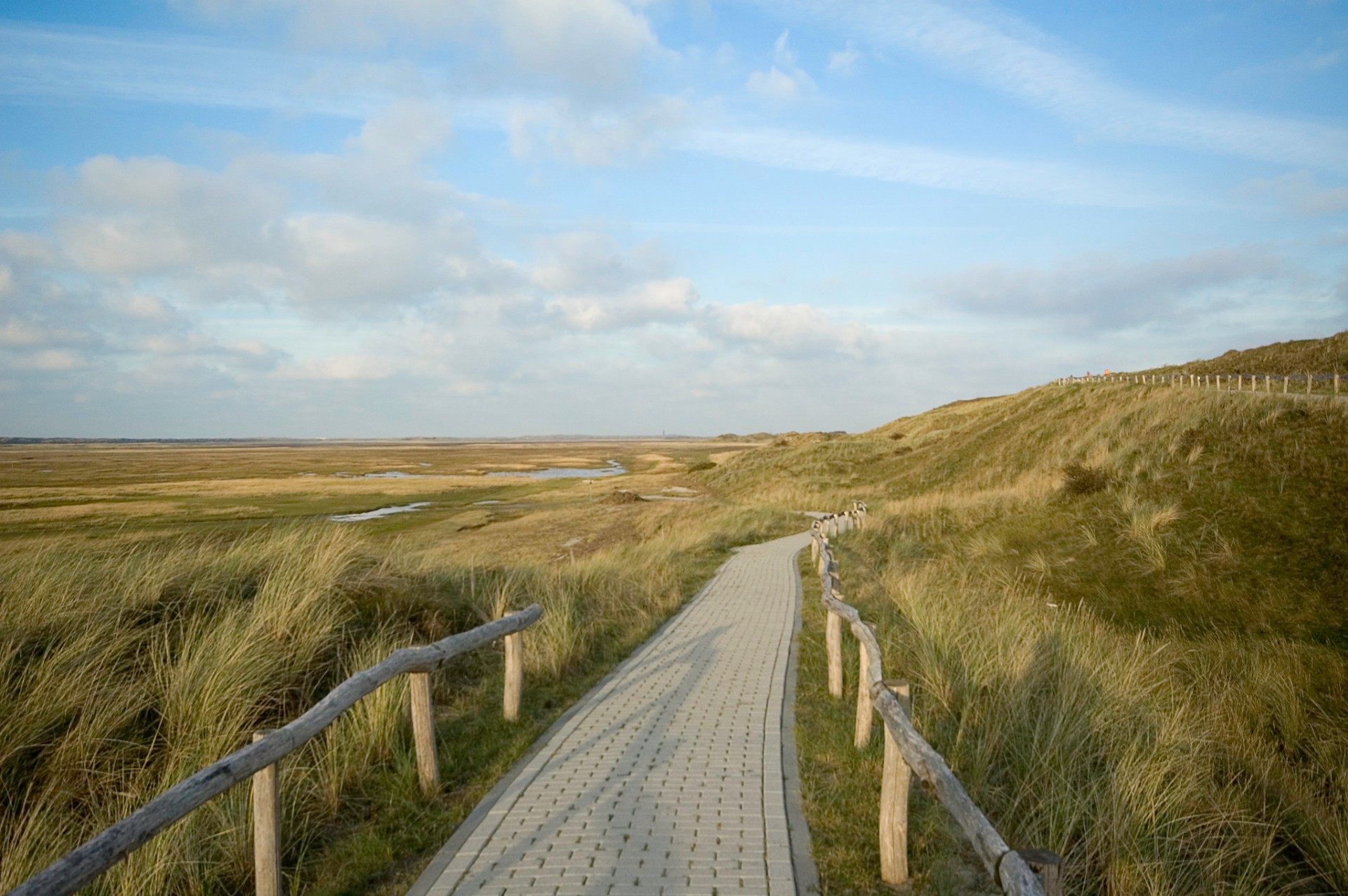
Cycle through the Dunes and experience the beauty of the landscape while breathing the fresh air from the sea.
Highlights
- The old Dutch villages of Monnickendam, Hoorn, and Enkhuizen
- Waddensea
- Island of Texel
- Excellent local beers
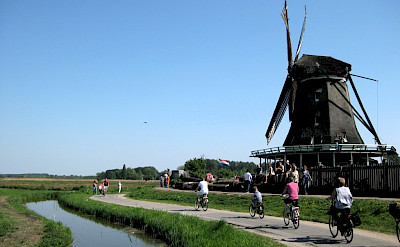
- The iconic windmills of Holland
- The IJsselmeer coastline
A list of all of our bike barge tours in Holland can be found here.
Itinerary
Day 1: Amsterdam, 10 mi. (15 km)
Day 2: Amsterdam - Marken - Volendam, 15 miles (25 km)
Day 3: Volendam - Hoorn, 14 miles (22 km)
Day 4: Hoorn - Enkhuizen, 15 miles (25 km)
Day 5: Enkhuizen - Medemblik, 12.5 miles (20 km)
Day 6: Medemblik - Den Oever - Den Helder, 12.5 mi. (20 km)
Day 7: Texel, 0 to 28 miles (0 to 45 km)
Day 8: Den Helder - Alkmaar, 12.5 or 28 miles (20 or 45 km)
Day 9: Alkmaar - Zaansche Schans - Haarlem, 15 to 28 mi (25 or 45 km)
Day 10: Haarlem - Amsterdam, 3 or 15 mi (5 or 25 km)
Day 11: AmsterdamDay 1: Amsterdam, 10 mi. (15 km)
Arrival onboard the Elodie in Amsterdam where the crew will welcome you with a nice cup of tea or coffee. Introduction to the crew, of the rules on board, and you’ll get all the information on the full program too. After this, you take a short tour through the rural area of North Amsterdam so that you can get comfortable with your bike and make any adjustments if required.In the evening, after dinner, your guide will take you for a walk through Amsterdam.
Day 2: Amsterdam - Marken - Volendam, 15 mi. (25 km)
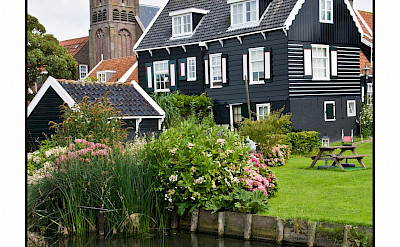
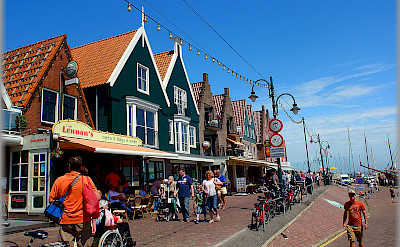
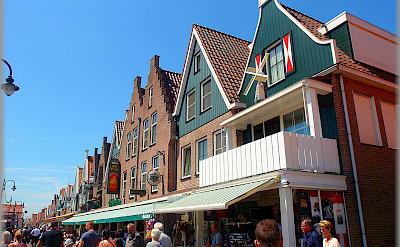
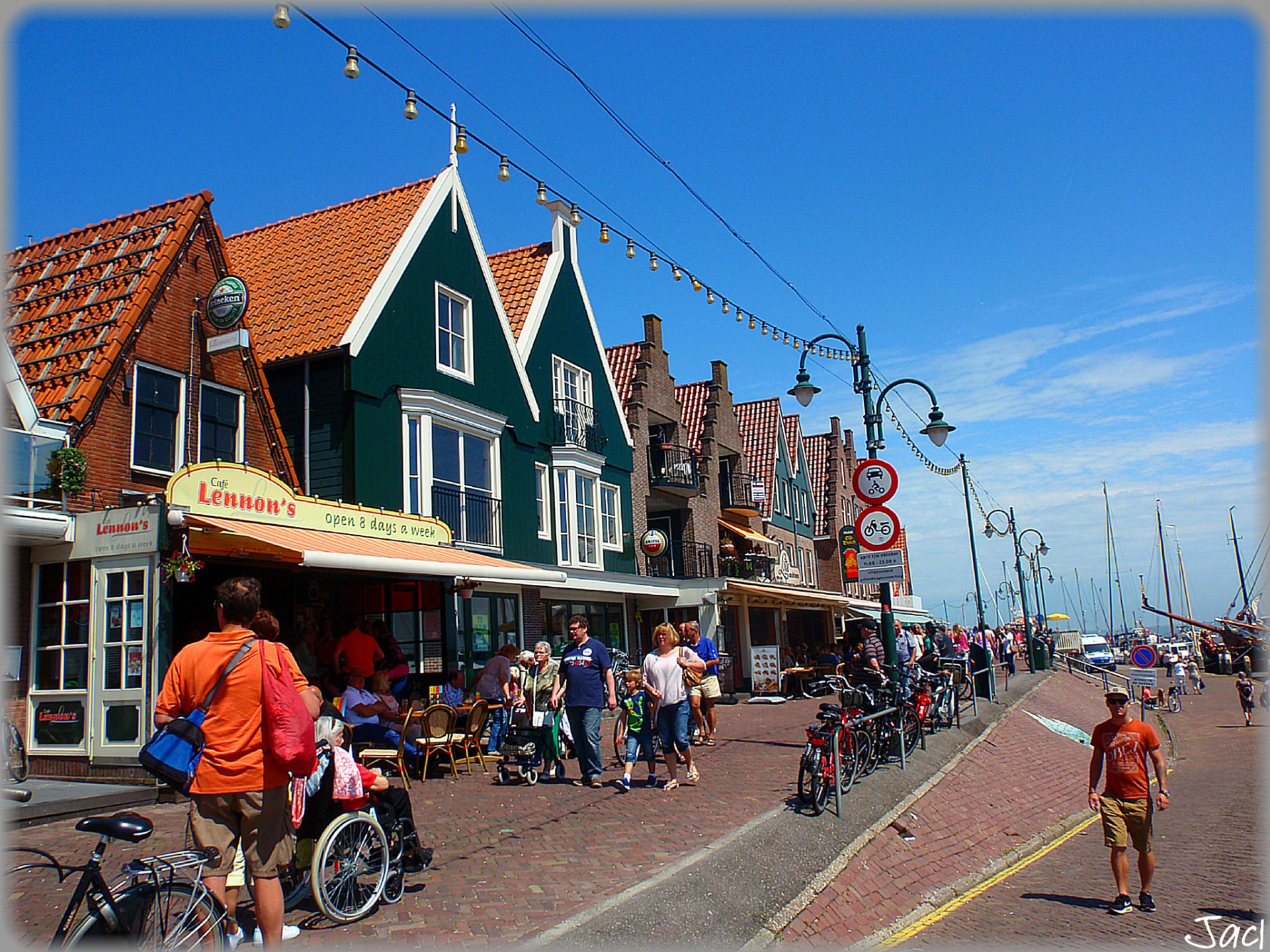
Today you'll experience a medley of wonderful landscapes and little “South Sea” villages. We start in Amsterdam, following the IJsselmeer coastline through wetlands to the former island of Marken. Here you'll see some of the inhabitants wearing traditional costumes and enjoying the beauty of their traditional houses. With your bikes, you take the express ferry to Volendam, a charming little touristic town.Day 3: Volendam - Hoorn, 14 mi. (22 km)
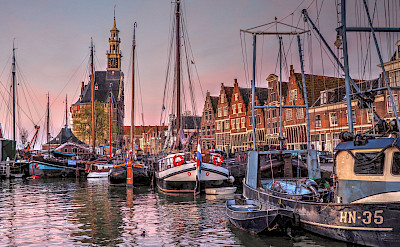
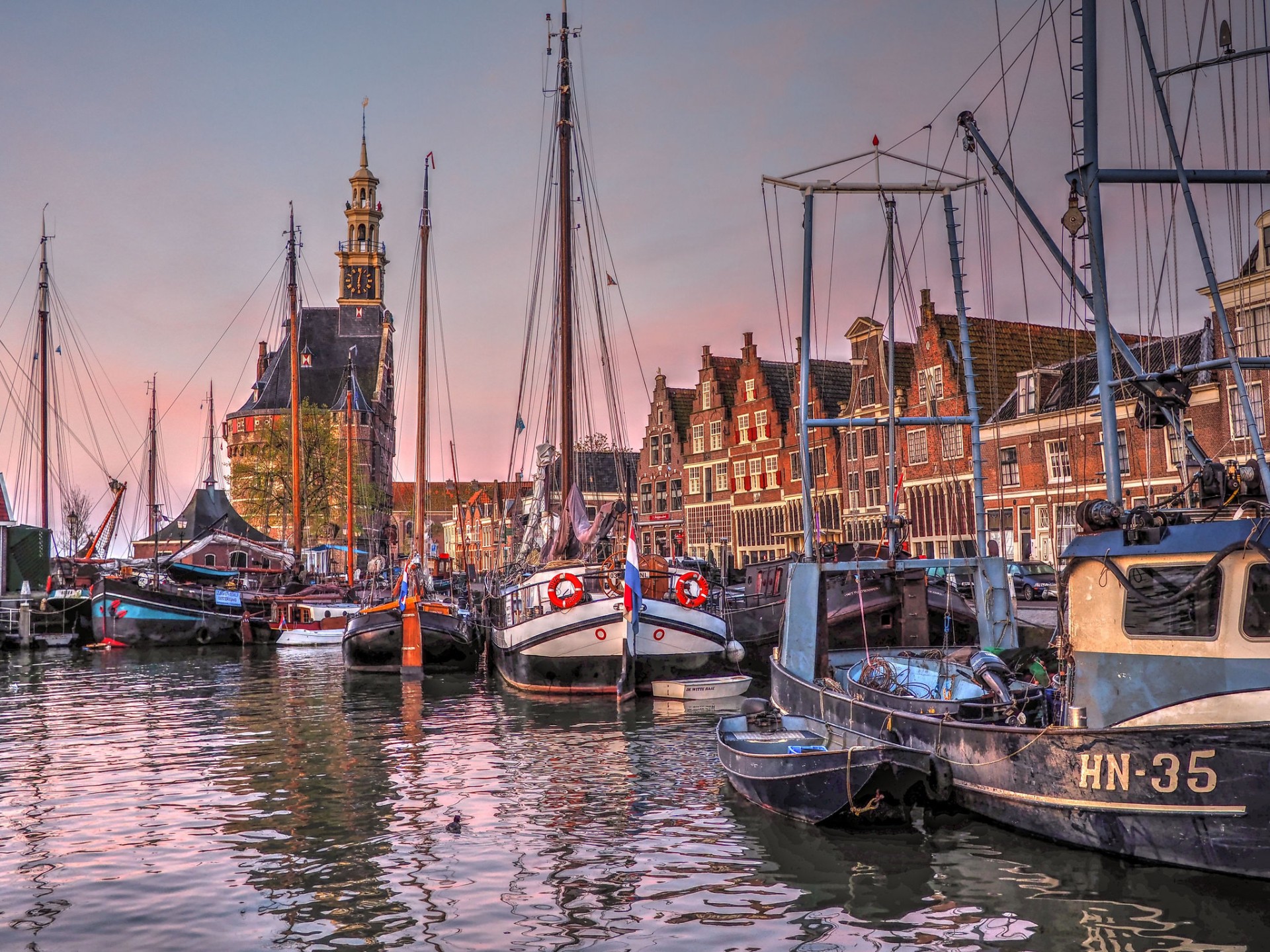
Depart Volendam by bike and follow the IJsselmeer coast to Edam, just a short distance from Volendam. The famous Edam cheese originated in this town. From here, continue following the coastline of the former South sea to Hoorn. “The Horn” in South America was named after this place, home to some of the most famous Dutch explorers, and you can still sense the rich maritime history in the town’s beautiful harbor.Day 4: Hoorn - Enkhuizen, 15 mi. (25 km)
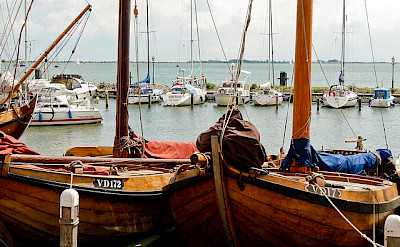
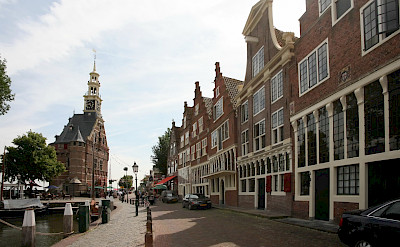
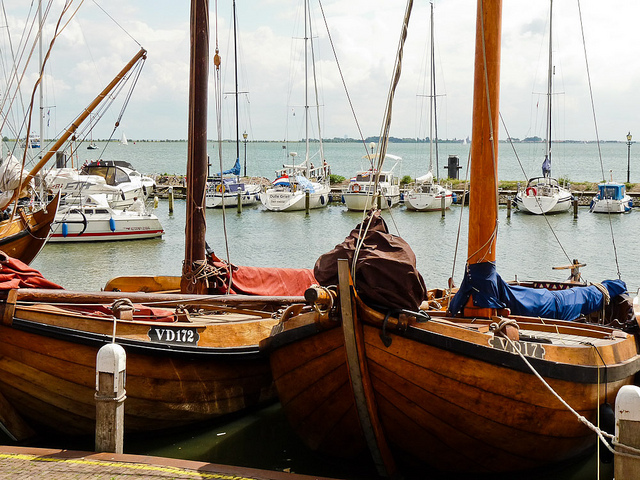
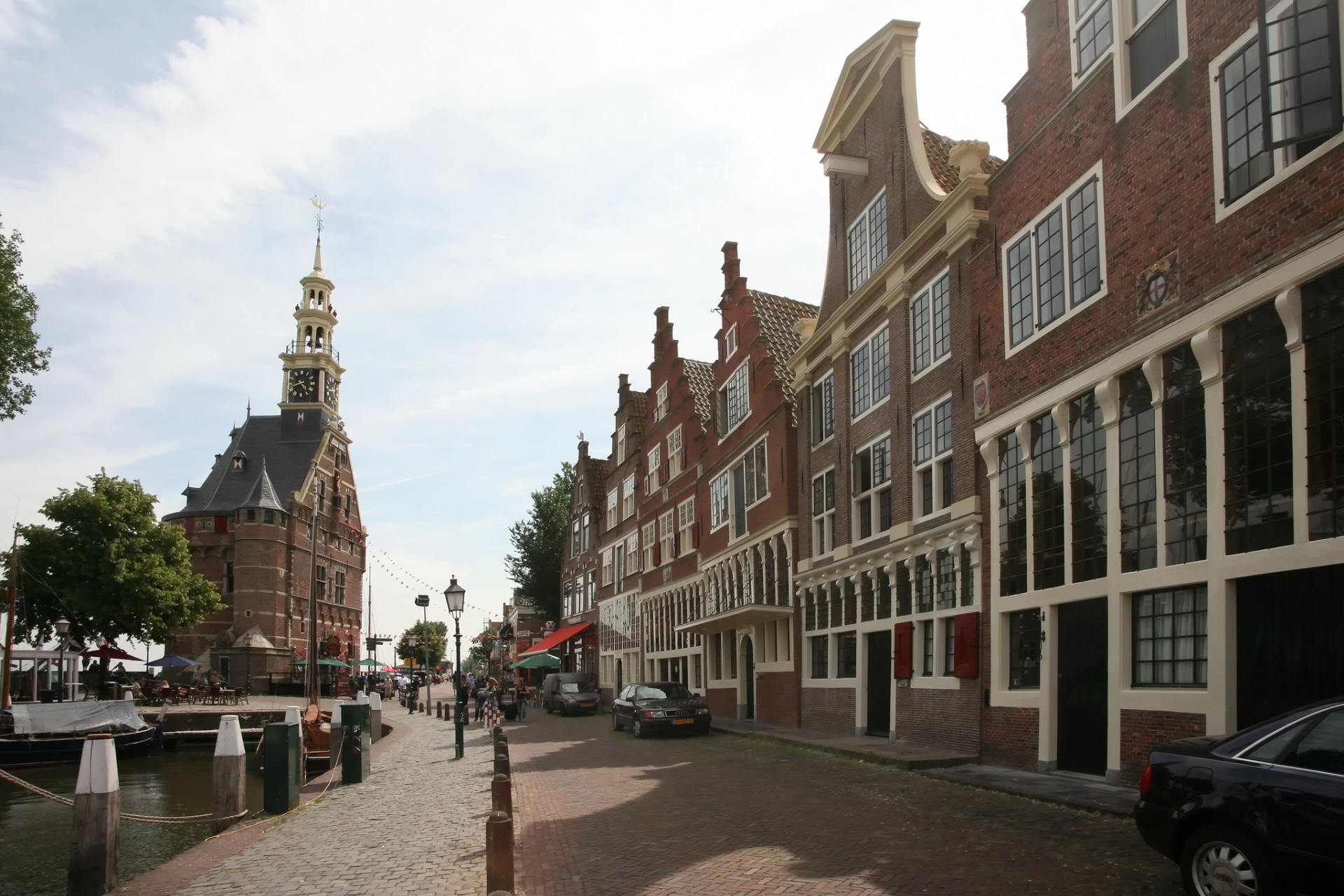
Leaving Hoorn your next stop is Enkhuizen, one of the bases of the VOC (United East India Company). Freight ships left for Indonesia and other exotic destinations from here, to purchase valuable trading products, therefore making the Dutch very prosperous in those days. The architecture of the old houses in Hoorn and Enkhuizen clearly reflects the wealth of its inhabitants in that period.Day 5: Enkhuizen - Medemblik, 12.5 mi. (20 km)
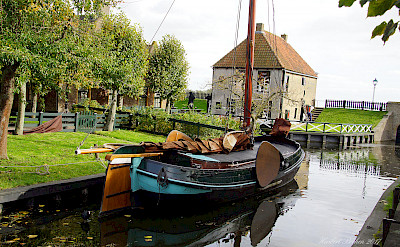
In the morning you will have time to visit the Zuiderzee Museum. This museum brings to life the stories of people who once lived on the shores of the Zuiderzee. You will see, hear, feel, taste, and smell everyday life around the Zuiderzee, as it was before the Afsluitdijk (the great IJsselmeer Barrier Dam) turned the former inland sea into what is now known as the IJsselmeer, in 1932. The Zuiderzee Museum focuses on the history, current situation, and future of the region. Themes such as water, crafts, and communities take center stage. These stories are visualized in the Outdoor Museum with its historic buildings, and in the Indoor Museum through thematic exhibitions.Comfortable cycle paths - just like on the rest of this tour - bring you from Enkhuizen to Medemblik, where you will spend the night.
Day 6: Medemblik - Den Oever - Den Helder, 12.5 mi. (20 km)
In the morning, cycle to Den Oever. Here is the beginning of the large dam that closed off Holland’s interior from the open sea. This 32 km long dam was constructed between 1927 and 1933 as a response to frequent flooding and the desire to create more land. A tremendous achievement in those days - because it was built mainly by hand. The Elodie will be waiting for you here and together sail to Den Helder, which is the hometown of the Dutch navy. Notice the many navy vessels while sailing into the harbor. Den Helder also contains a lovely open-air museum with some remarkable ships. Admission is free and after dinner, your guide will take you there for a walk, as it is very close to where the Elodie is moored.Day 7: Texel, cycling, 0 to 28 mi. (0 to 45 km)
Take the early morning ferry to Texel.Those that wish to do so can cycle around the island but today also offers an excellent opportunity to create your own itinerary. Your guide will take you to the seal center "Ecomare", the Nature Reserve "de Slufter" and the beach by "de Koog". There are many other interesting things to visit that do not require you to cycle long distances. For example, Jutters museum displaying a fine collection of rarities that have been found on the beach or fished out of the sea by the fishermen, the market in Den Burg, or the local brewery. At the end of the day, return to the Elodie.
Day 8: Den Helder - Alkmaar, 12.5 or 28 mi. (20 or 45 km)
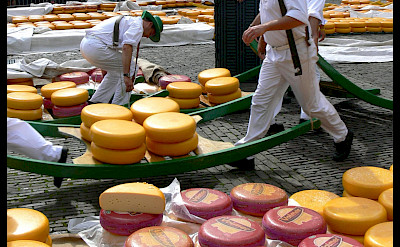
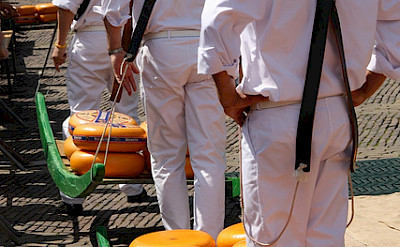
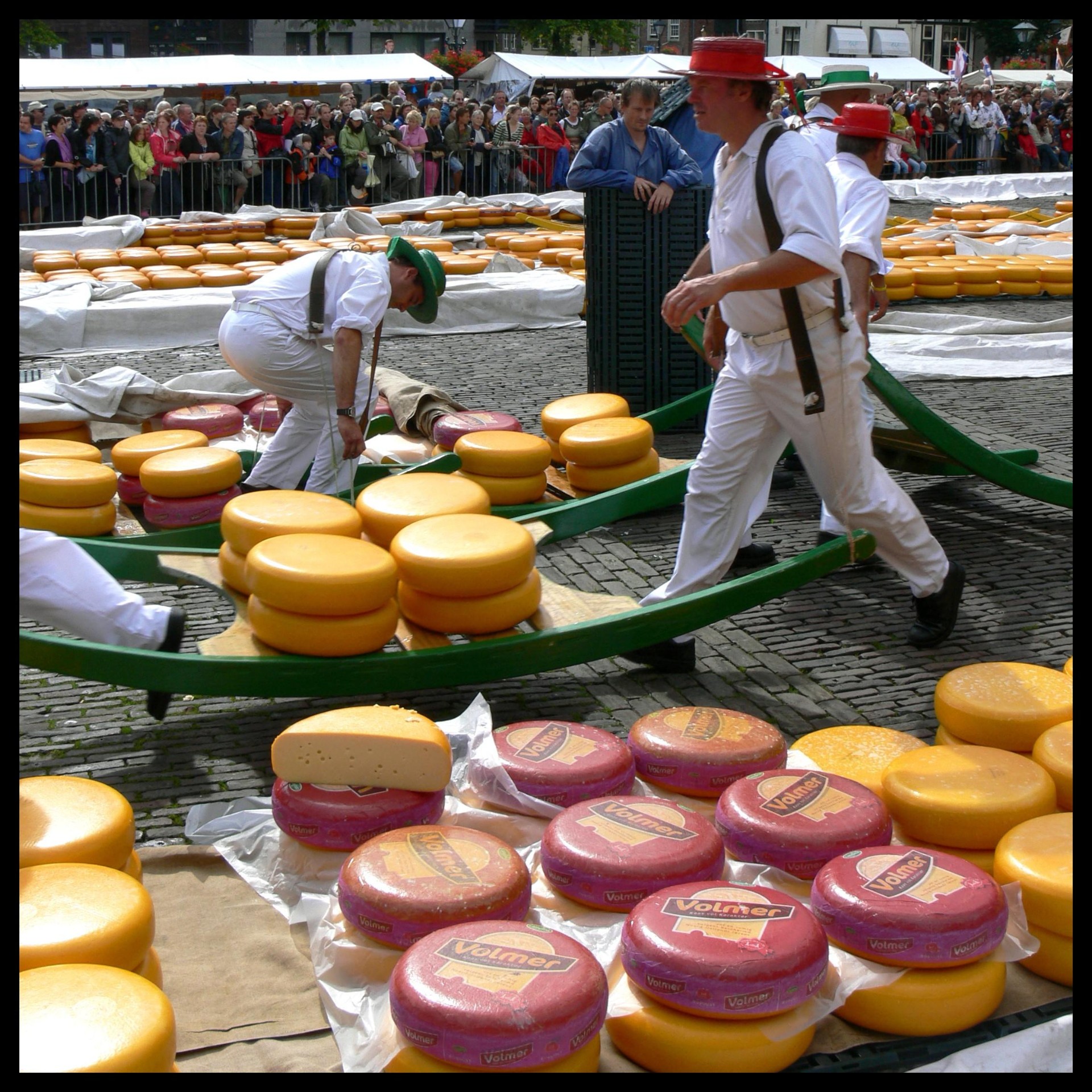
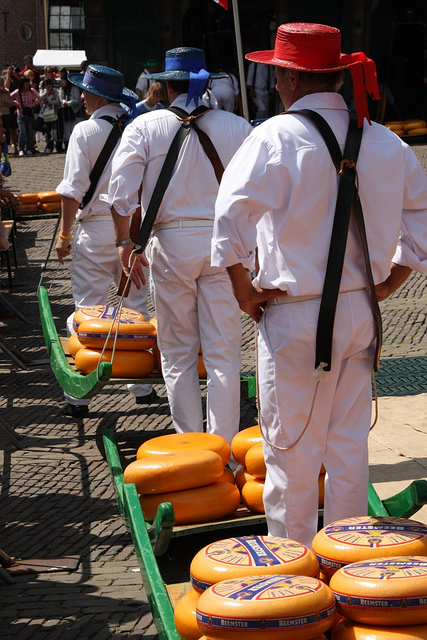
You can either start cycling from here or spend some more time on board and start at St Maartensvlotbrug, where you can join the others. You will continue the bike tour to resorts such as Schoorl, Bergen, and Groet, passing through an area of sand dunes - a beautiful, slightly hilly landscape. Today it’s possible to spend some time at the beach and even take a dive in the North sea. The Elodie awaits you in Alkmaar town center. After dinner, the guide takes you for a walk around this charming town, famous throughout the world for its cheese markets.Day 9: Alkmaar - Zaansche Schans - Haarlem, 15 to 28 mi. (25 or 45 km)
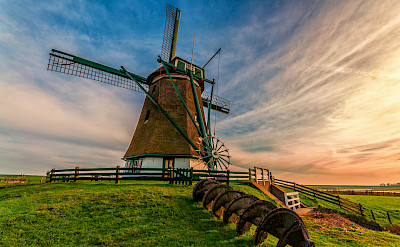
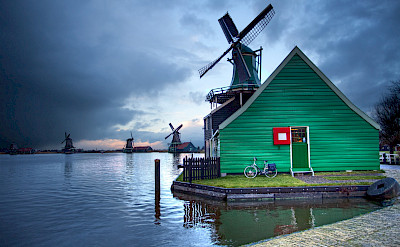
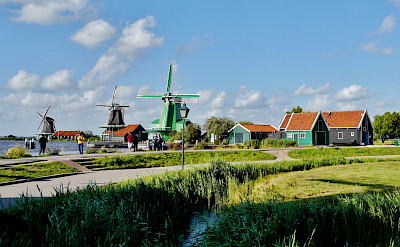
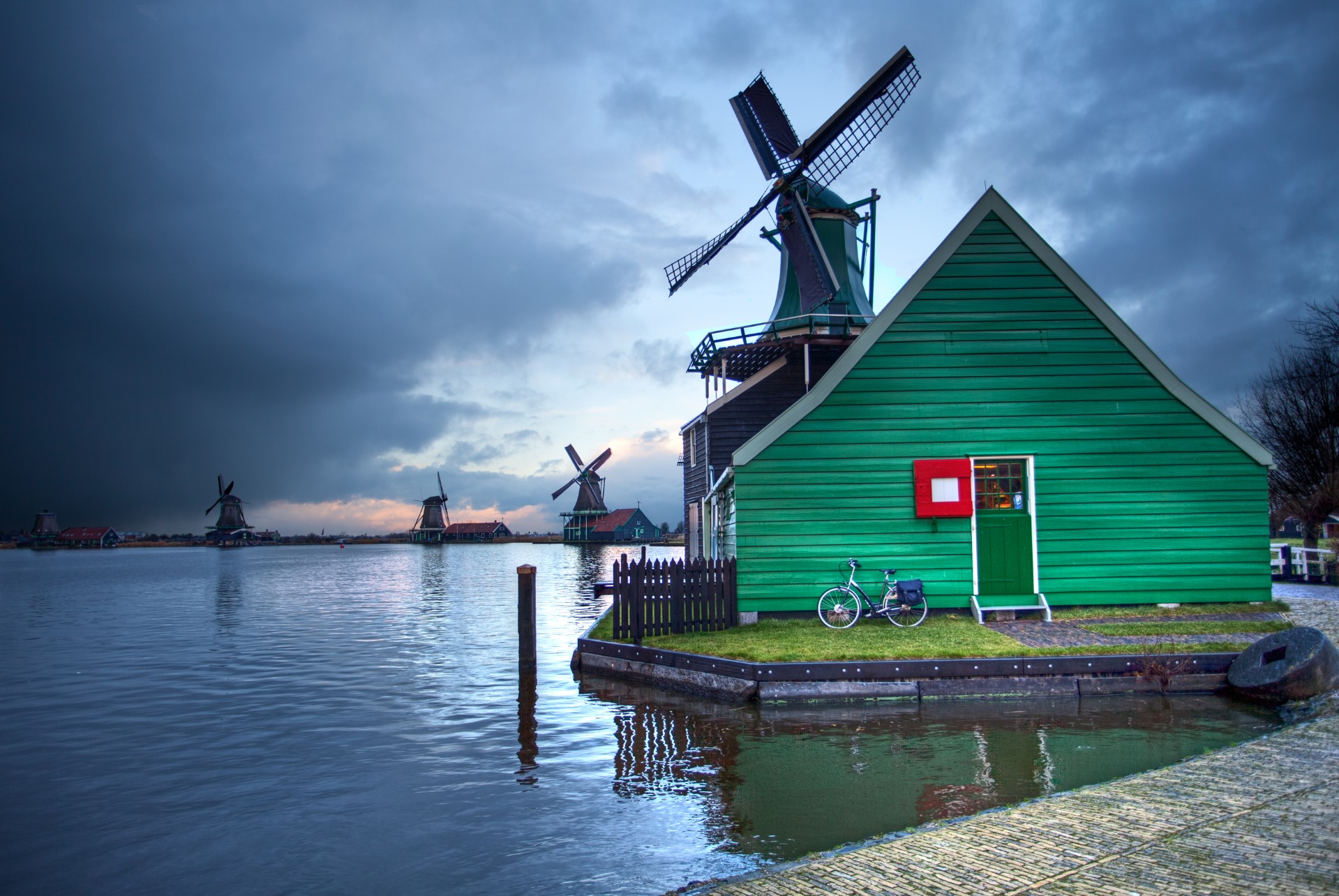
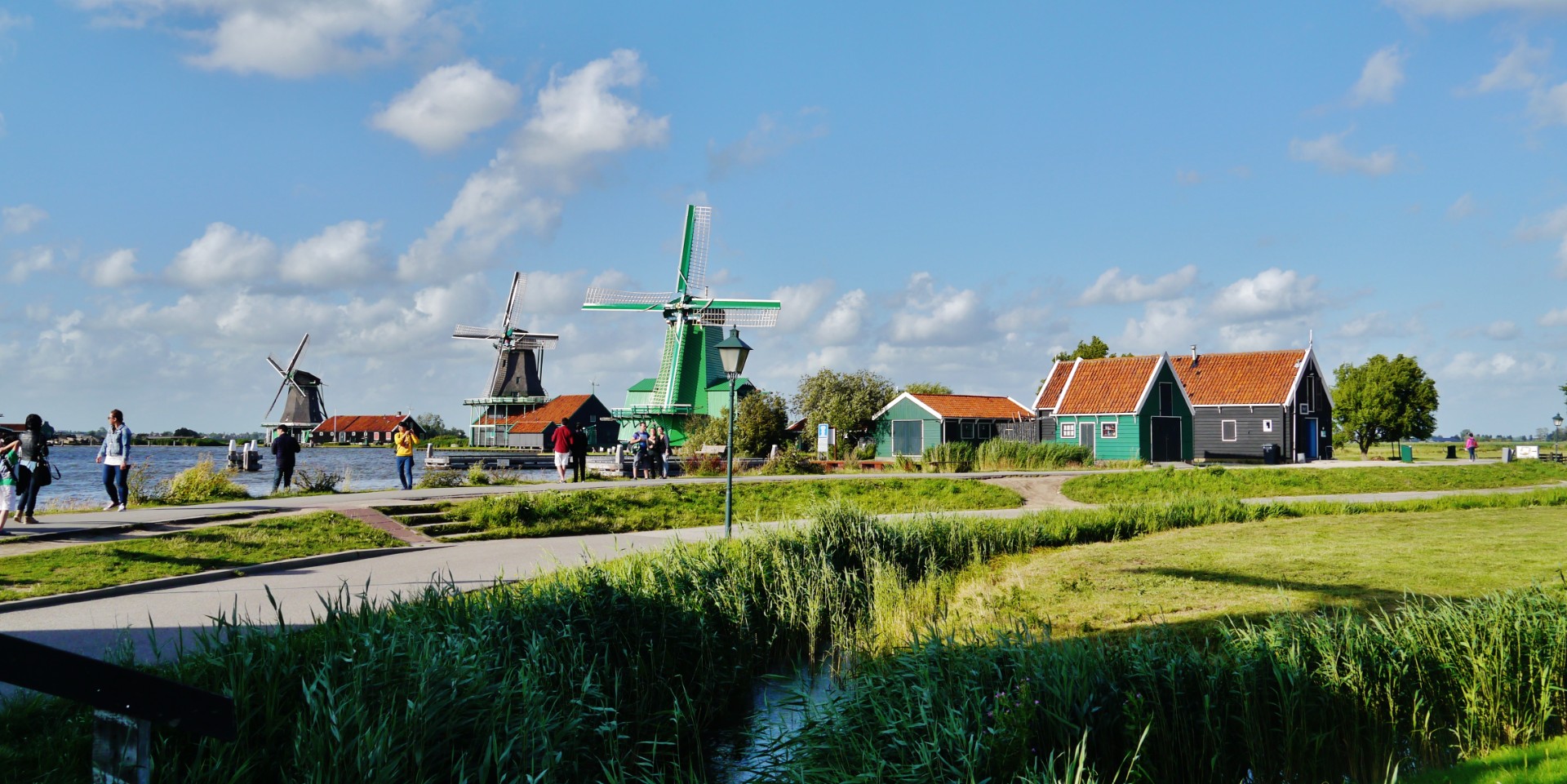
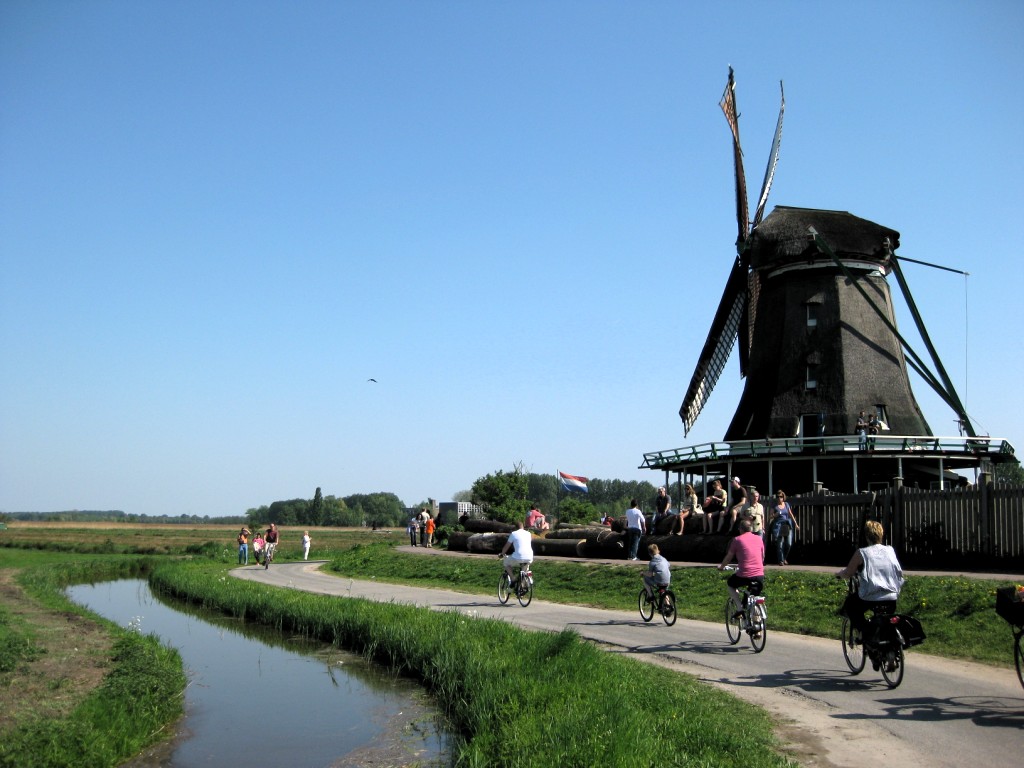
Today you experience the iconic windmills of Holland. In the morning, cycle to Graft and de Rijp, via Oterleek and Ursem, along the Eilandpolder. Then we take the ferry at Spijkerboor to cross one of the many canals of this wetland area, and we get to the "Zaansche Schans". There will be plenty of time for this open-air museum because there is a great deal to be seen. Often you'll be able to see the Zaansche mustard mill in action, and you can take home a jar of windmill-pressed mustard. For the experienced cyclists, there’s the option to cycle to Haarlem, but it’s also possible to stay on board and enjoy the boat tour.Day 10: Haarlem - Amsterdam, 3 or 15 miles (5 or 25 km)
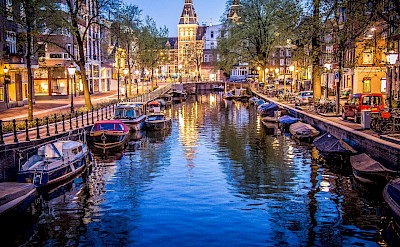
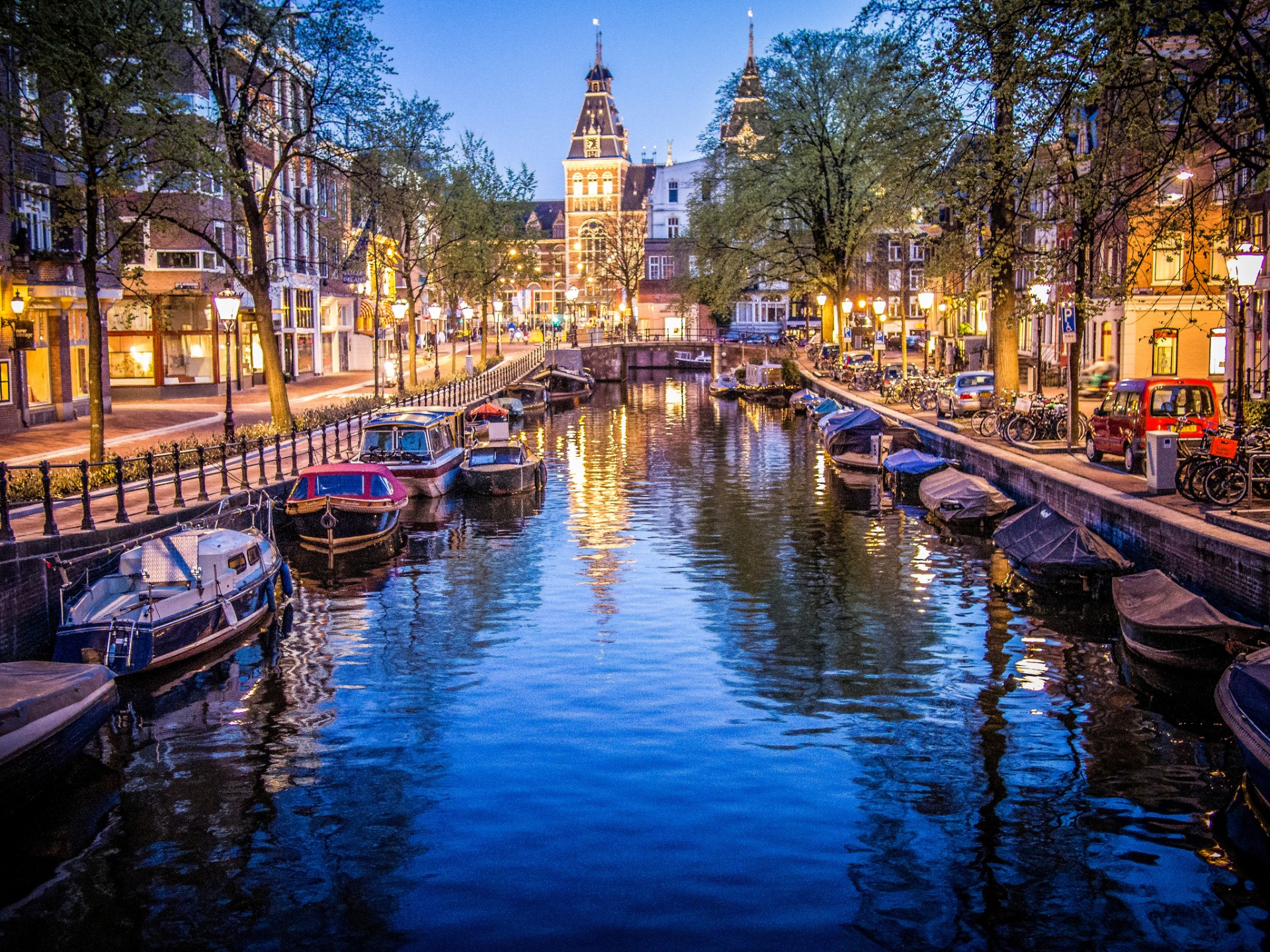
In the morning, cycle to Hans Brinker’s statue. Today you have the option of cycling to Amsterdam or you can stay on board and enjoy the boat ride. Amsterdam is certainly well worth exploring because of its many attractions. Recommended is a boat tour around the canals, the Van Gogh museum, and the Rijksmuseum. You may also want to simply savor the atmosphere and enjoy the colorful procession of people strolling by while sitting at a sidewalk café. In the evening you can choose where you'd like to dine from the many excellent eateries found in Amsterdam.Day 11: Amsterdam
Individual departure after breakfast.You can view all of our bike and boat tours or look at our featured bike trips, specials, and news.
Boats
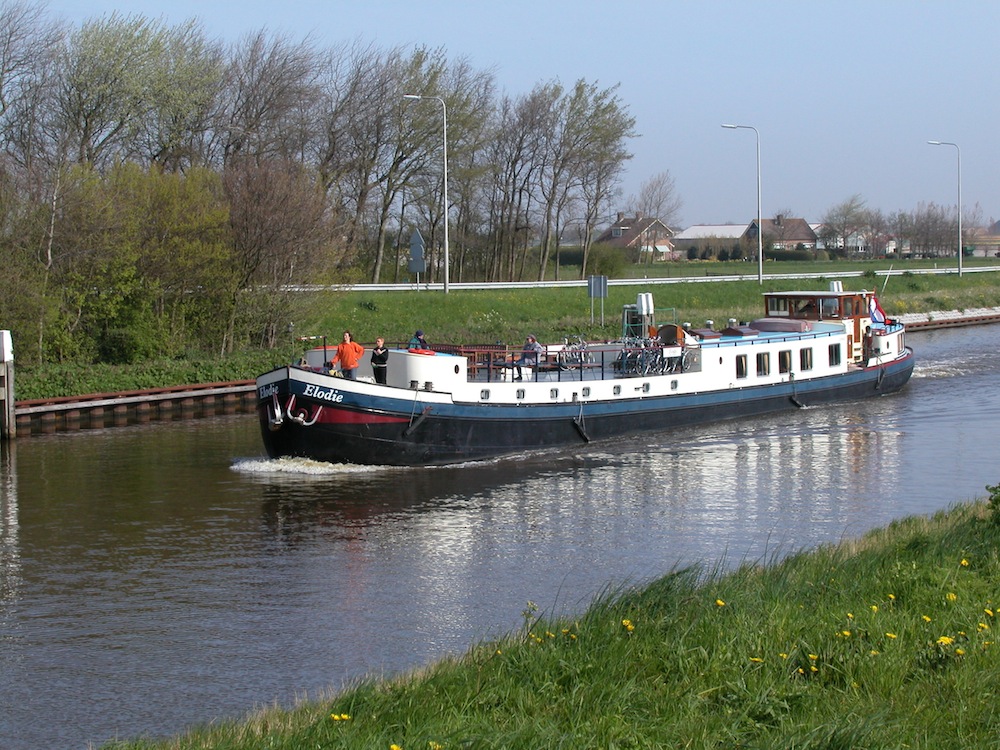
- Elodie
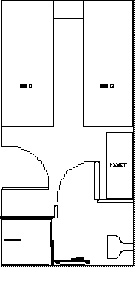
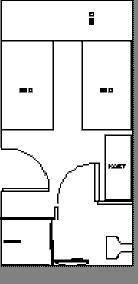
Premium Class Boat
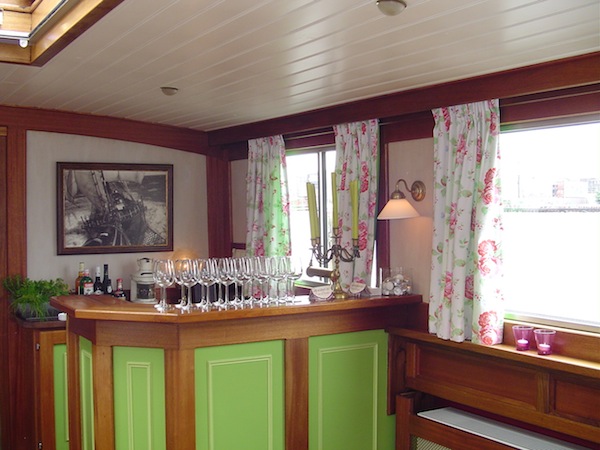
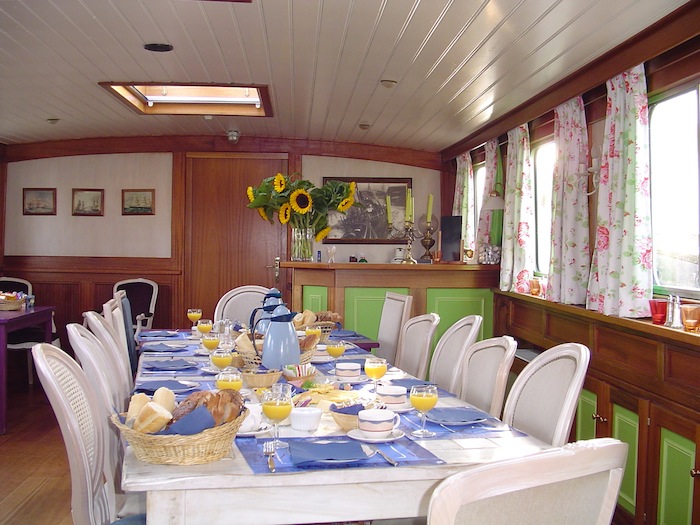
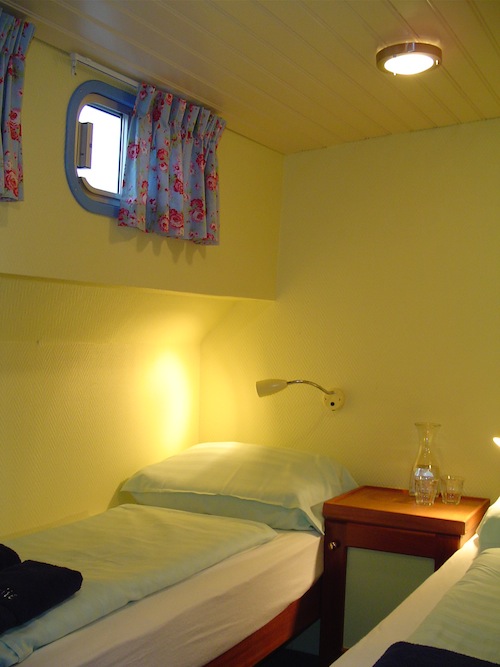
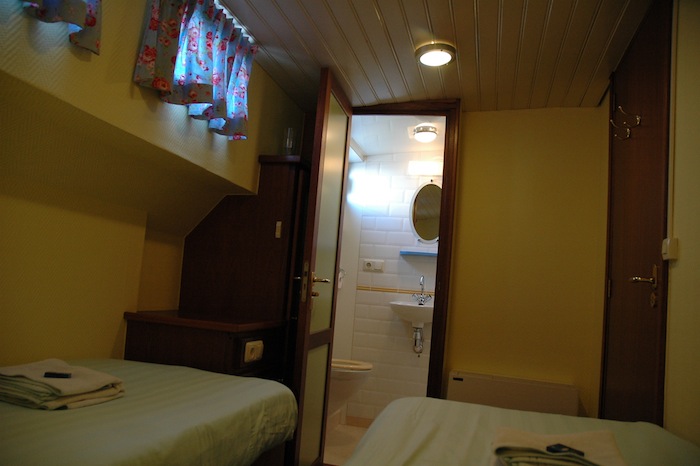
The Elodie was built in 1931 and has been completely refurbished into a comfortable boat for biking and boating. Everyone who has been on board says the same thing. There is just something special about this boat. Perhaps because it simply feels like home. It is nothing flashy but oh so comfortable. The common area of the Elodie is beautifully finished with various types of wood, has a number of small tables, a large reading table, and a comfortable sofa where everyone gathers before breakfast… Read More
Inclusions
What’s Included
- Accommodations for 10 nights on the premium class boat, the Elodie
- Breakfast, packed lunches, and 9 dinners
- Coffee and tea
- Daily room cleaning
- Hybrid touring bike with panniers, water bottle, and lock
- Ferry fares en route
- Harbor dues and tourist tax
- Multi-lingual tour guide
What’s Not Included
- Bar and table drinks
- Dinners on the last night in Amsterdam
- Helmets (available for rental)
- Gratuities
- Obligatory Bike Protection (see pricing)
- Trip Insurance
Dates & Pricing
Dates & Pricing
Premium Class Boat
Elodie
Saturday departures
July 4, July 15, July 25, and August 5, 2021Cabin type Twin Cabin $ 3340 £ 1740 $ 2,961 € 1985 kr 304329 ₪ 8164 ¥ 335412 Mex$ 36804 NZ$ 3648 NOK 23658 zł 8724 S$ 2950 kr 23433 $ 2,167 Twin cabin for single-use On request Extra Options
Electric bicycle $ 505 £ 263 $ 447 € 300 kr 45994 ₪ 1234 ¥ 50692 Mex$ 5562 NZ$ 551 NOK 3575 zł 1318 S$ 446 kr 3541 $ 328 Basic laundry service, payable onboard $ 17 £ 9 $ 15 € 10 kr 1533 ₪ 41 ¥ 1690 Mex$ 185 NZ$ 18 NOK 119 zł 44 S$ 15 kr 118 $ 11 Mandatory bike protection $ 25 £ 13 $ 22 € 15 kr 2300 ₪ 62 ¥ 2535 Mex$ 278 NZ$ 28 NOK 179 zł 66 S$ 22 kr 177 $ 16 Special dietary restrictions and requests (vegan not possible), payable on board, per day $ 8 £ 4 $ 7 € 5 kr 767 ₪ 21 ¥ 845 Mex$ 93 NZ$ 9 NOK 60 zł 22 S$ 7 kr 59 $ 5 Please Note
- Rates are per person, based on double occupancy
- Tour prices are based on the fuel costs at time prices are set, often months or years in advance. In rare cases, additional fees may apply for fuel cost increases.
- Information to read before you book
- We recommend purchasing trip insurance
- Please see our FAQ
Extra Info
Skill Level — Easy
This tour is rated as an easy, guided bike and boat tour with average daily distances between 5 and 34 miles ( 8 and 55 km). On some days it is possible to do half-day tours.
Airport Info
Fly to Amsterdam.
Local Travel
Take a short train ride (15-20 mins) from Amsterdam Schiphol airport to Amsterdam Central, then short walk or taxi ride to the boat.
Climate
Holland is near or below sea level and experiences a Maritime climate influenced by the North Sea and the Atlantic Ocean. Always bring full rain gear. We recommend that you check local conditions just prior to arrival.
Day of Rest
You can always stay on board and sail to the next stop.
Important to know
Travel Documents
It is each traveler's responsibility to ensure that you are in compliance with the country or countries you plan to visit. This includes and is not limited to passport validity, visa requirements, and acquisition, blank passport pages required for your destination (s), etc.
US citizens: A good website to research the requirements of the Schengen Agreement and entry into other countries is travel.state.gov.
Non-EU and EU residents: Please research the requirements of your country of residence for international travel and your destination country or countries.
*Important note: Please check on the European Travel Information and Authorization System (ETIAS) status as once implemented, this will be required to visit any of the 26 Schengen-member countries for tourism, business, medical, or transit. This is an additional check on security rather than a visa.Tour Operator
This tour is run by Mirjam and Michel Meeuwessen.
We value the strong relationship we have with our local partners and the services we provide.
We are not a broker.
We do not inflate tour prices.
We are simply travelers helping travelers.Would you like to learn more About Us? How about What Makes Us Different than other companies?
Photos
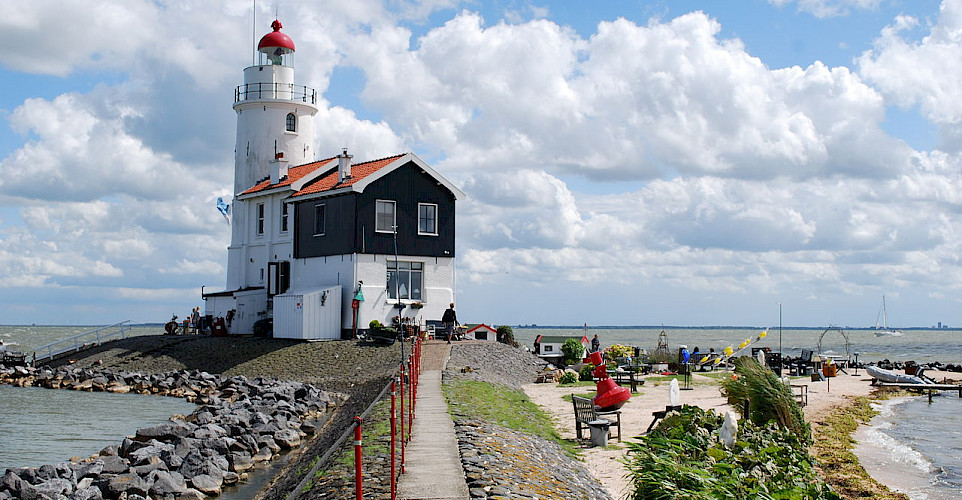
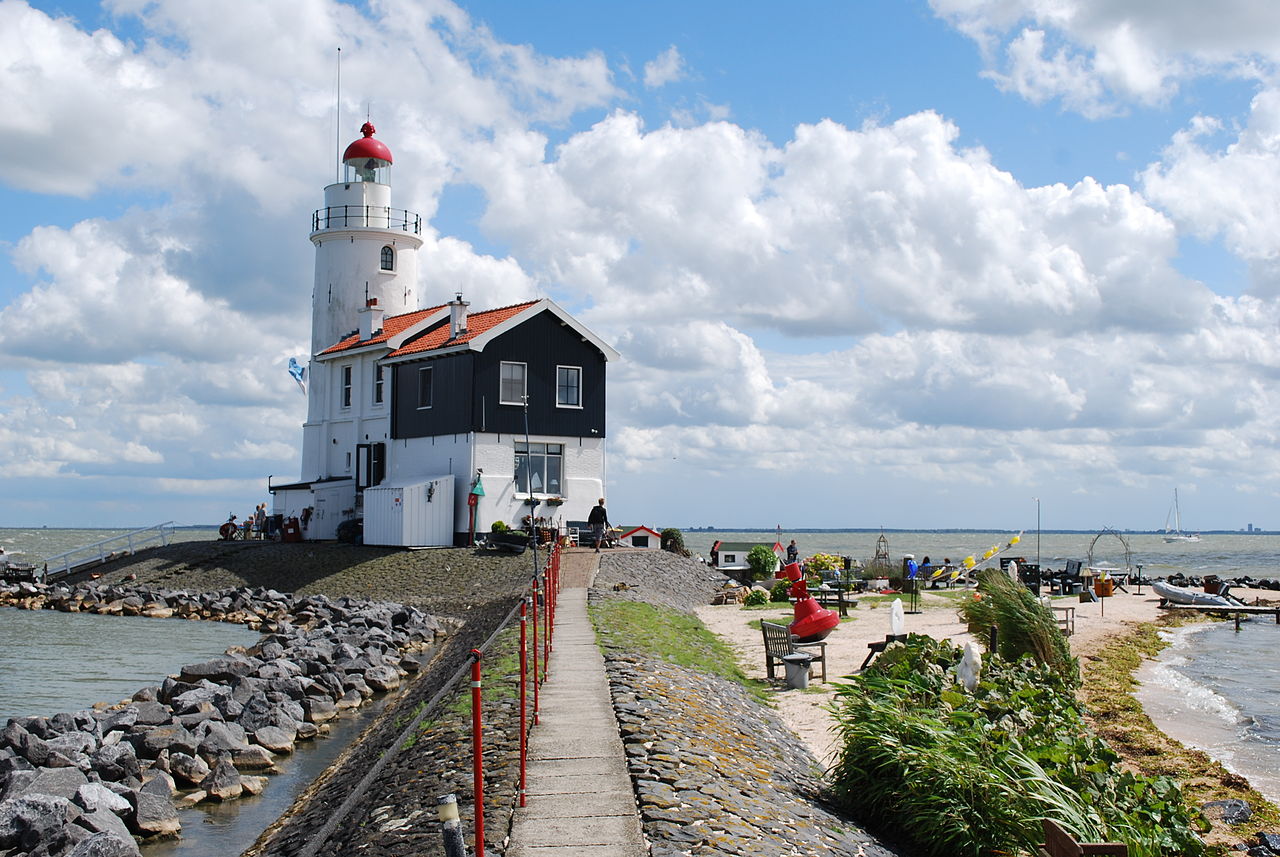
![Lighthouse in Marken, North Holland, the Netherlands. CC:Rob Koster]()
![Texel, part of the West Frisian Islands in the Wadden Sea. Flickr:Johan Wieland]()
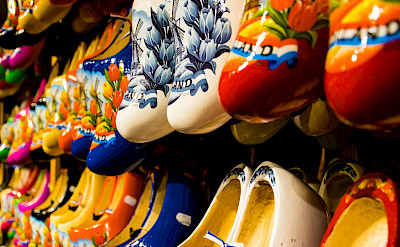
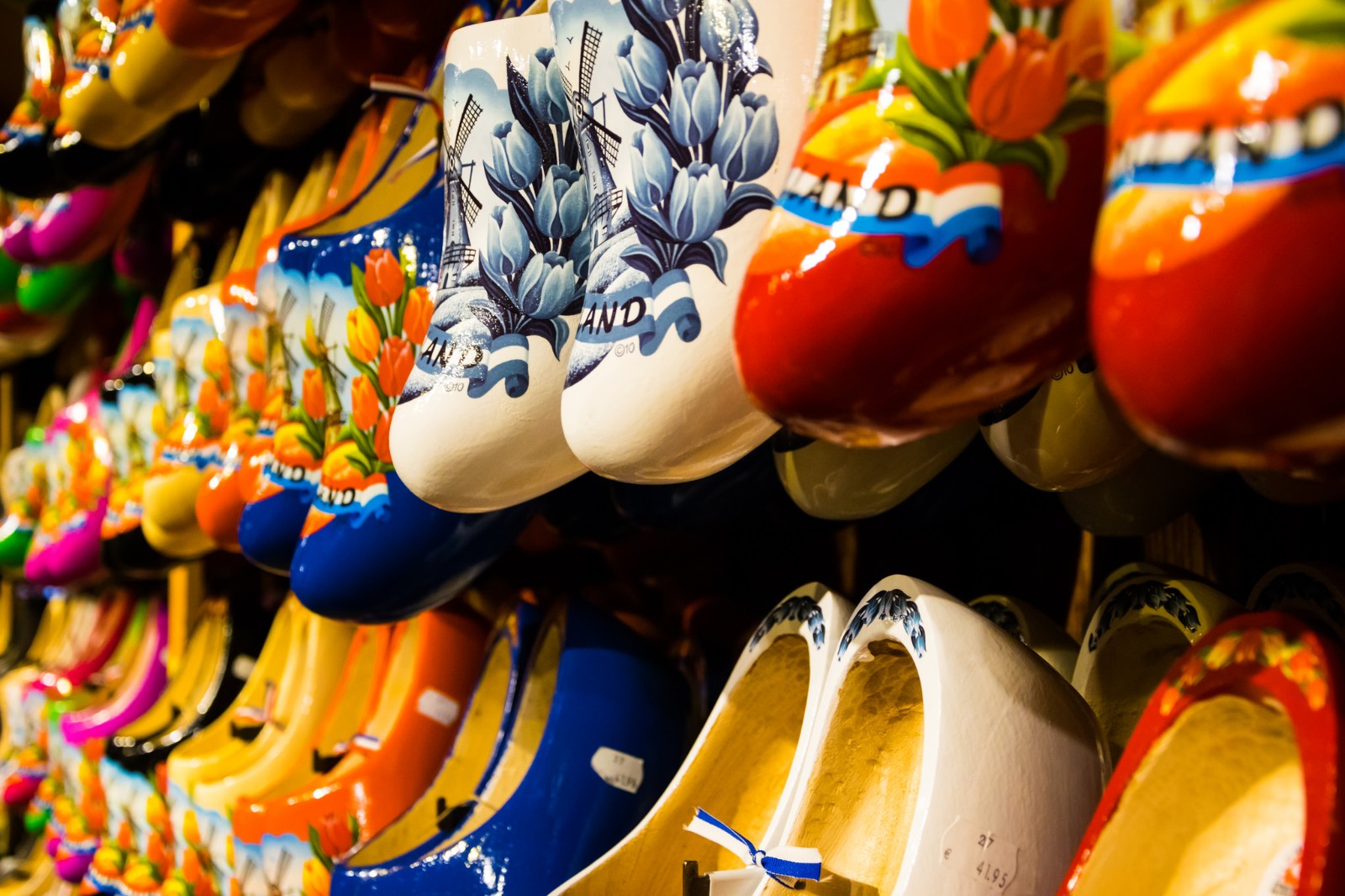
![Klompen for sale in the Netherlands. Flickr:Zicario van Aalderen]()
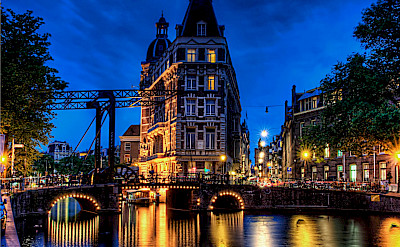
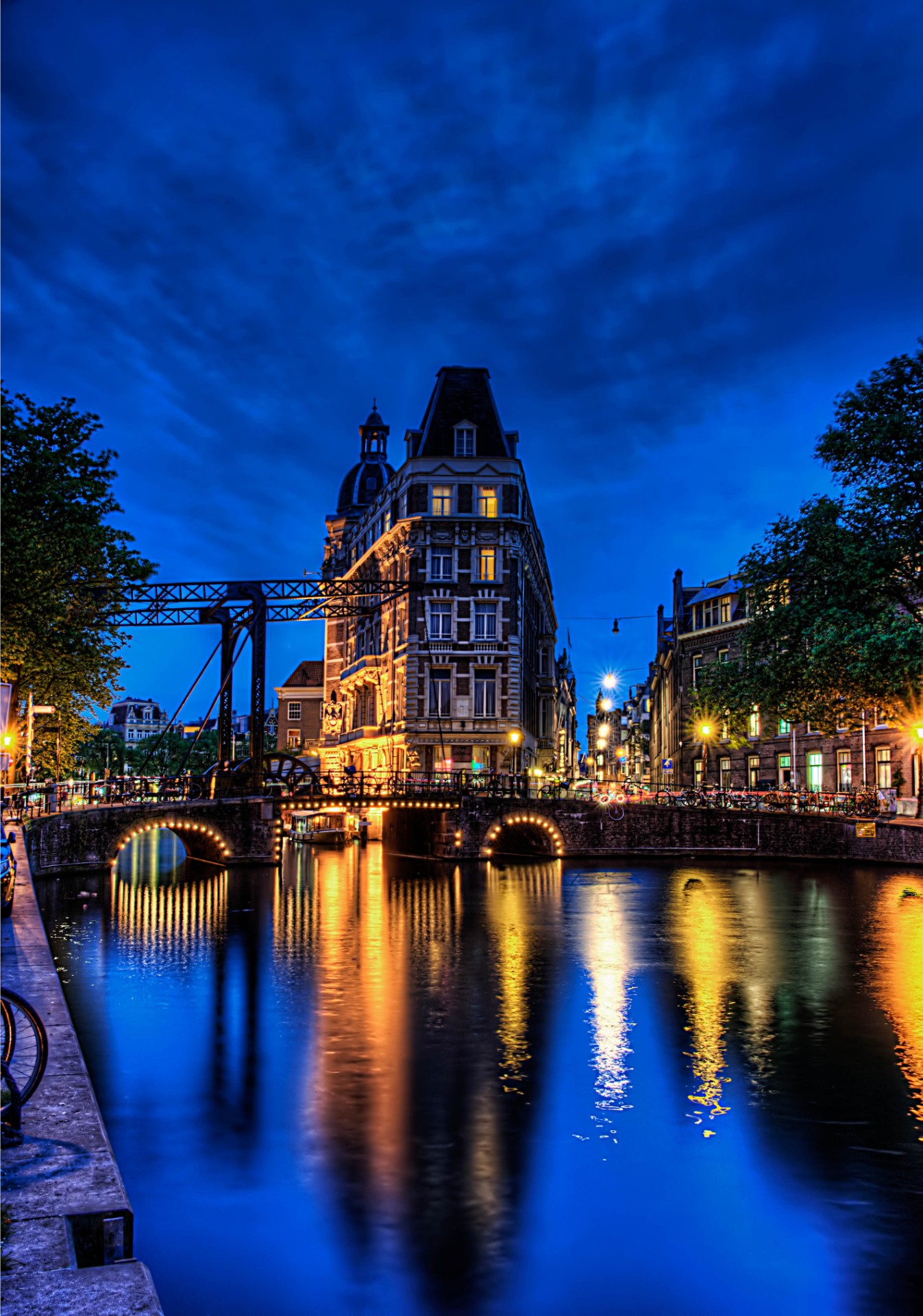
![Amsterdam, North Holland, the Netherlands. Flickr:Elyktra]()
![Amsterdam's Grachtengordel is a UNESCO site. CC:Martin Furtshegger]()
![Biking on Texel in the Wadden Sea, the Netherlands. Flickr:Johan Wieland]()
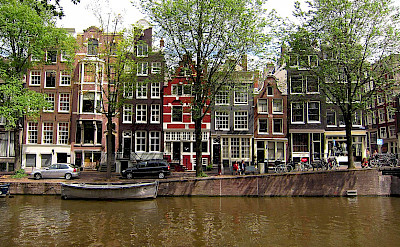
![Canals & boats in Amsterdam, North Holland, the Netherlands. Flickr:Sergey Galyonkin]()
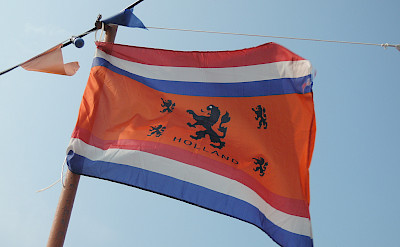
![Flag of Marken, North Holland, the Netherlands. Flickr:Farah Tsai]()
![Hoorn, North Holland, the Netherlands. Flickr:b k]()
![Zaanse Schans near Zaandam, the Netherlands. Flickr:Anne Dirkse]()
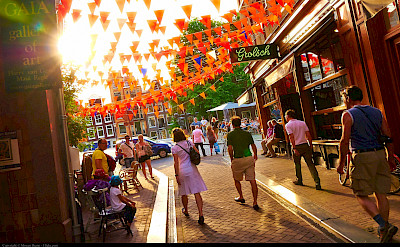
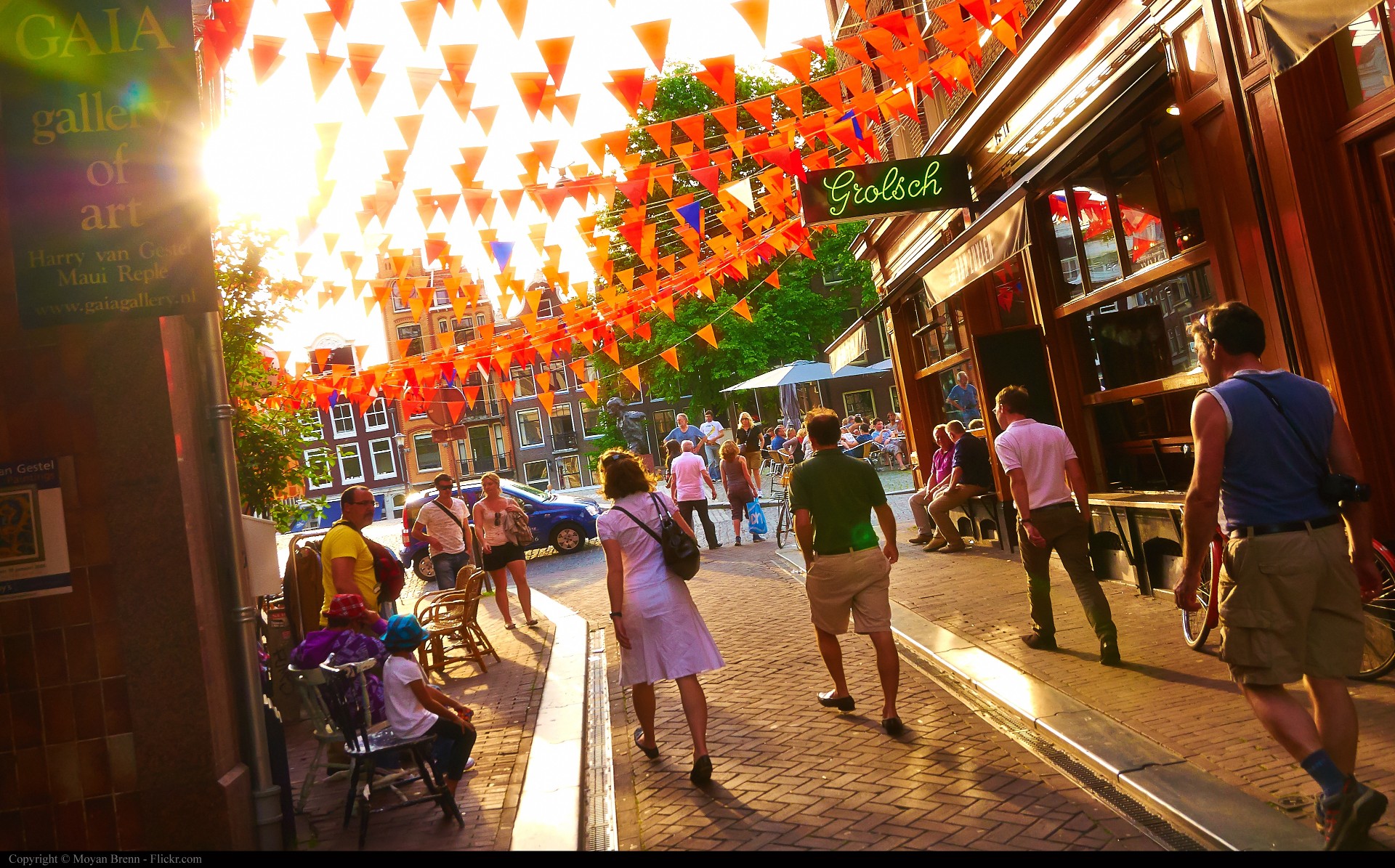
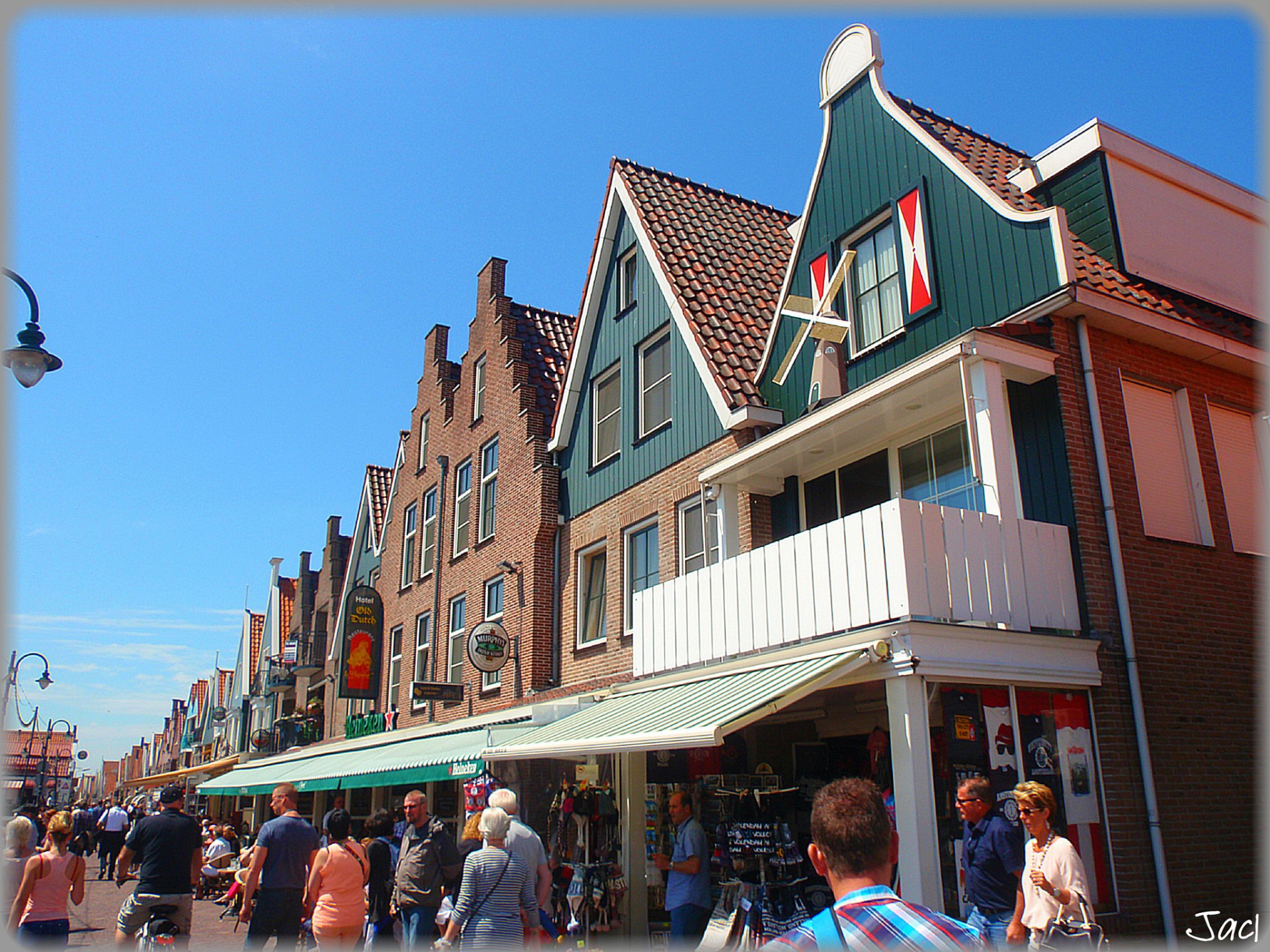
![Summertime in Amsterdam, North Holland, the Netherlands. Flickr:Moyan Brenn]()
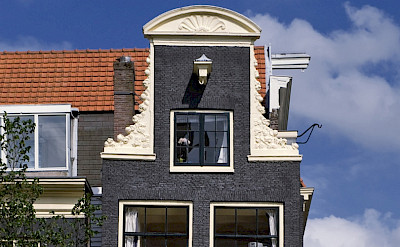
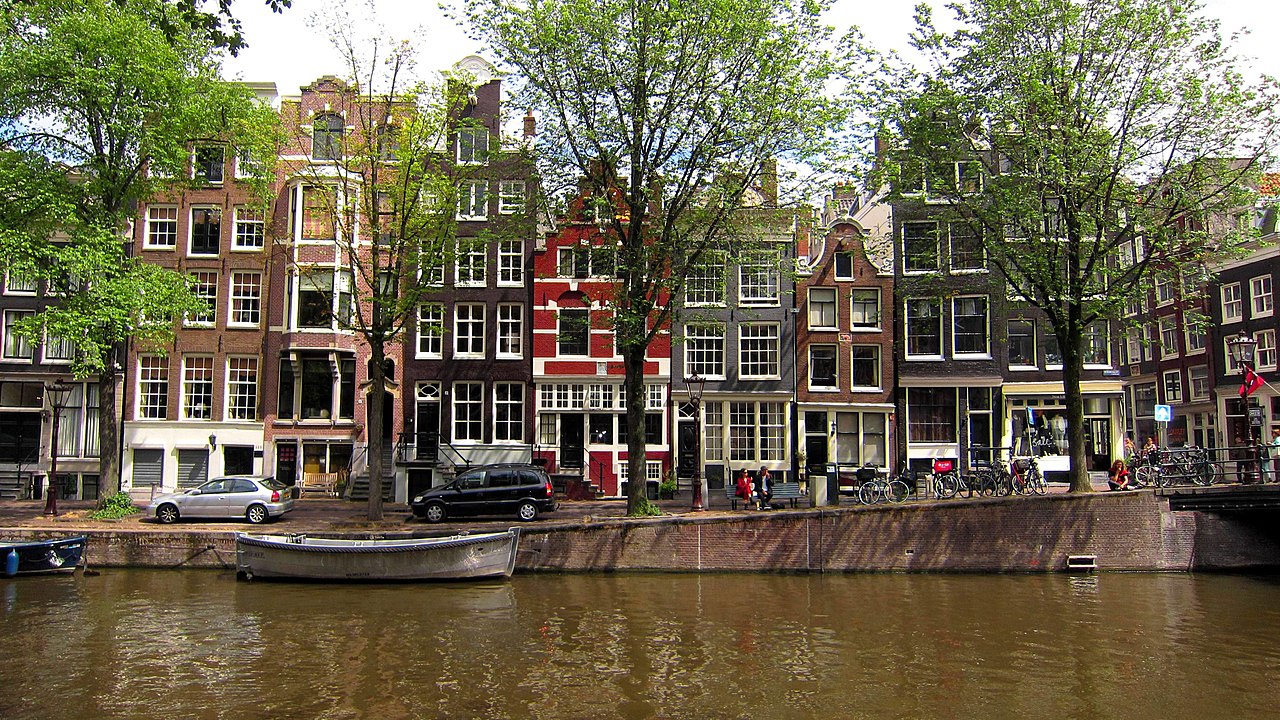
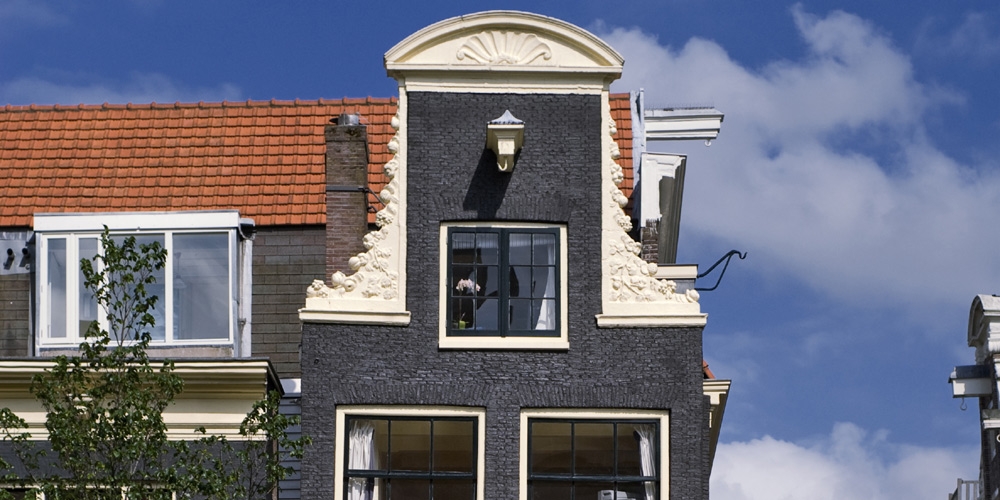
![Beautiful gables in Amsterdam - Prinsengracht. ©Netherlands Board of Tourism.]()
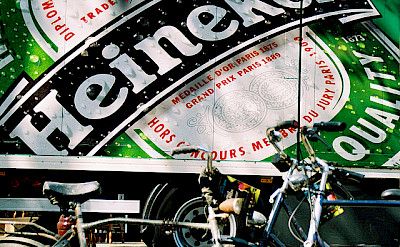
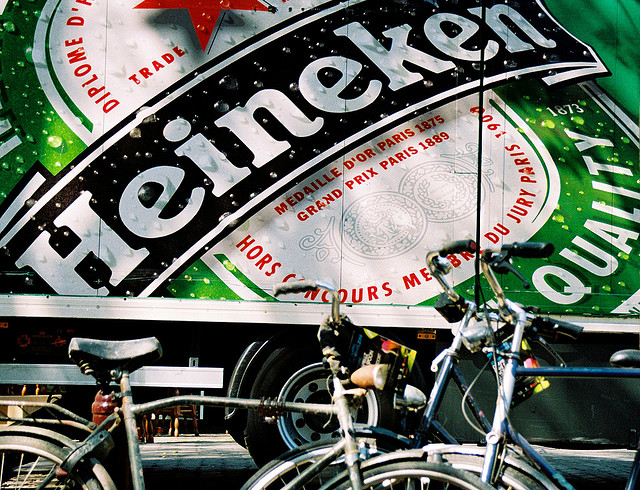
![Heinekens in Holland! Flickr:DainoFl]()
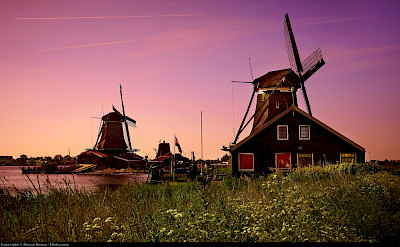
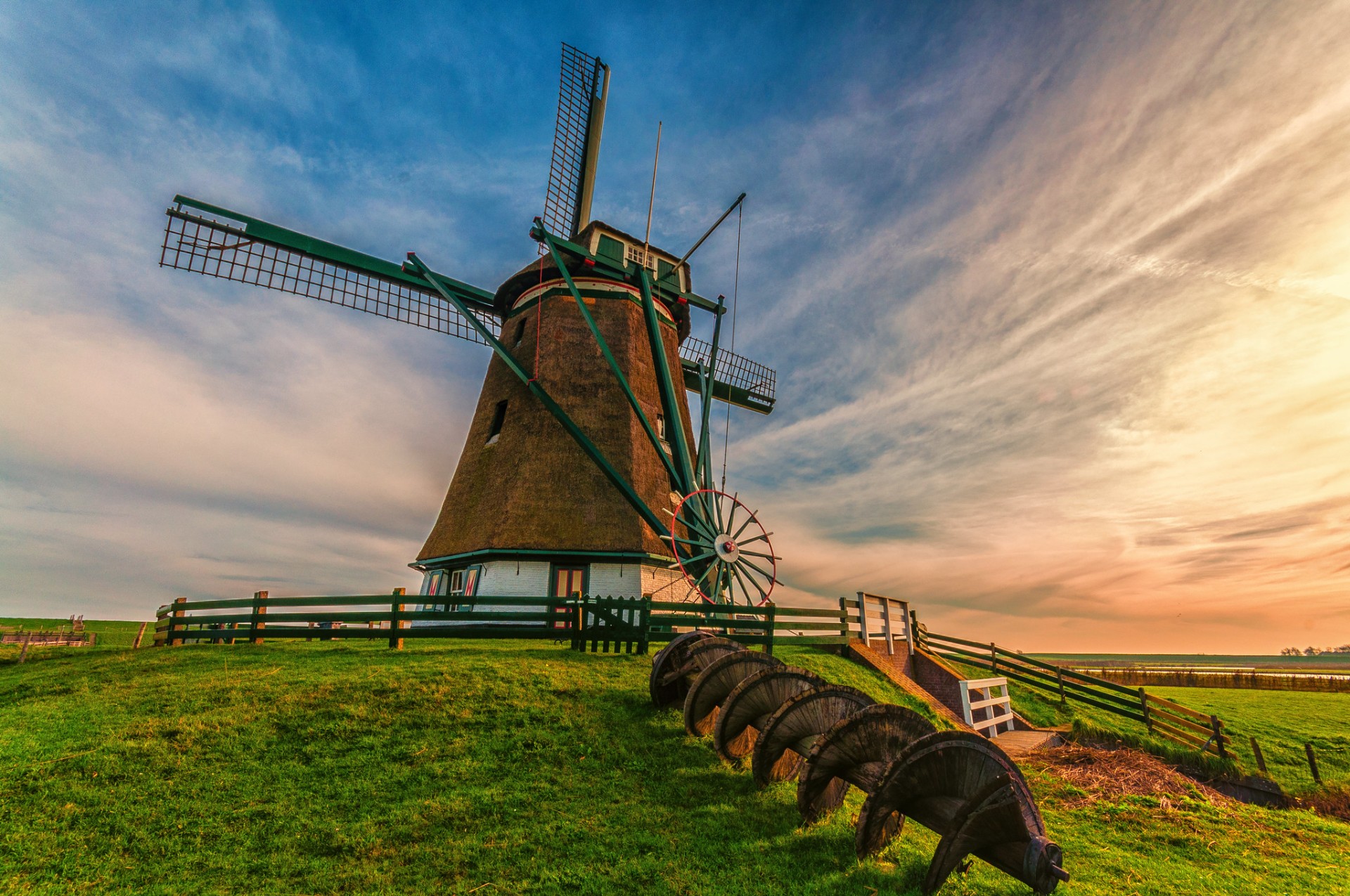
![Windmills in the Zaanse Schans, Zaandam. Flickr:Moyan Brenn]()
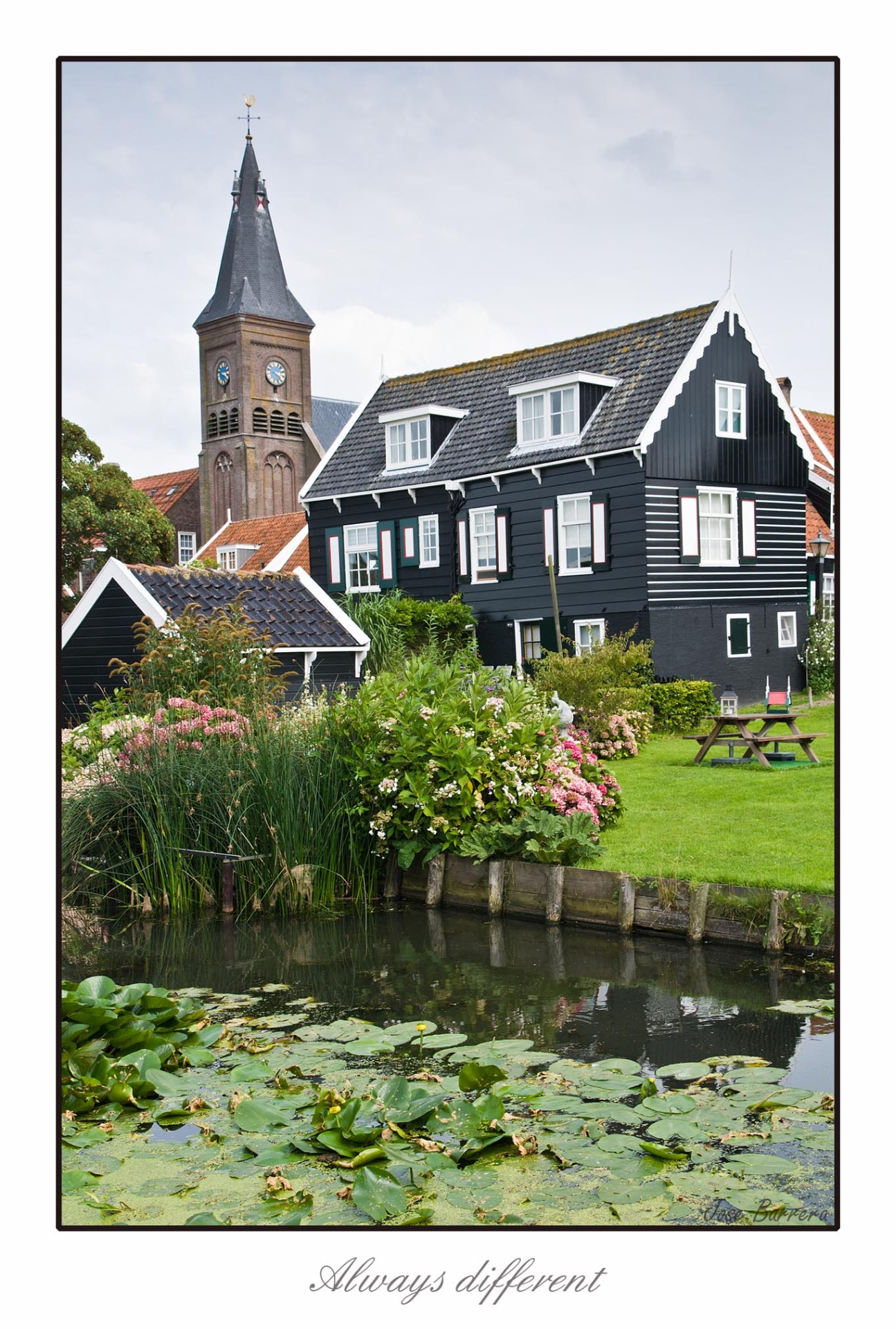
![Marken, North Holland, the Netherlands. Flickr:Jose Maria Barrera Cabanas]()
![The famous cheese market in Alkmaar, North Holland, the Netherlands. Flickr:Manuel]()
![Volendam, Overijssel, the Netherlands. Flickr:Esteban Luis Cabrerasan]()
![Biking at the Zaanse Schans in Holland. CC:Zairon]()
![Great architecture in Hoorn, North Holland, the Netherlands. Flickr:bert knottenbeld]()
![Enkhuizen, North Holland, the Netherlands. Flickr:Arend]()
![Biking in Volendam, Overijssel, the Netherlands. Flickr:Jose A.]()
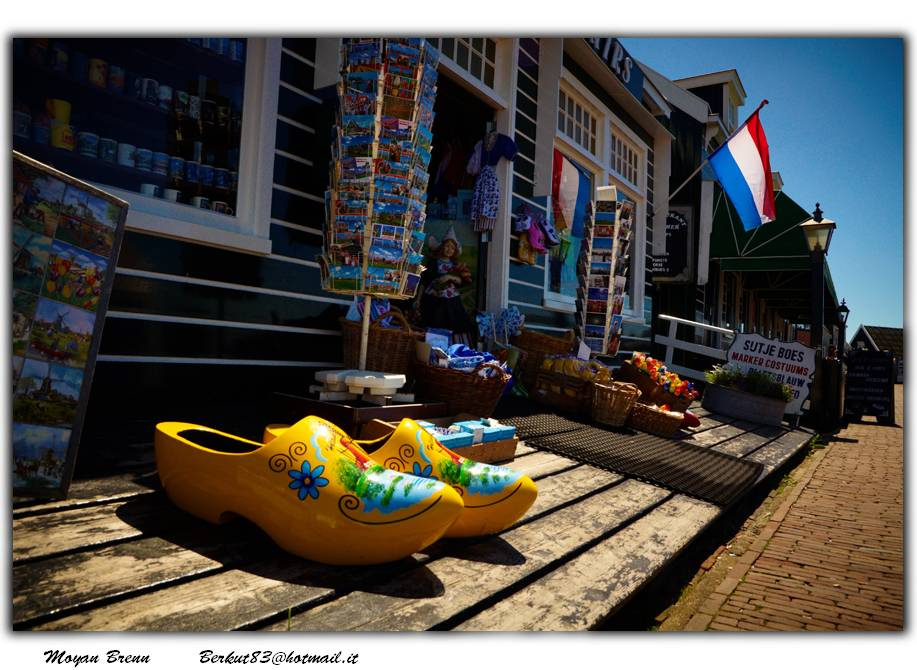
![Souvenir shop with "klompen" in Holland. Flickr:Moyan Brenn]()
![Volendam, Overijssel, the Netherlands. Flickr:Jose A.]()
![Dutch food in Amsterdam. Flickr:SallyB2]()
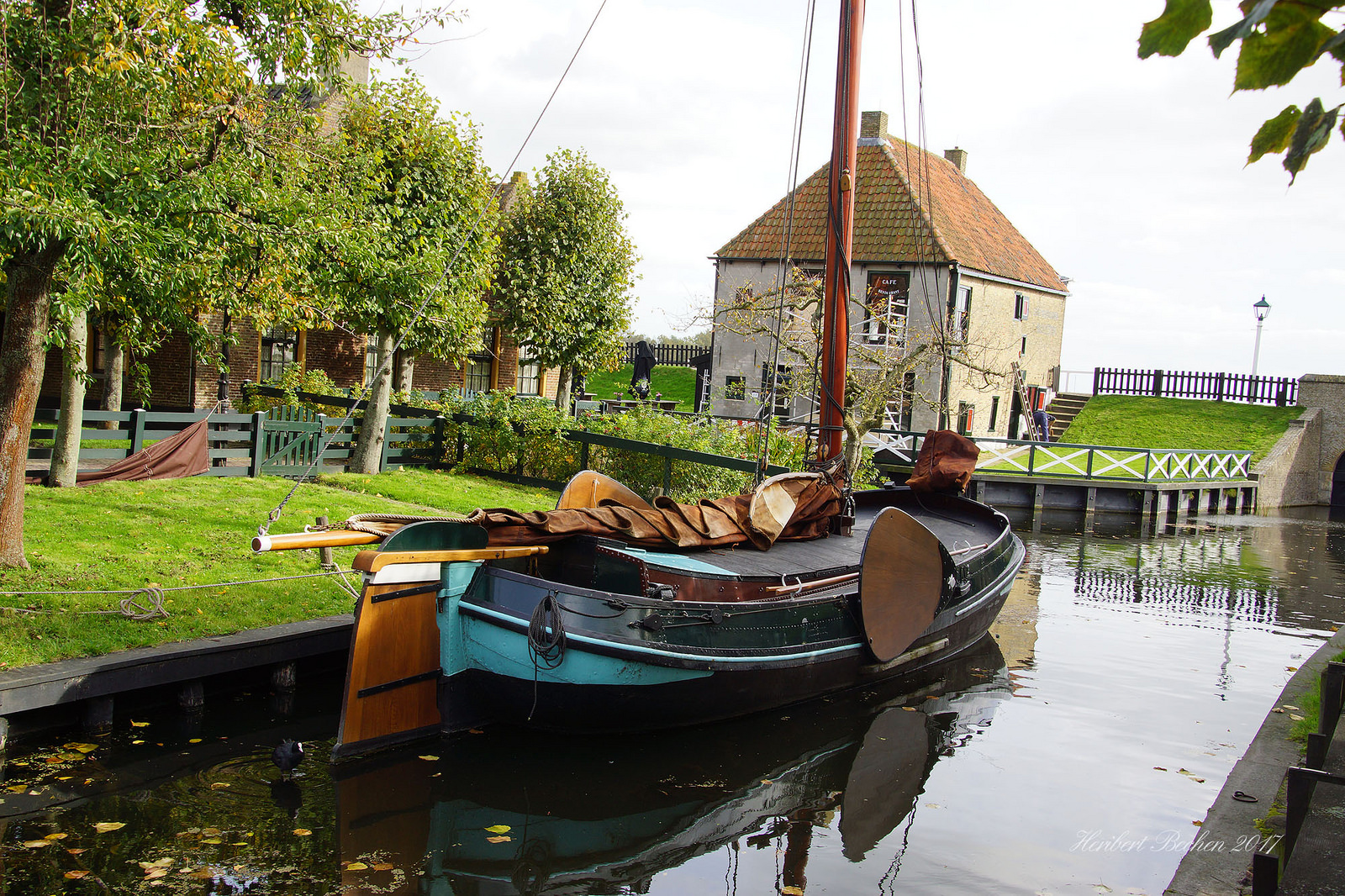
![Enkhuizen, North Holland, the Netherlands. Flickr:Heribert Bechen]()
![The famous cheese market in Alkmaar, North Holland, the Netherlands. Flickr:Javier Lastras]()
![Flat biking in the Netherlands. Flickr:Iorek7z]()
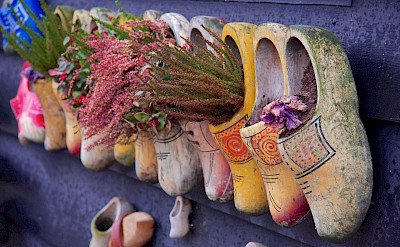
![Klompen for decoration on the Zaanse Schans, the Netherlands. Flickr:Mario Sanchez Prada]()
Reviews
Mike R.
6 years agoVerified Reviewer
Teryl D.
6 years agoVerified Reviewer
S. Littlefield
8 years agoVerified Reviewer




Tripsite Customer Reviews
Mike R.
6 years ago
Verified Reviewer
Teryl D.
6 years ago
Verified Reviewer
Related Tours
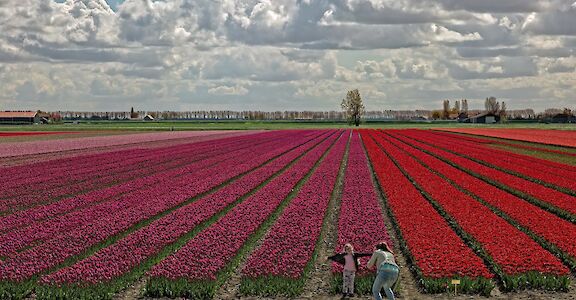
Easy Bike + Boat Tour in Netherlands
On this bike and boat tour in Holland, you will discover the "Groene Hart" or Green Heart of the country, a sparsely populated rural area surrounded by cities such as Amsterdam and Rotterdam. This is…