

Holland Southern Tulip Tour
Netherlands Bike + Boat Tours
Cycle Holland’s most beautiful cities during the Tulip Season!
- Tour Type
- Skill Level
- Length8 days
- Prices from€1290 Rates
Overview
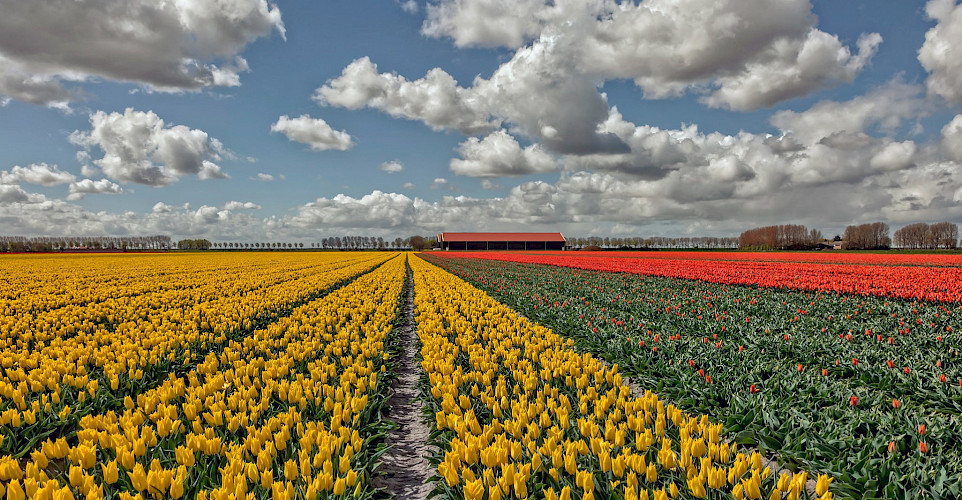
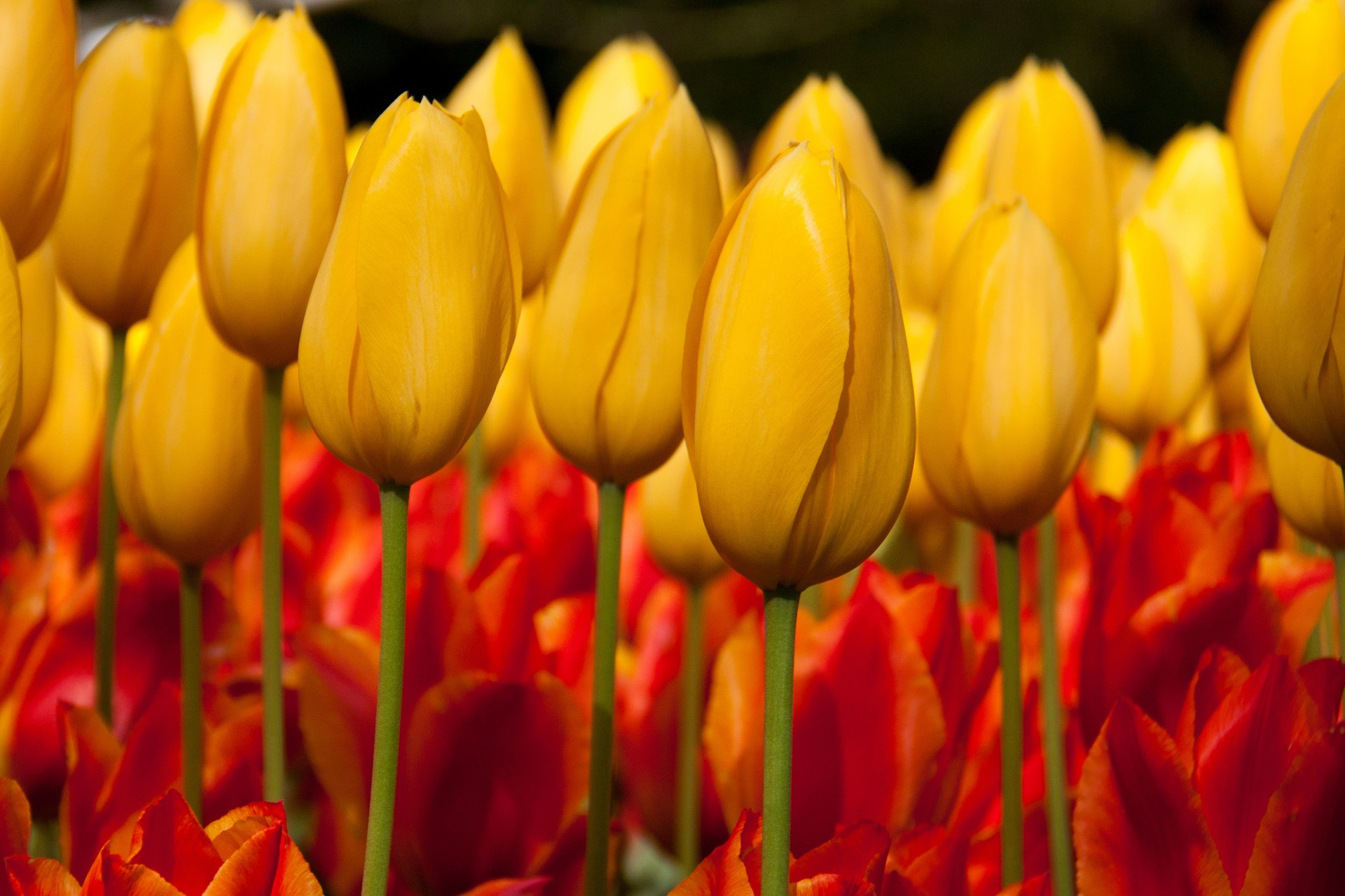
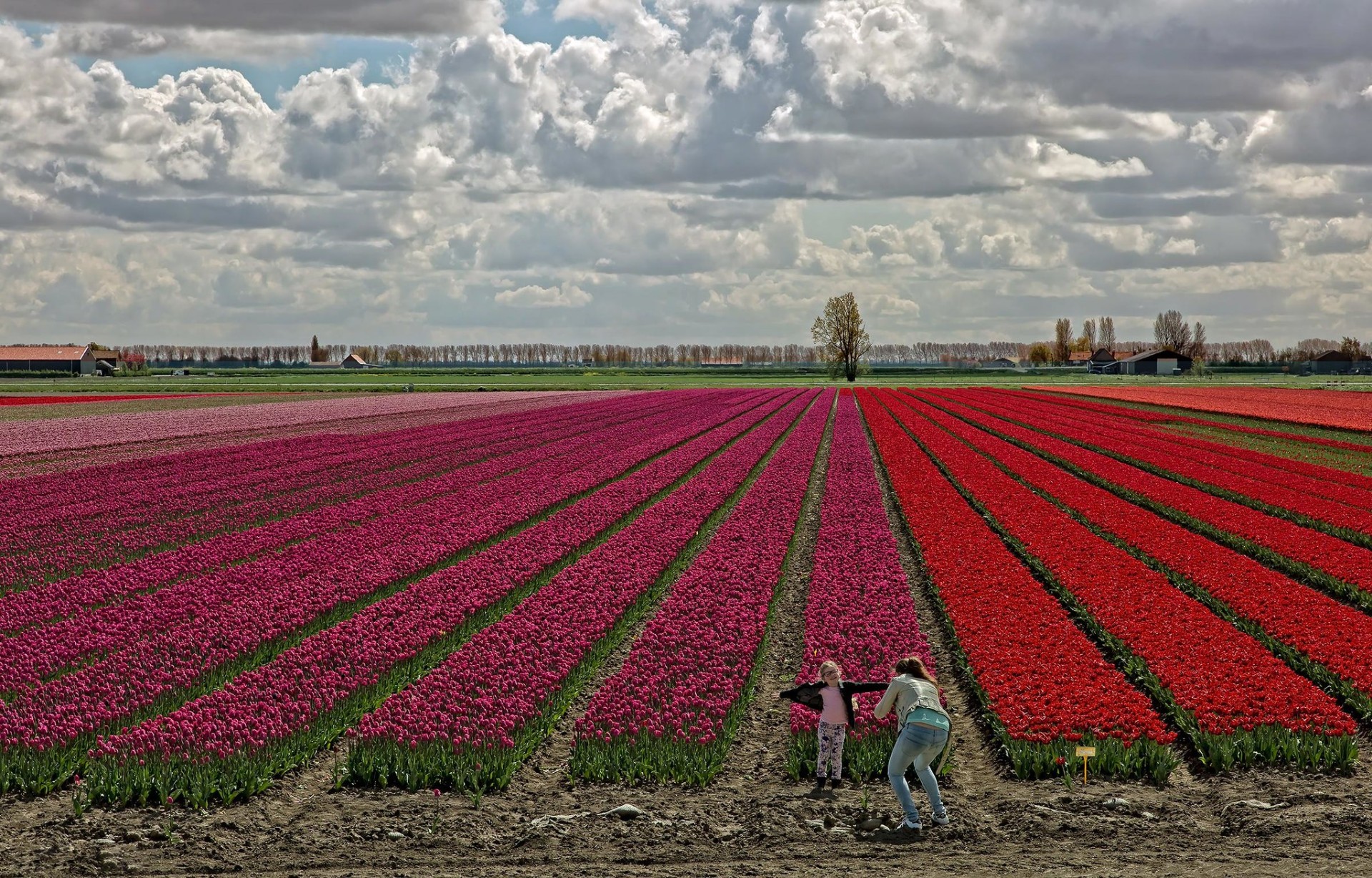
This bike and boat tulip tour leads through some of Southern Holland's most popular cities and through fields of beautiful Tulips! One highlight, among many, will be the most extensive flower garden in the world: the Keukenhof gardens!
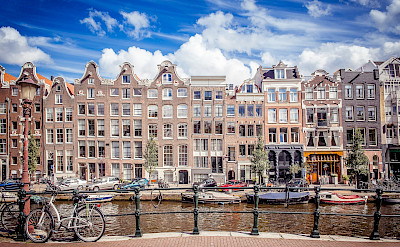
Your bike and boat adventure begins and ends in Amsterdam and includes the prestigious towns of Gouda, Delft, Leiden, and Haarlem.
This tour truly allows you to sample the best of Holland: quaint villages, lively metropolises, tulips, canals, and biking!
Highlights
- Keukenhof
- Tulips and other beautiful Spring blooms
- Historic town centers
- Biking on one of the world's greatest cycling networks
To browse all of our bike & boat tours in the Netherlands, follow the link!
Itinerary
Day 1: Amsterdam - Oude Wetering | Oude Wetering, 6 - 9 mi. (10 - 15 km)
Day 2: Oude Wetering - Gouda, 28 miles (45 km)
Day 3: Gouda - Alblasserdam | ferry to Rotterdam | Rotterdam - Delft, 25 mi. (40 km)
Day 4: Delft - via Katwijk - Leiden, 23 to 30 mi. (36 to 48 km)
Day 5: Keukenhof
Day 6: Leiden - Haarlem, 25 mi. (40 km)
Day 7: Haarlem - Amsterdam, 25 mi. (40 km)
Day 8: Amsterdam, disembark at 10 amAll distances are approximate. This itinerary is subject to change, even on very short notice, due to changing wind and weather conditions and other unforeseen circumstances having to do with mooring requirements, docking location changes, lock repairs, etc.
Day 1: Amsterdam - Oude Wetering | Oude Wetering, 6 - 9 mi. (10 - 15 km)
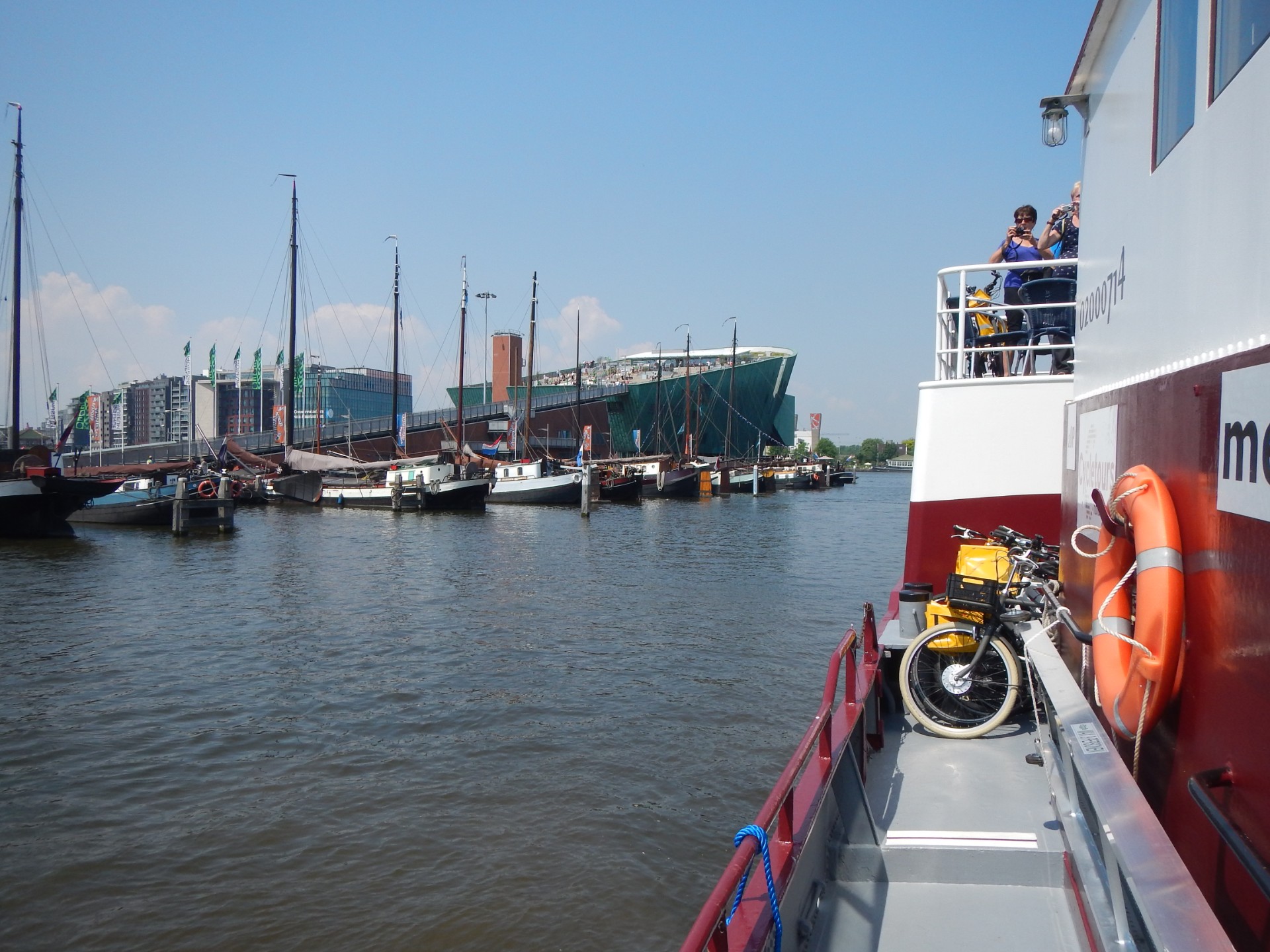
Embarkation on Saturday between 12:30 pm and 1:30 pm at Oosterdok, situated in the heart of Amsterdam and close to the train station. Upon boarding, you can settle in and enjoy a warm cup of coffee or tea. This is also a great opportunity to get to know your tour leader, skipper, crew, and fellow passengers.As you embark on your journey, you will first sail through Amsterdam before reaching the wetlands to the south of the city. The barge will then dock in the quaint village of Oude Wetering, where you can start to relax and get accustomed to life on the barge.
During dinner on board the ship, the tour leader will discuss the itinerary for the following day, as well as the overall plan for the week. Additionally, instructions on cycling and safety procedures will be provided. After dinner, the tour leader will accompany you on a short bike ride around the village.
Day 2: Oude Wetering - Gouda, 28 miles (45 km)
From the charming village of Oude Wetering, you continue through the Green Heart and polders along country roads, banks, and channels to reach the city renowned for its cheese - Gouda.Your cycling journey will take you through a quintessential Dutch landscape filled with lush green meadows, picturesque wetlands, serene canals and rivers, and small villages. Along the way, you will cross waterways on small ferries and bridges. Before reaching Gouda, you will ride through the beautiful Reeuwijkse Plassen nature reserve, famous for its wetlands.
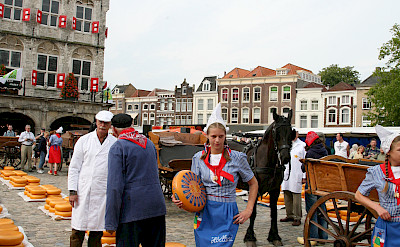
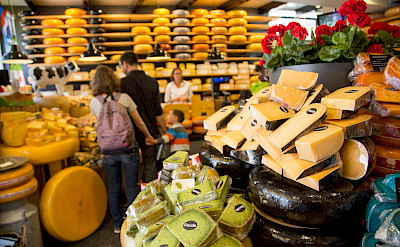
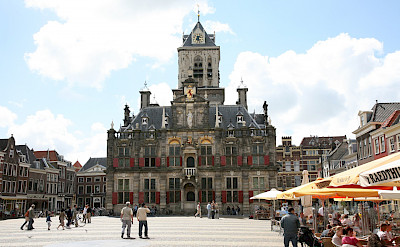
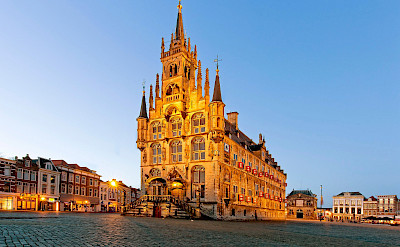
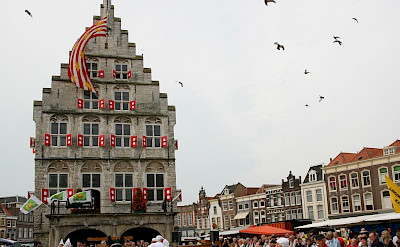
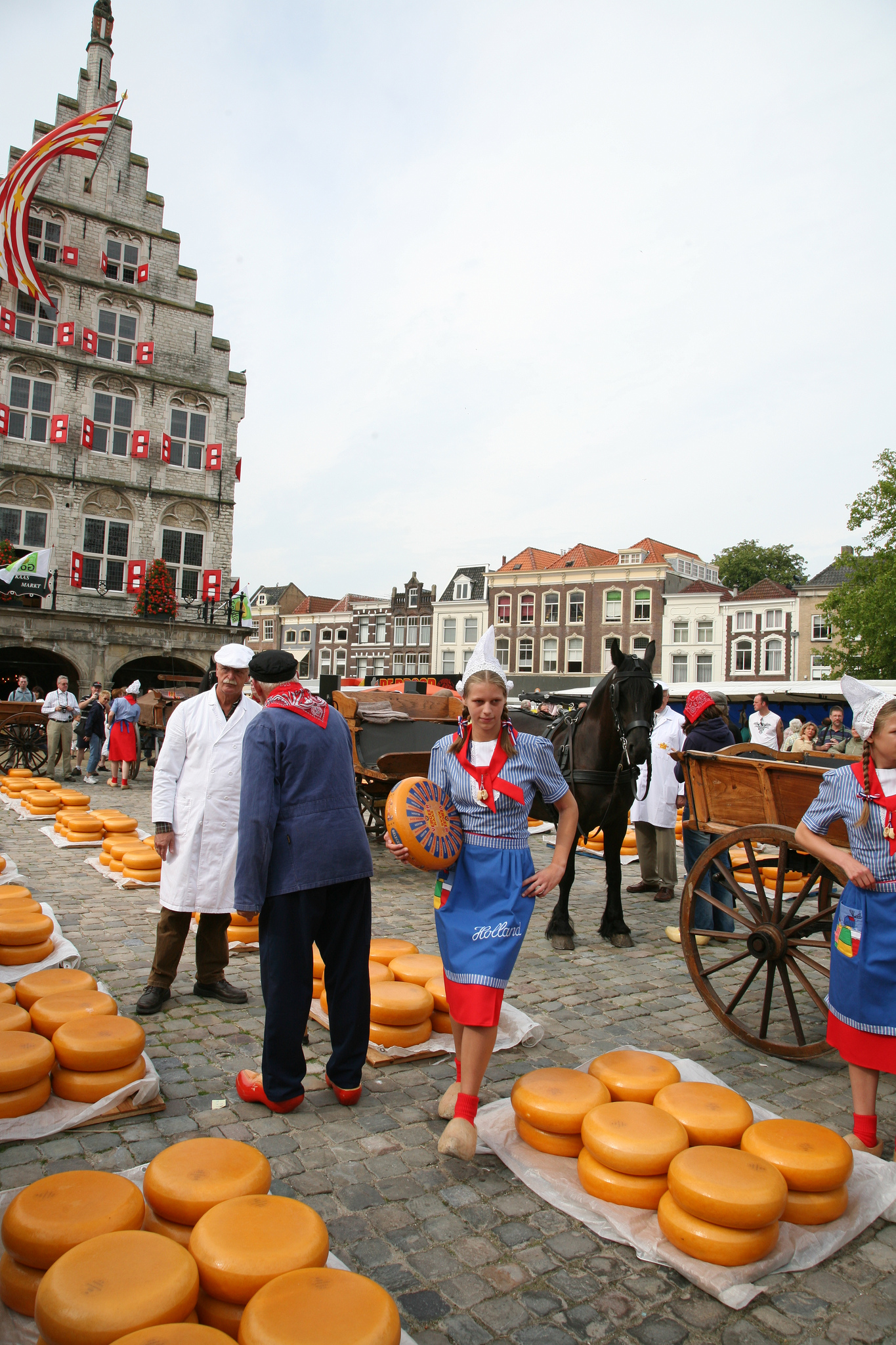
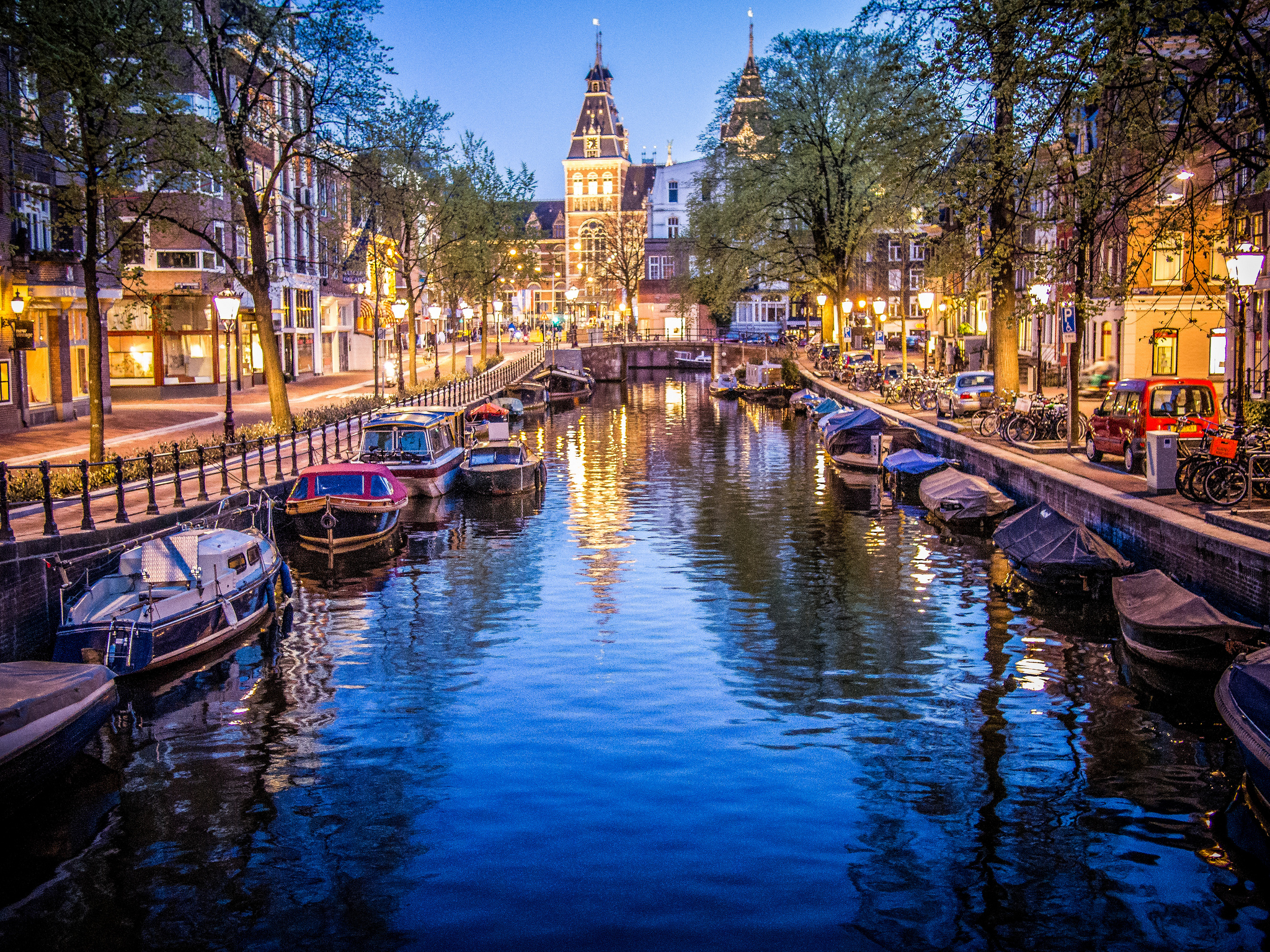
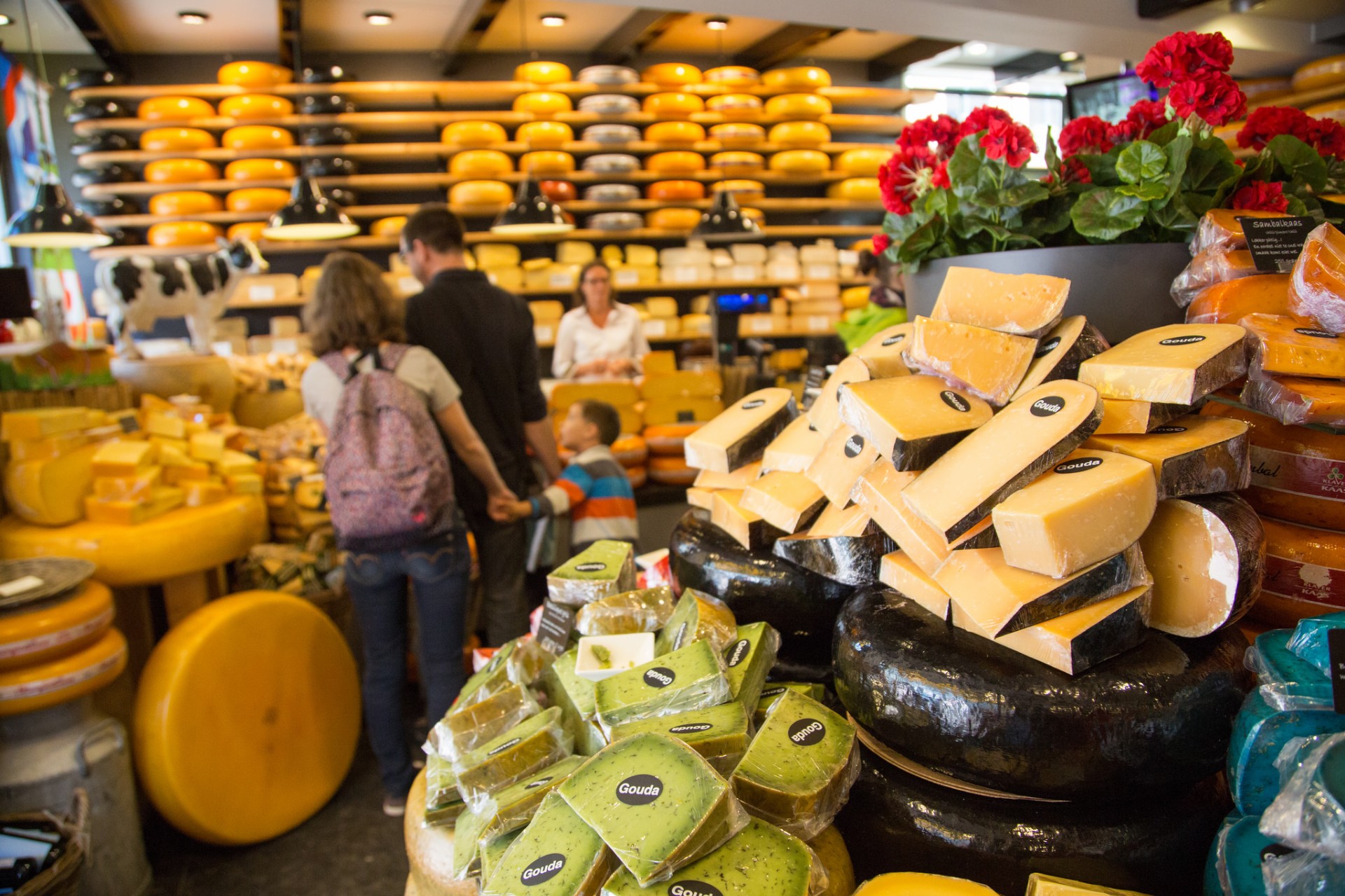
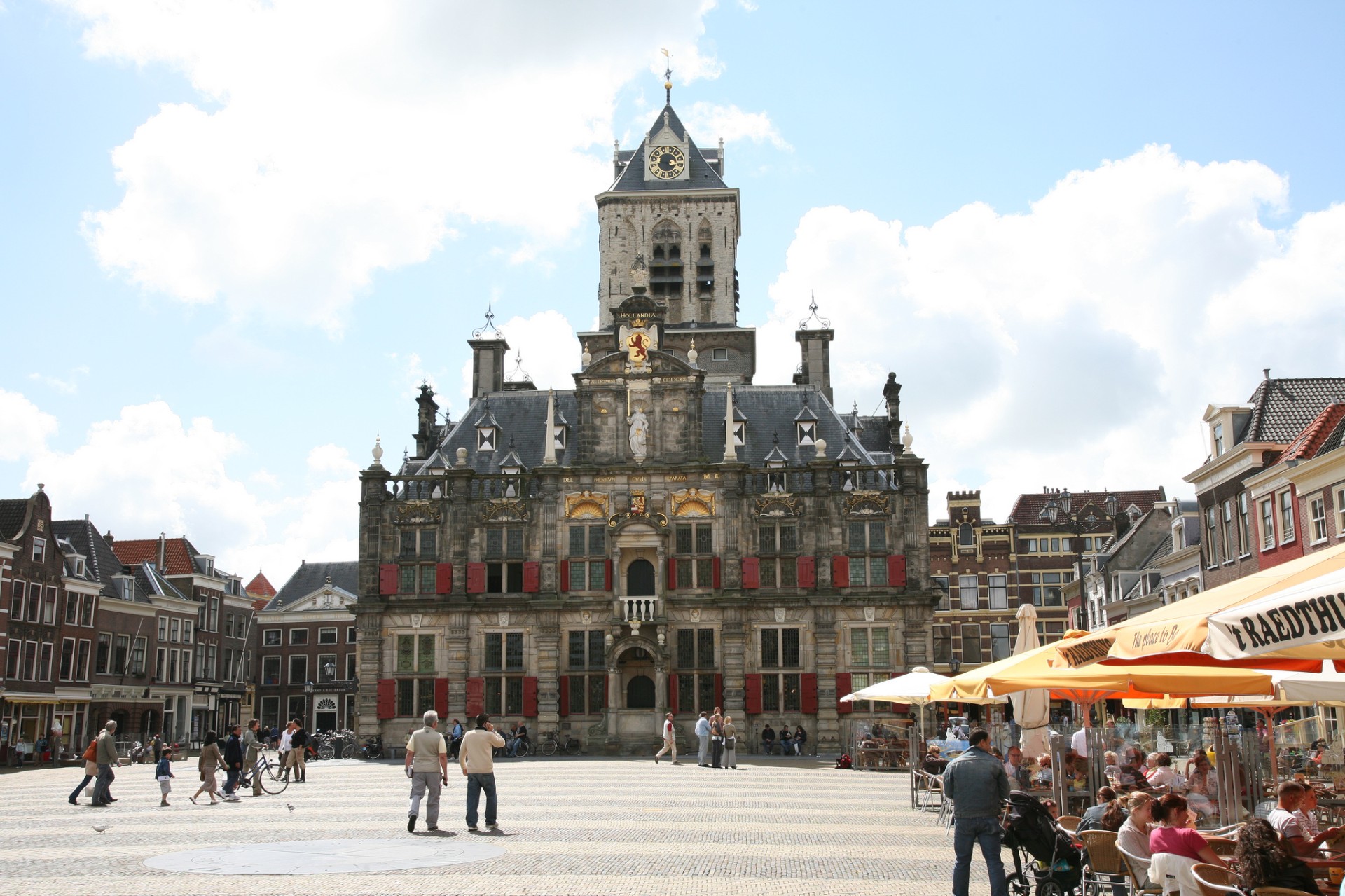
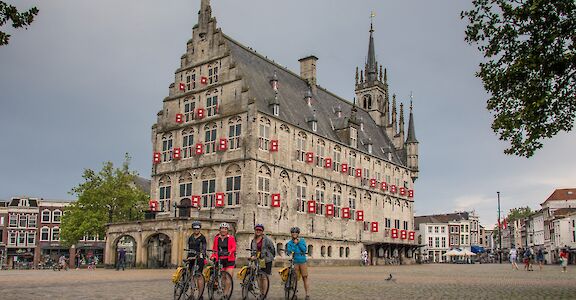
Gouda is not just famous for its cheese, pipes, stroopwafels (treacle waffles), and pottery but also for its stunning stained-glass windows, fairy-tale town hall, and atmospheric canals. The city boasts a beautiful and mostly intact old-Dutch city center.
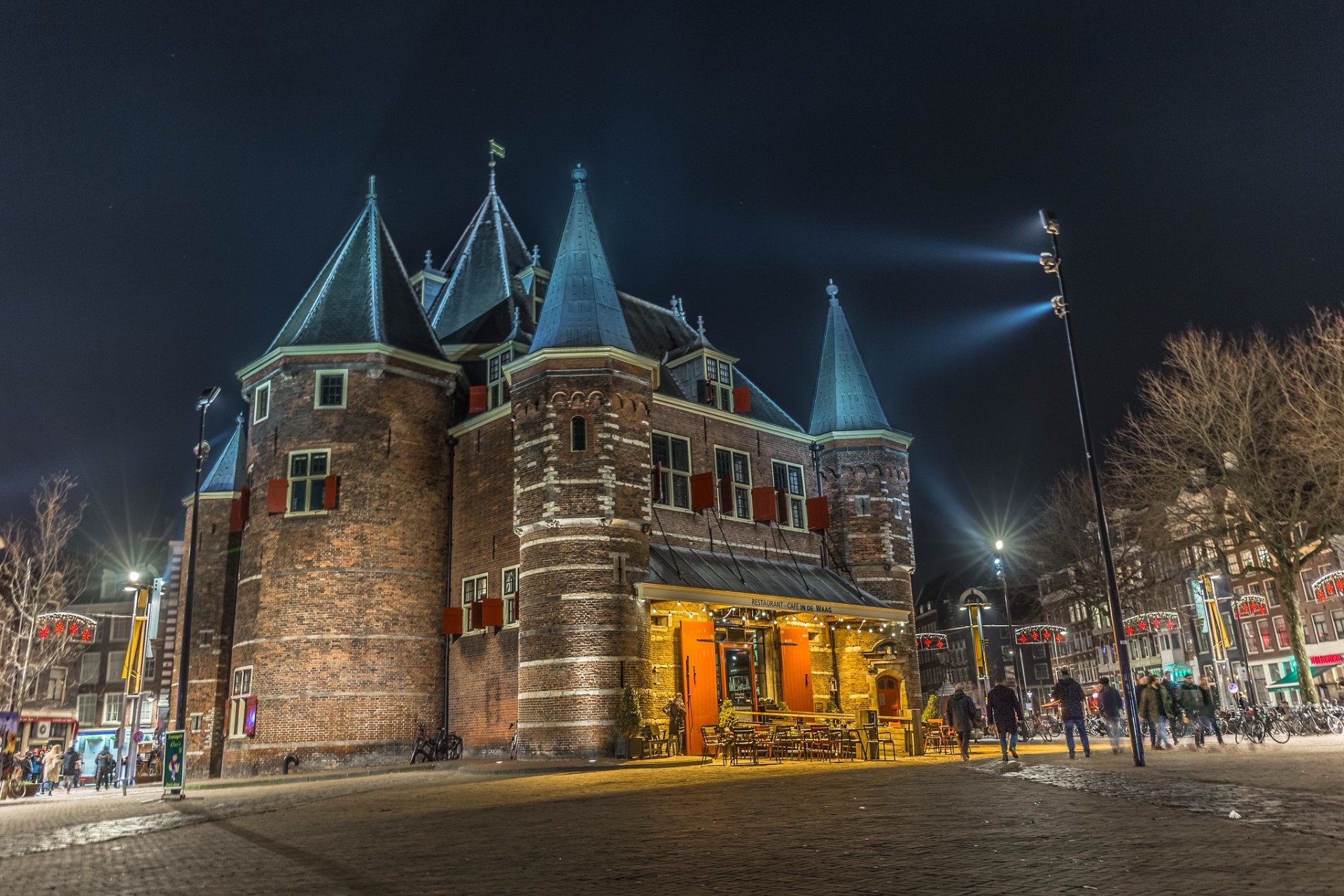
The 123-meter-long St. Janskerk, with its renowned Goudse Glazen (leaded light windows), the stunning gothic town hall, and the Waag (a building once used for weighing cheese) are some of the top attractions that are worth a visit.
As is the norm, the tour guide will take you on a leisurely walk through the city after dinner.
Day 3: Gouda - Kinderdijk | ferry to Rotterdam | Rotterdam - Delft, 25 mi. (40 km)
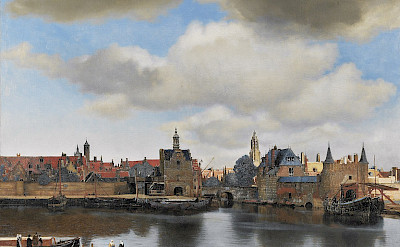
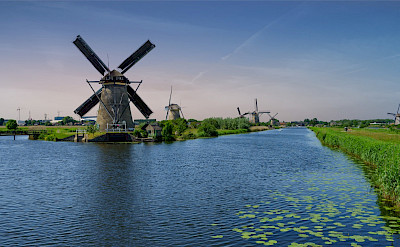
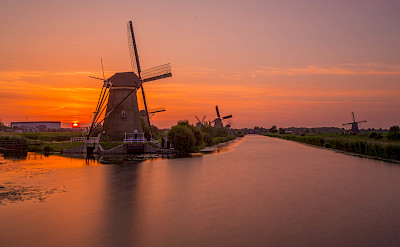
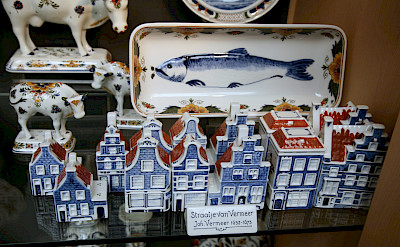
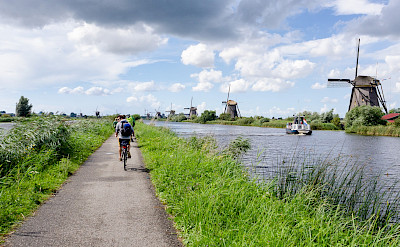
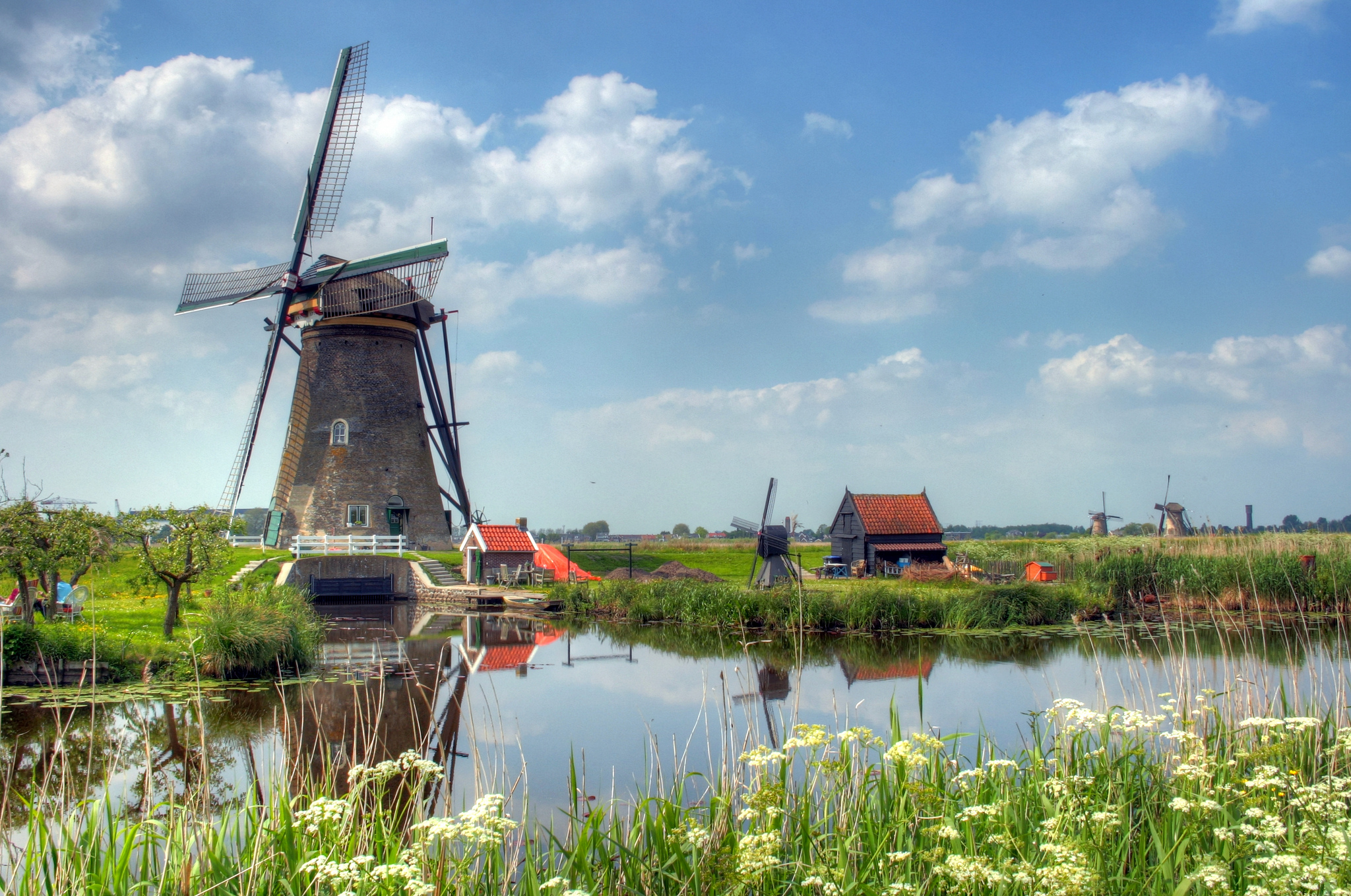
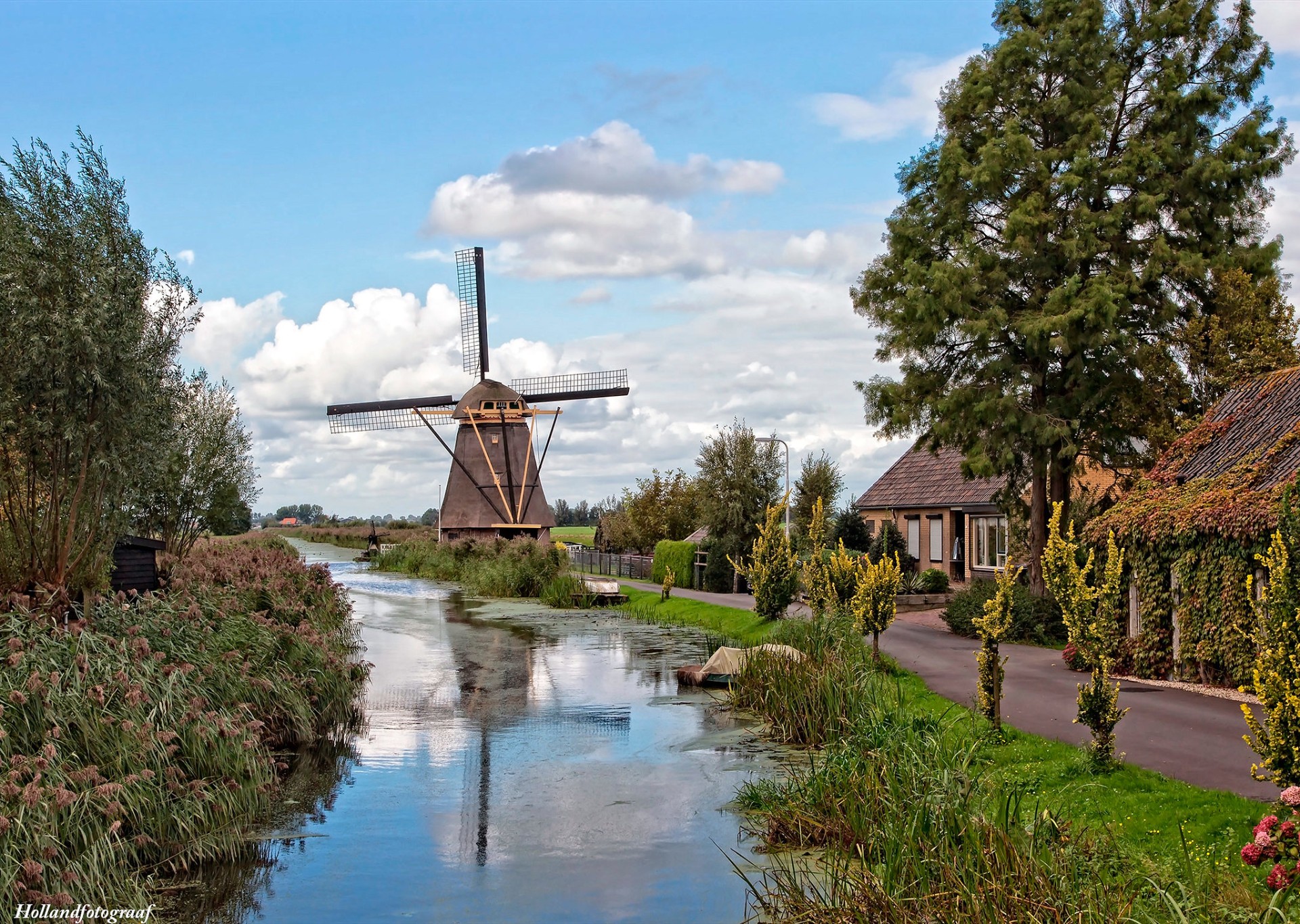
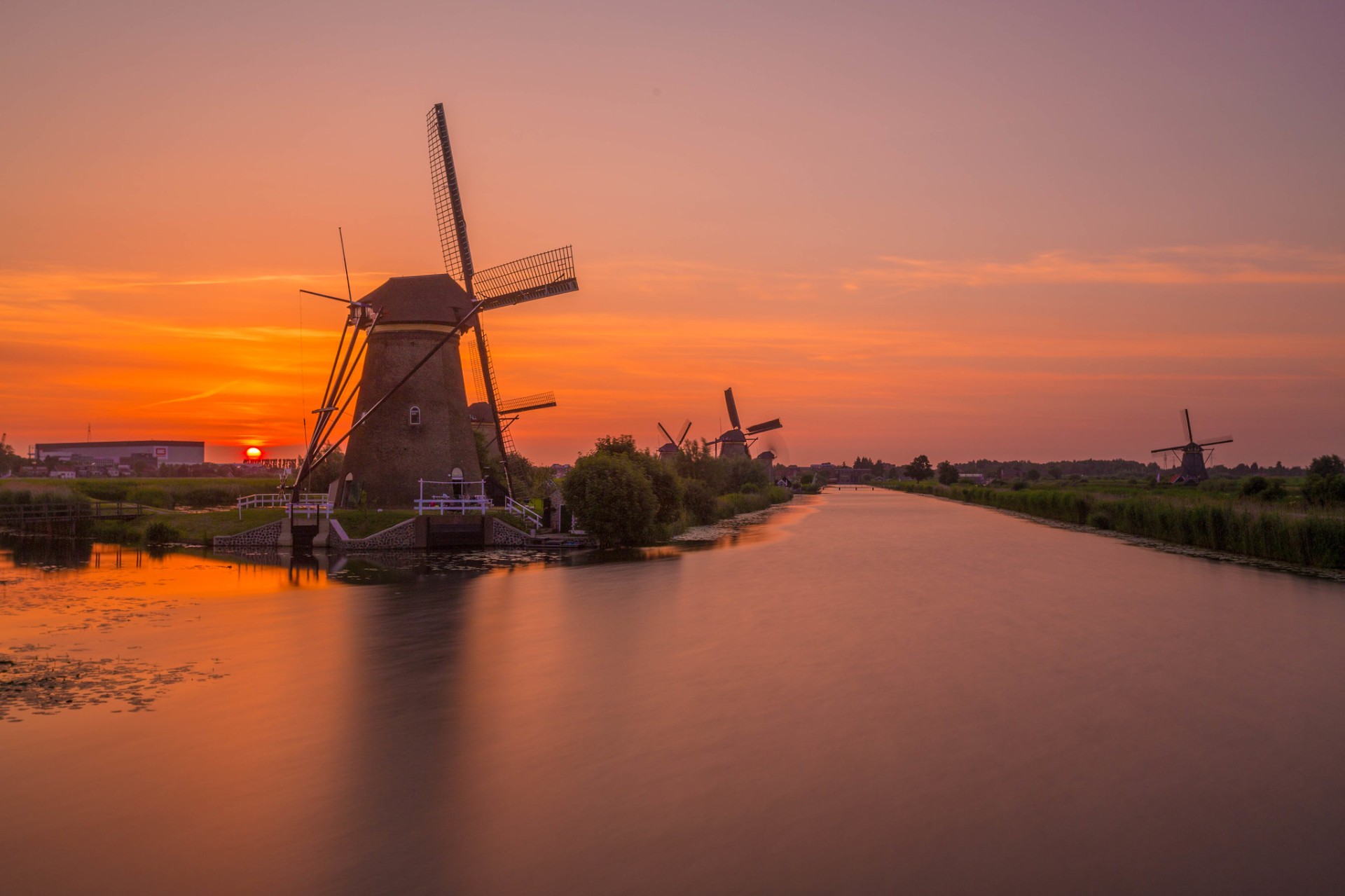
You will embark on an easy and peaceful cycling journey from Gouda, along serene country roads that pass through scenic polders, and eventually lead you to Rotterdam via Kinderdijk. Kinderdijk is a UNESCO cultural World Heritage site and boasts the largest group of windmills in the Netherlands. The 19 windmills at Kinderdijk are a magnificent sight and were in active use until 1950. Nowadays, a large pumping station controls the water level in the polder. You can also visit a windmill from the inside, which is an impressive example of centuries-old technology that remains functional to this day.After exploring Kinderdijk, you will take a ferry to Rotterdam, where the barge will be waiting for you. The barge will then take you to Delft, a town renowned for its pottery, specifically the famous Delft Blue. The Prinsenhof Museum is located in the former St. Agatha's Monastery. In 1572, William of Orange selected the convent as one of his residences, and it was from here that he led the revolt against the Spanish tyranny of Holland. Unfortunately, he was assassinated on the steps of the Prinsenhof on July 10, 1584, by Balthazar Gerards, a Spanish sympathizer. The two bullet holes in the wall of the stairs bear witness to this historic event
Day 4: Delft - Leiden, 23 to 30 mi. (36 to 48 km)
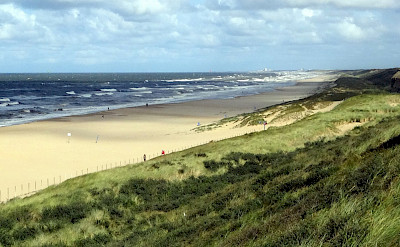
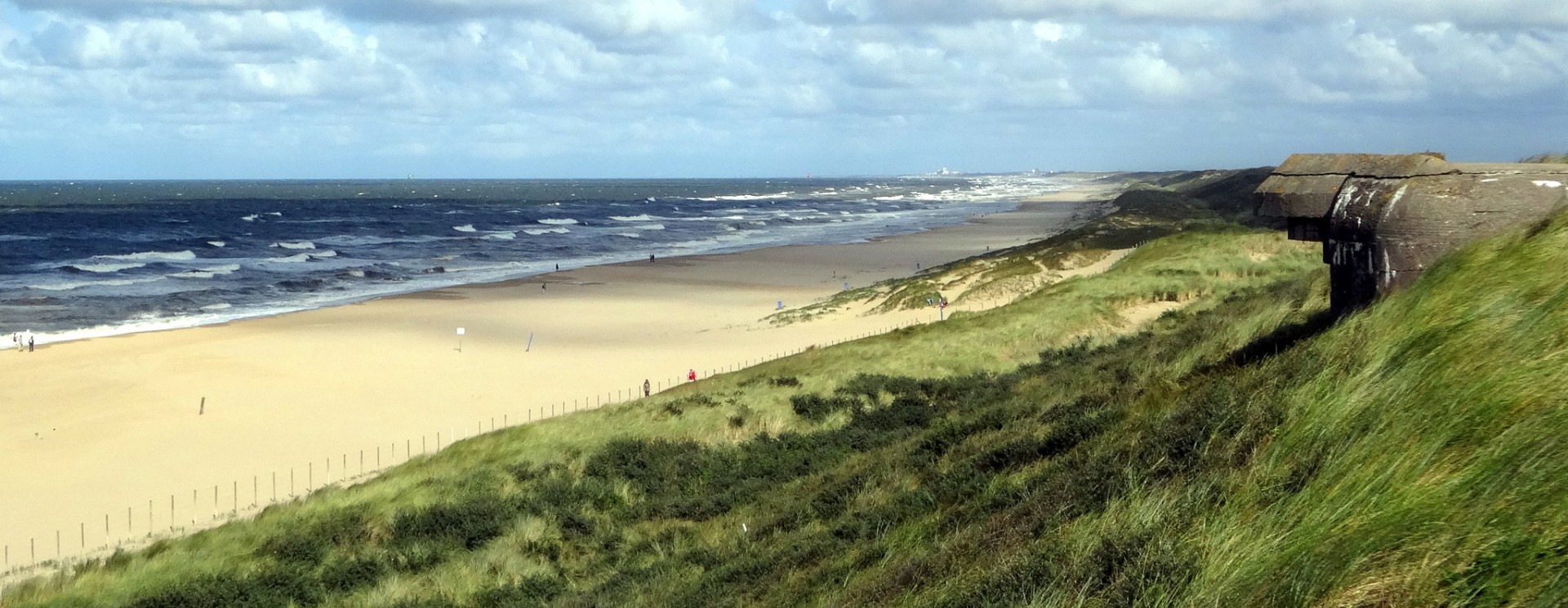
Today is Sunday, the day on which most Dutch take out their bikes for a ride. From Delft, you will cycle Holland in the direction of The Hague, through the Haagse Bosch, a large park, and past the Royal Huis ten Bosch Palace. A tranquil cycle path through the dunes leads you to Wassenaarse Slag. Here, some remains of the Atlantikwall can still be seen. The Atlantic Wall was an extensive system of coastal fortifications built by the German Third Reich in 1942 until 1944 during World War II along the western coast of Europe. Now, this underground network serves as a bat reserve! It was nearly 1,700 miles long.
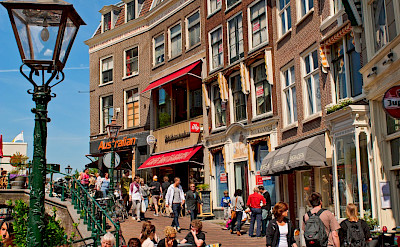
Continuing on through the dunes, to Katwijk aan Zee, an old fishing village (the inhabitants still speak their own dialect called Kattuks), you will follow the course of the Oude Rijn (Old Rhine) ending in Leiden. Leiden originated around 800 AD as a marketplace at the confluence of the Old and New Rhine rivers, the Vliet river, and the Mare (‘Leyten’ means ‘at the waters’). For a long time, it was the second city after Amsterdam. It boasts 14 museums. The Hortus Botanicus (Botanical Garden), a 400-year-old garden with innumerable exotic plants and trees, is certainly worth seeing. In the center of town, you can go shopping or enjoy sitting on an outdoor terrace on the water’s edge. The ship is moored near the Zijlpoort, a gate that once formed part of the city walls. The shorter route leads you inland after ‘Huis den Bosch’ and brings you along ‘Vlietlanden’ a 130 ha big recreational lake to Leiden.Day 5: Keukenhof
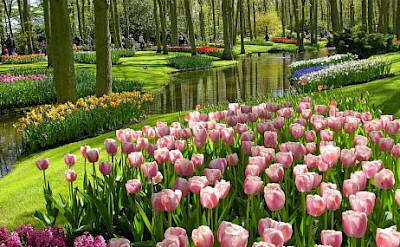
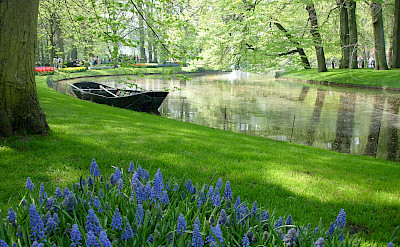
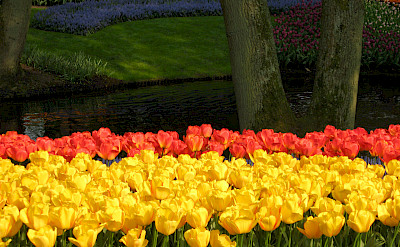
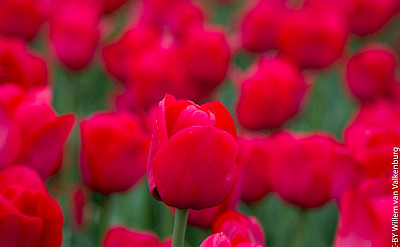
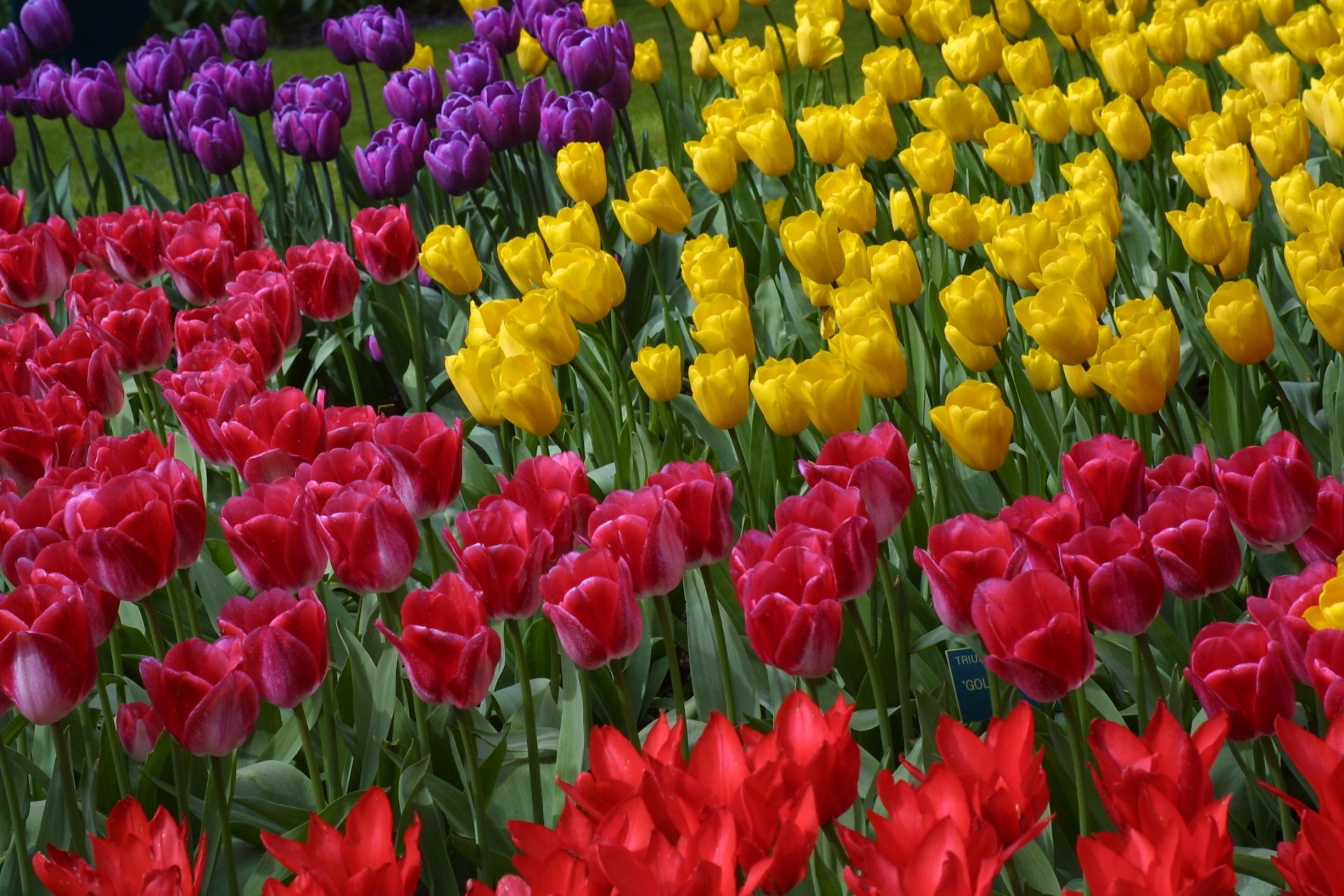
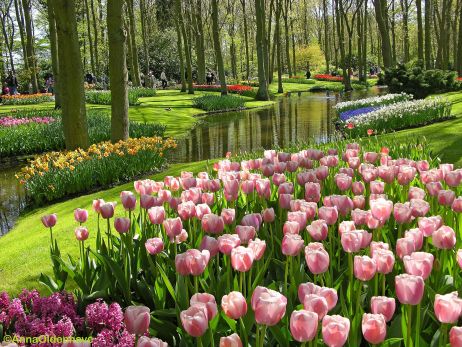
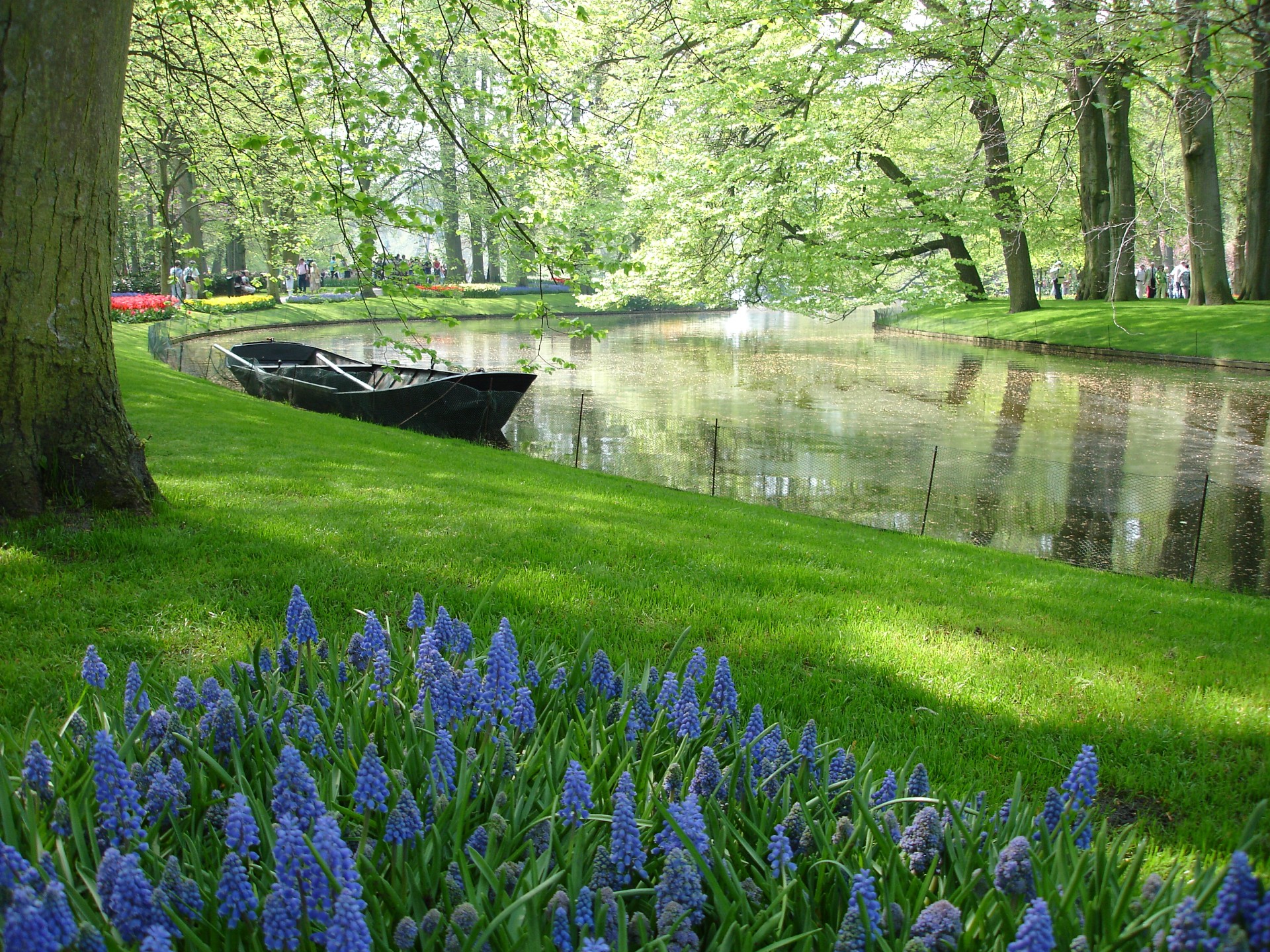
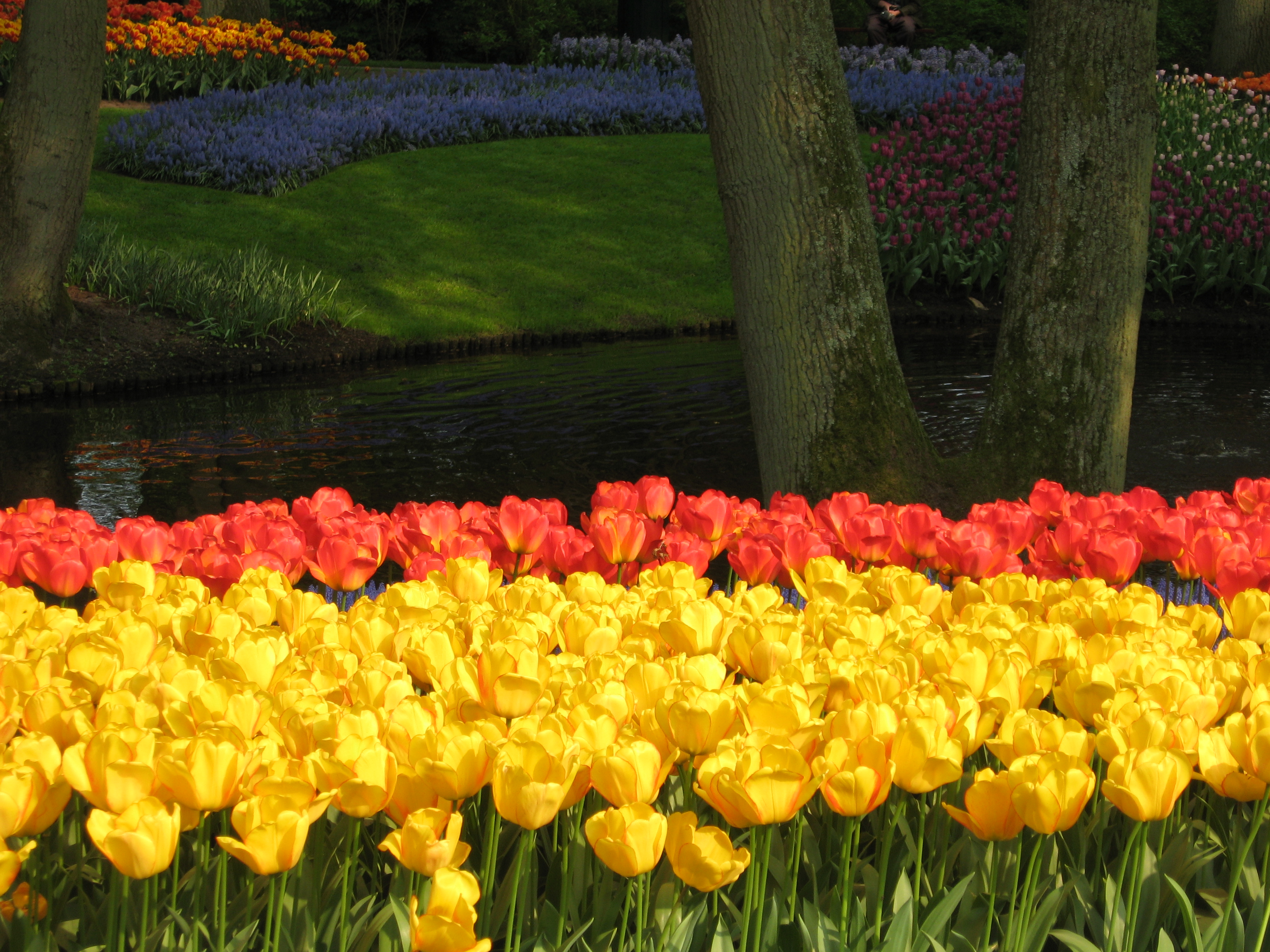
Today, you will have the opportunity to visit the Keukenhof Gardens, which are considered the most stunning spring park worldwide. The park covers a vast area of 80 acres and is home to seven million tulips, which create a breathtaking explosion of colors against a backdrop of both traditional and modern gardening architecture. The stunning blossoms, along with the flowering rhododendrons and azaleas, provide a feast for the eyes. The pavilions are not to be missed, as they present unique flower shows, and the many art objects scattered throughout the park add an element of surprise to the experience. Additionally, Keukenhof has a wide variety of gardens and gardening styles, including the English Landscape Garden, the Historical Garden, the Natural Garden, the Japanese Natural Garden, the Formal Garden, and three special color gardens. The park also boasts roughly eighty sculptures from renowned Dutch artists, as well as the "Surprising Tulips" collection, making it an unparalleled display of art and natural beauty.Day 6: Leiden - via flower bulb fields - Haarlem, 25 miles (40 km)
From Leiden, you cycle through wonderful flower beds in the direction of Haarlem. In the period of March to May, the bulb fields are blooming, starting with daffodils and followed by hyacinths, tulips, and lilies. Once in the city of Haarlem, you make a short tour through the city to see some typical 'hofjes' (almshouses), old houses around a central courtyard, now usually housing elderly people. These 'hofjes ' are definitely worth a visit. Haarlem, which rendered its name to Harlem, New York, is a lively city with good shopping possibilities. The ship is berthed in the city center, with a view of St. Bavo's Church and with easy access to the Grote Markt with its many outdoor cafés.Day 7: Haarlem - Amsterdam, 25 mi. (40 km)
From Haarlem, you sail to Spaarndam, a picturesque village on the edge of Haarlem, in the direction of Amsterdam. Spaarndam’s name comes from the dam built in the Spaarne River to limit the danger of flooding from the sea. Here you can find the statue of Hansje Brinker on the IJdijk. Hansje is a character from an American novel, who saved the country from flooding by putting his finger in the dike. The Buitenhuizen ferry takes you across the North Sea Canal and from there, you cycle to the Zaanse Schans. The Zaanse Schans, with its traditional weatherboard houses, warehouses, and windmills may give you the feeling of stepping back into the 17th or 18th century. Yet this is no open-air museum, but a lively neighborhood where people live and work. Among other things, a cheese farm, a clog maker, and an old bakery can be visited here.Day 8: Individual departure from Amsterdam
Disembarkation by 10 am.If you’re looking for a different flavor, check out our full list of bike & boat tours or view all our featured tours, specials, and news.
Map
Boats & Bikes
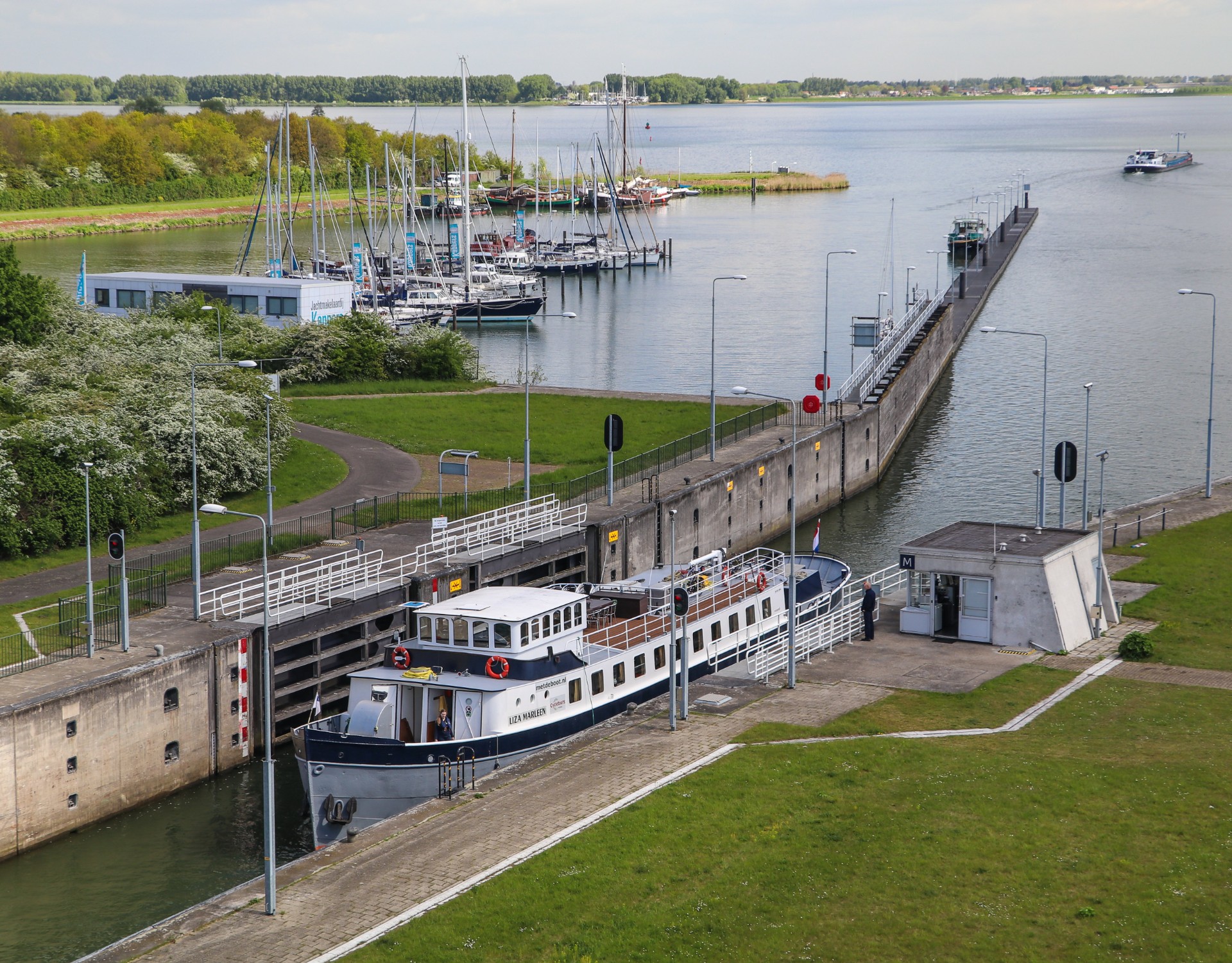
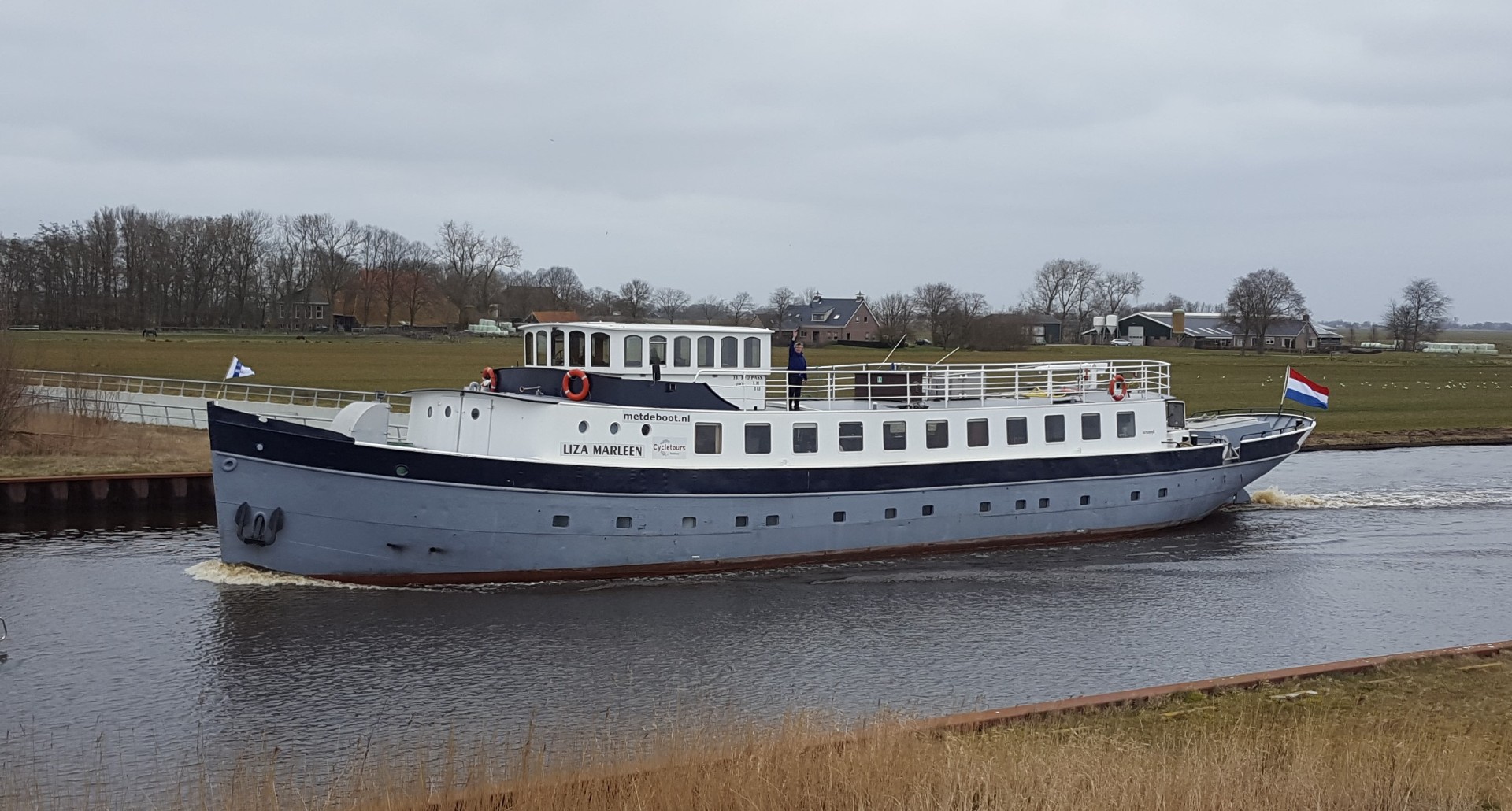
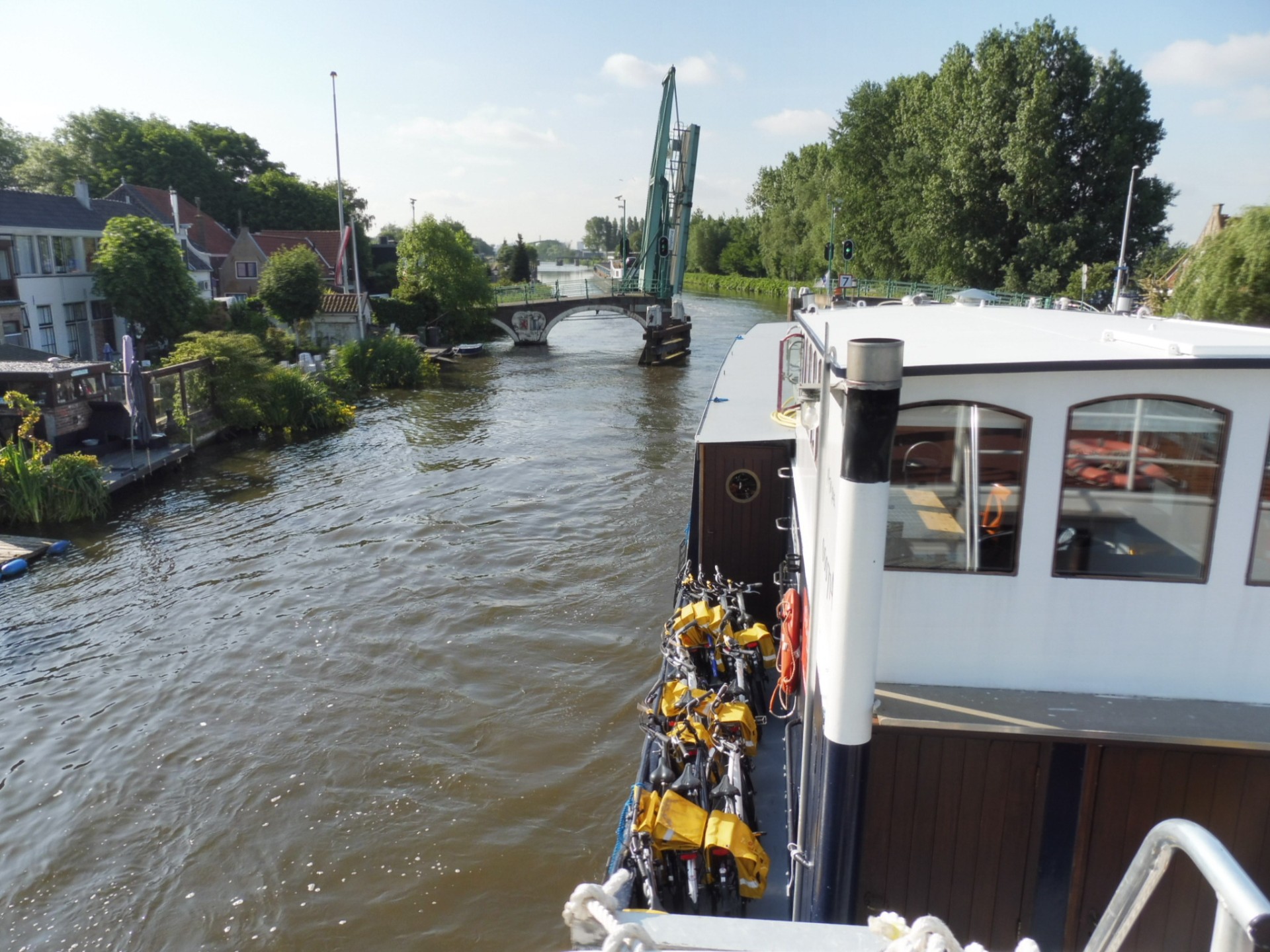
- Liza Marleen
Comfort Class Barge
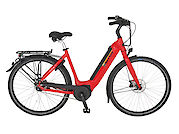
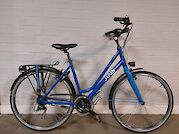
Touring BicycleElectric Bicycle (E-Bike)![]() Velo de Ville bikes (unisex frames) • Aluminum frame … • Upright handlebar … • Selle Royal saddle … • 7-speed (Shimano) • Flat pedal … • Shimano coaster brakes (backpedal & hand) or freewheel hub… Read More
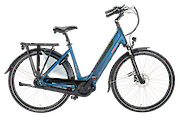
Velo de Ville bikes (unisex frames) • Aluminum frame … • Upright handlebar … • Selle Royal saddle … • 7-speed (Shimano) • Flat pedal … • Shimano coaster brakes (backpedal & hand) or freewheel hub… Read More![]() E-Bike (Pedelec) Velo de Ville bikes (unisex frames) • Upright handlebar … • Selle Royal saddle … • Flat pedal … • 8-speed … • Bosch mid-drive motors … • 500 Wh Bosch detachable rechargeable… Read More
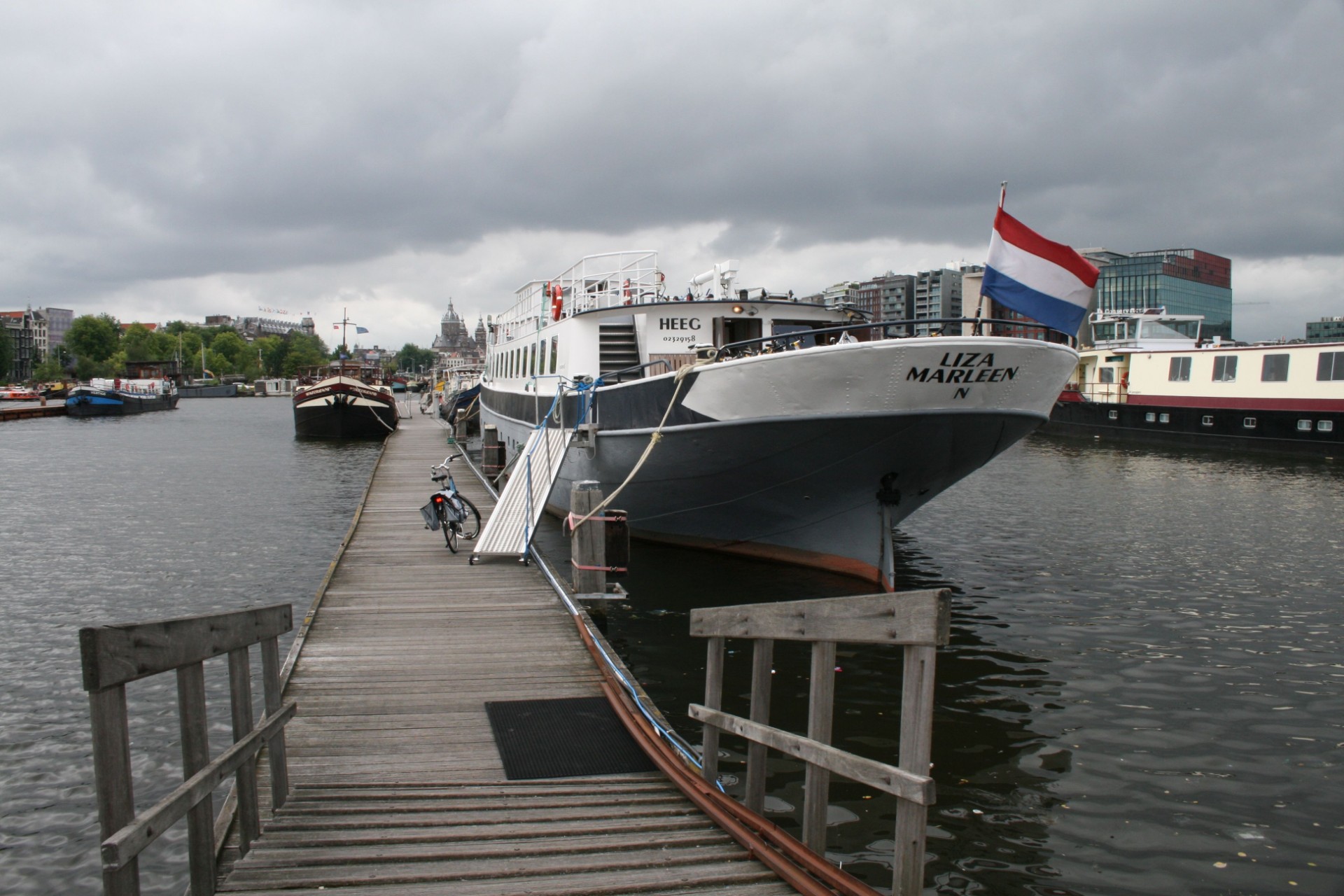
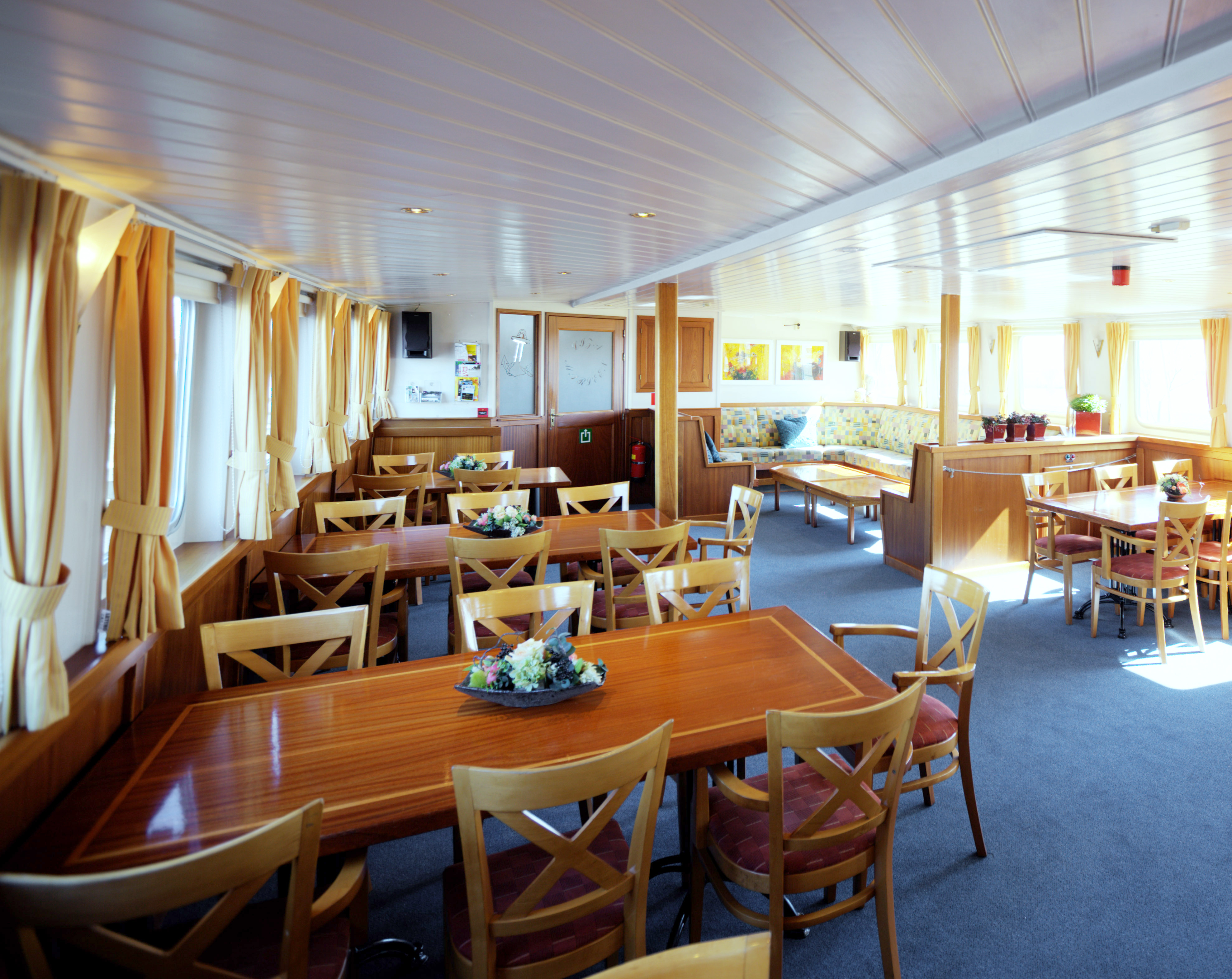
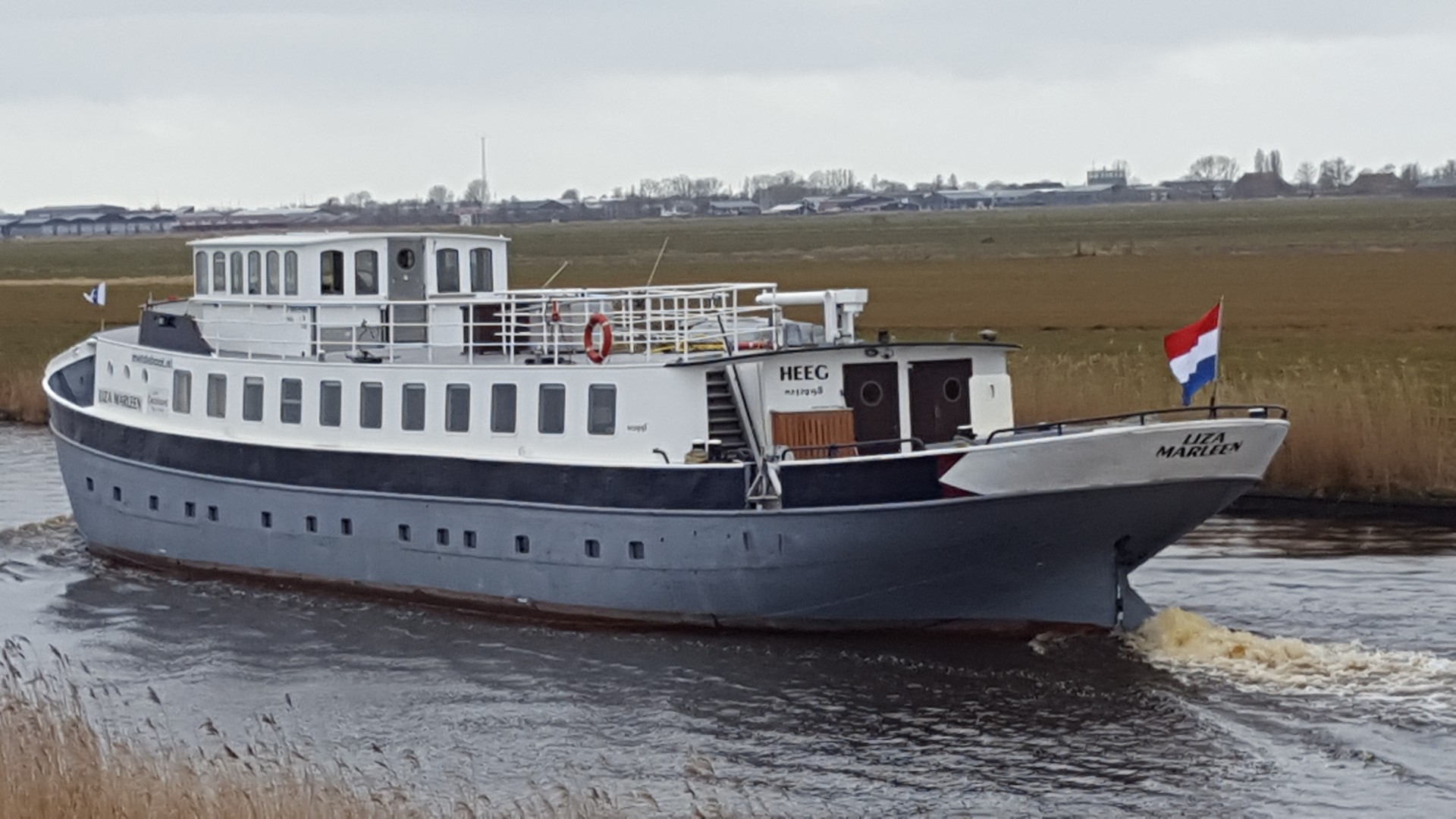
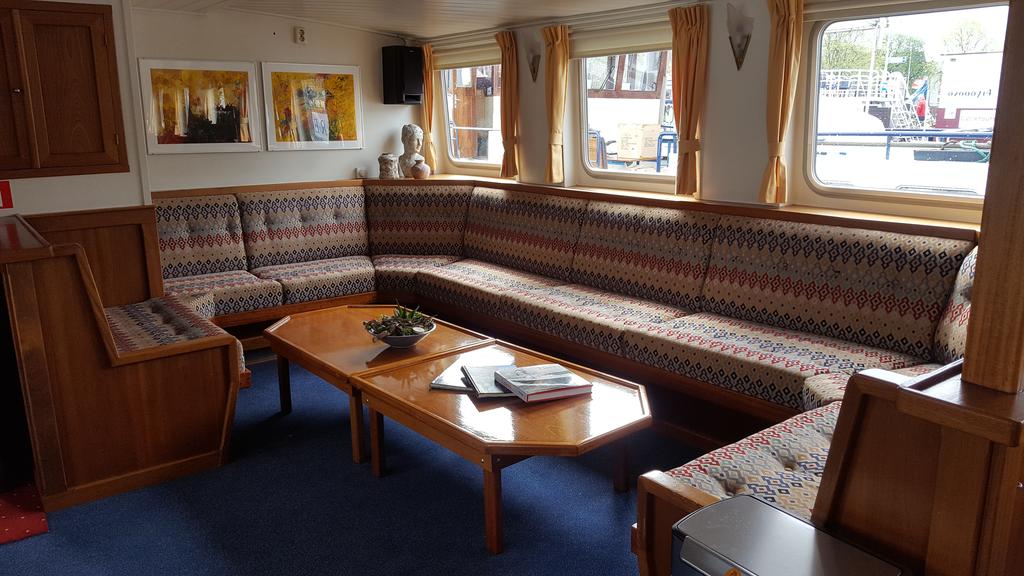
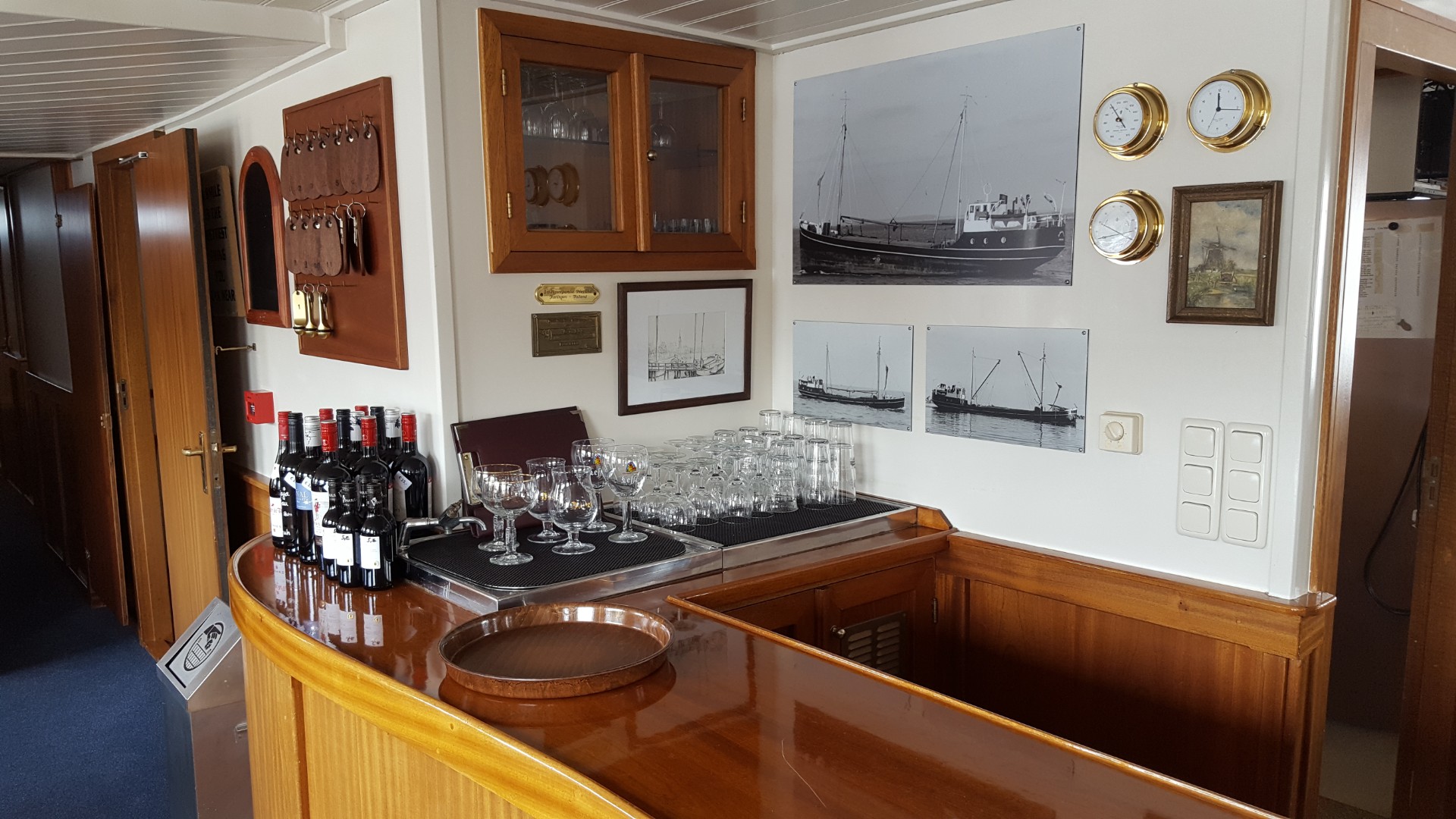
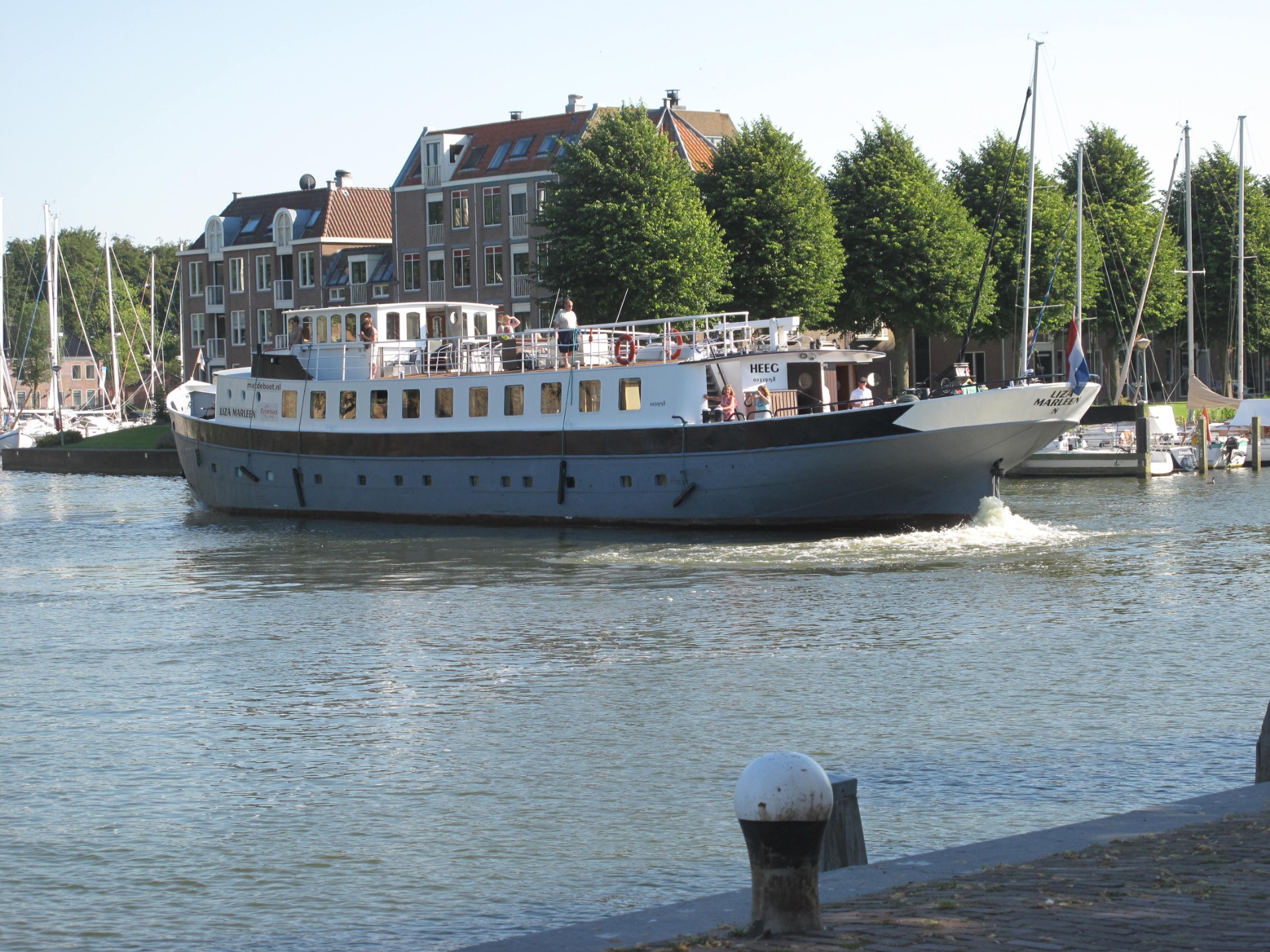
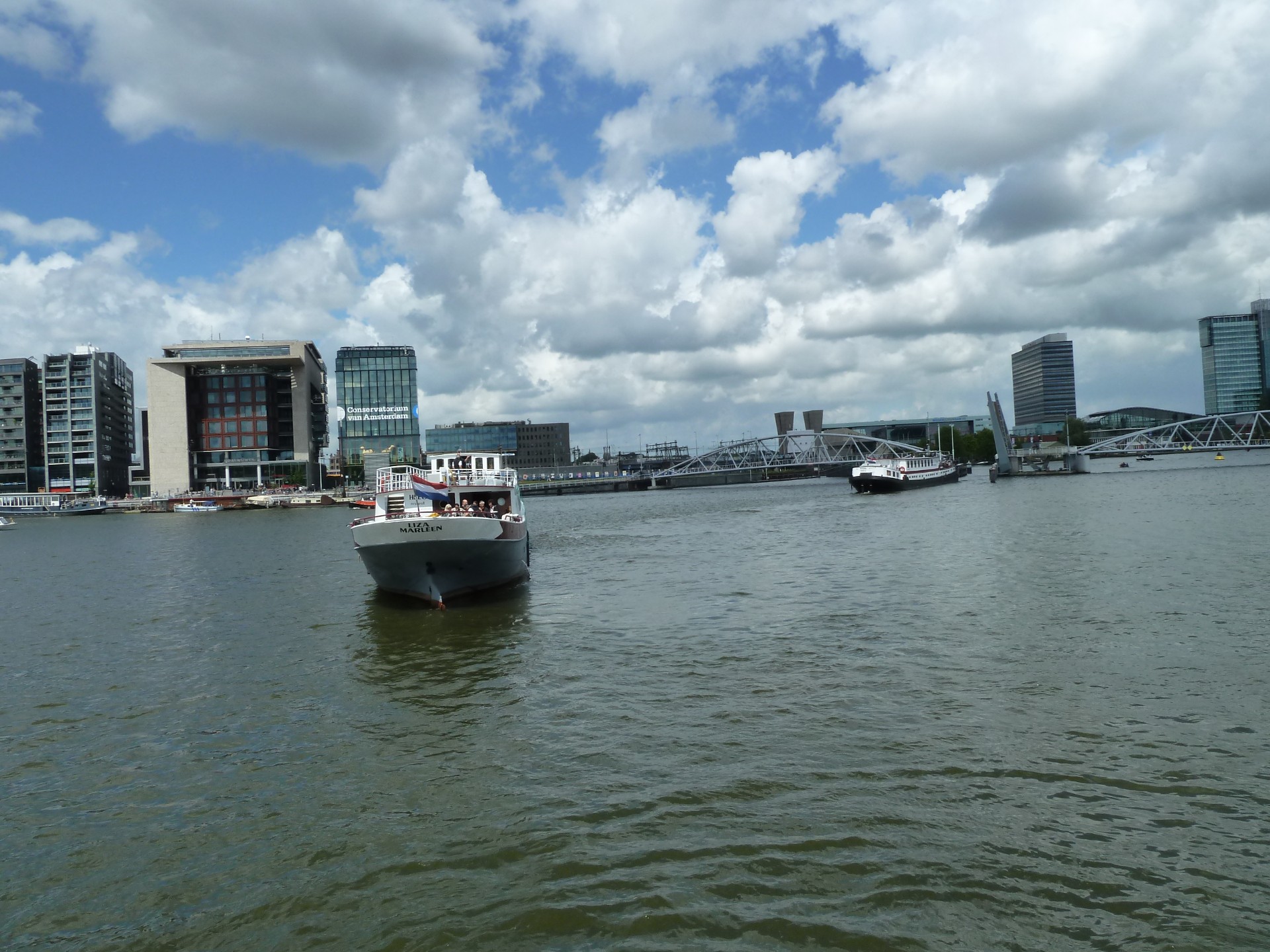
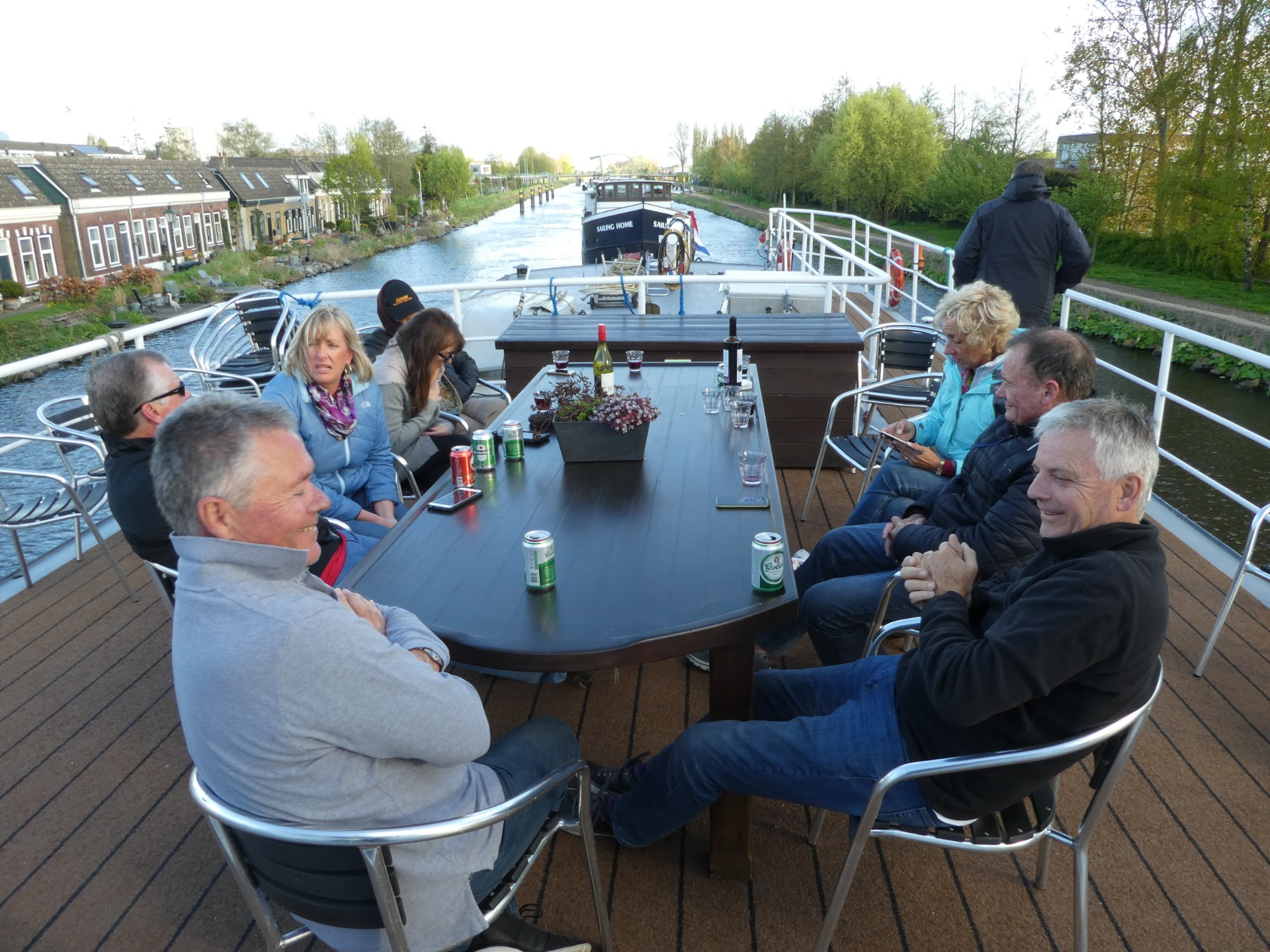
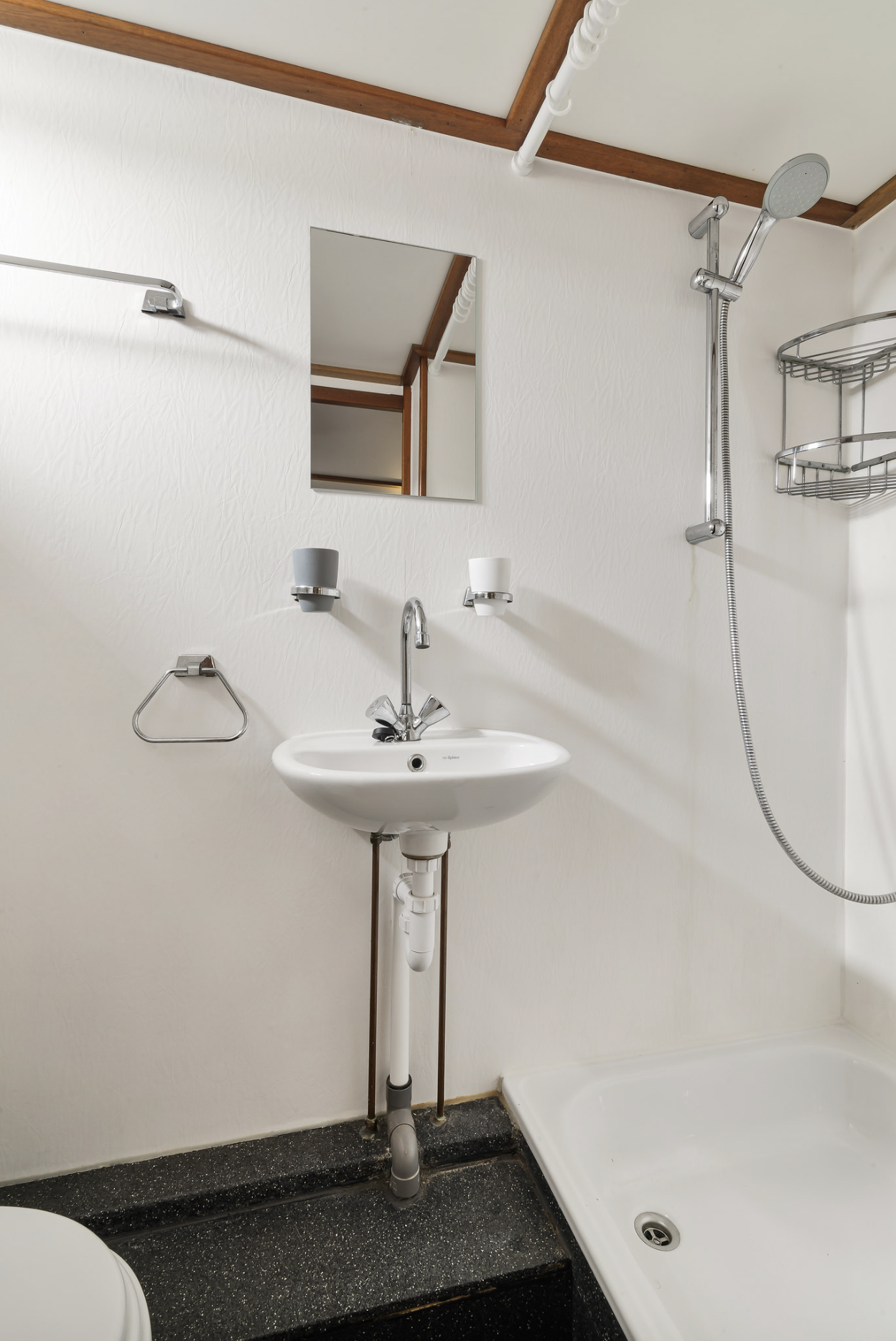
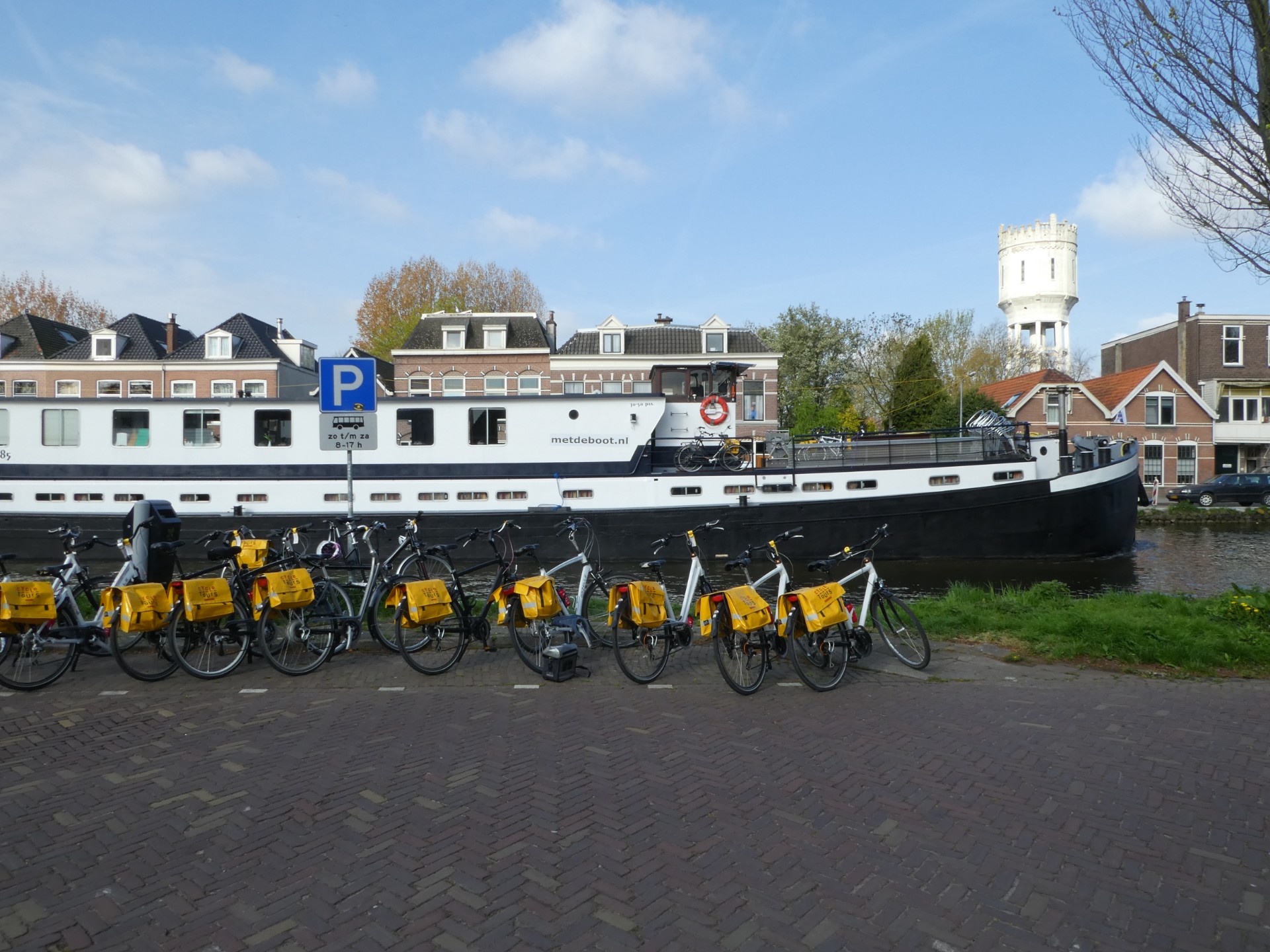
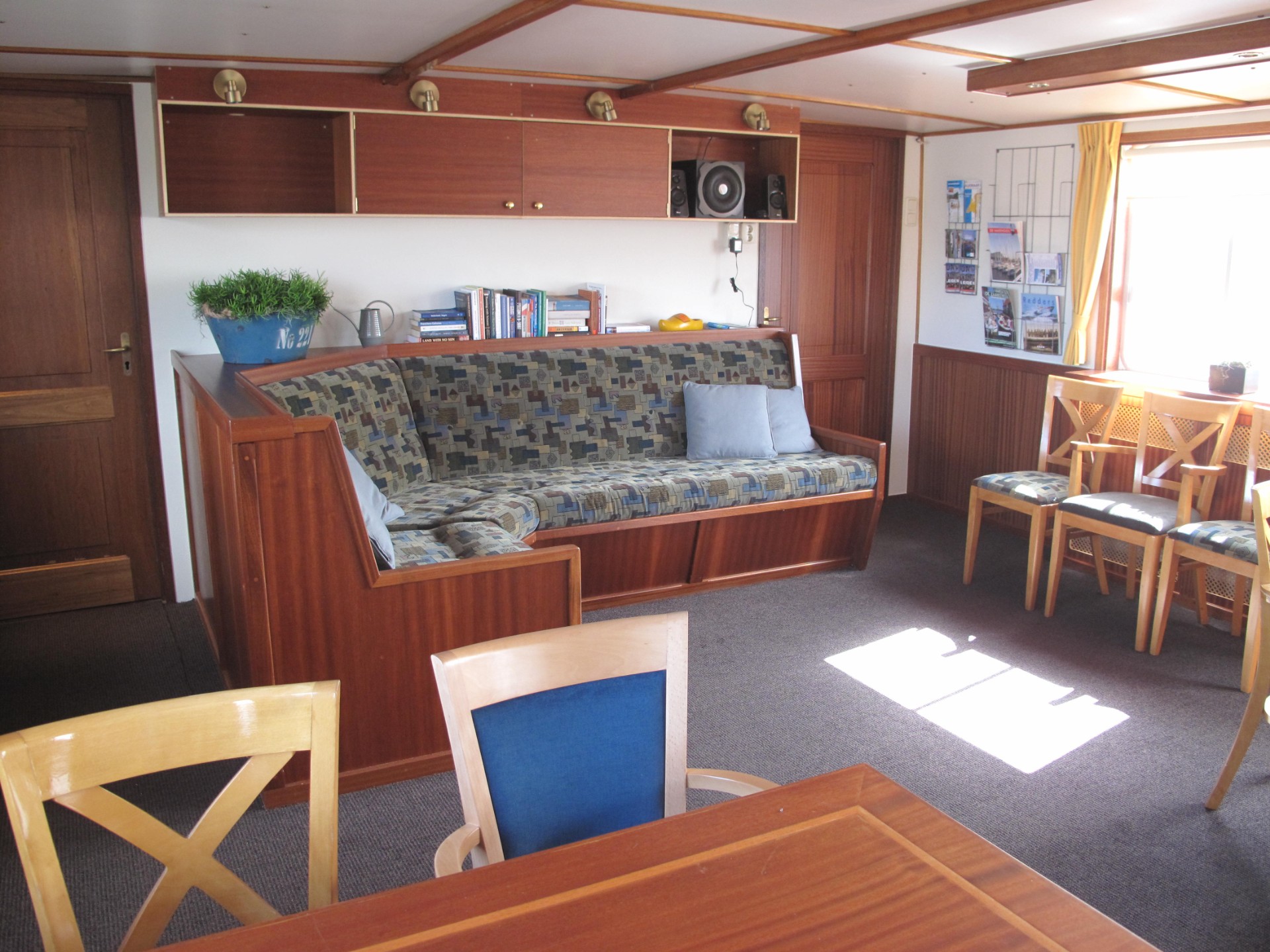
E-Bike (Pedelec) Velo de Ville bikes (unisex frames) • Upright handlebar … • Selle Royal saddle … • Flat pedal … • 8-speed … • Bosch mid-drive motors … • 500 Wh Bosch detachable rechargeable… Read MoreThe Liza Marleen is a lovely motor passenger barge that was built in 1998 and the cabins were completely renovated in 2016. This "robust" lady is ideally suited for trips on the wider waterways. It has a beautiful salon area and a spacious deck. Read More
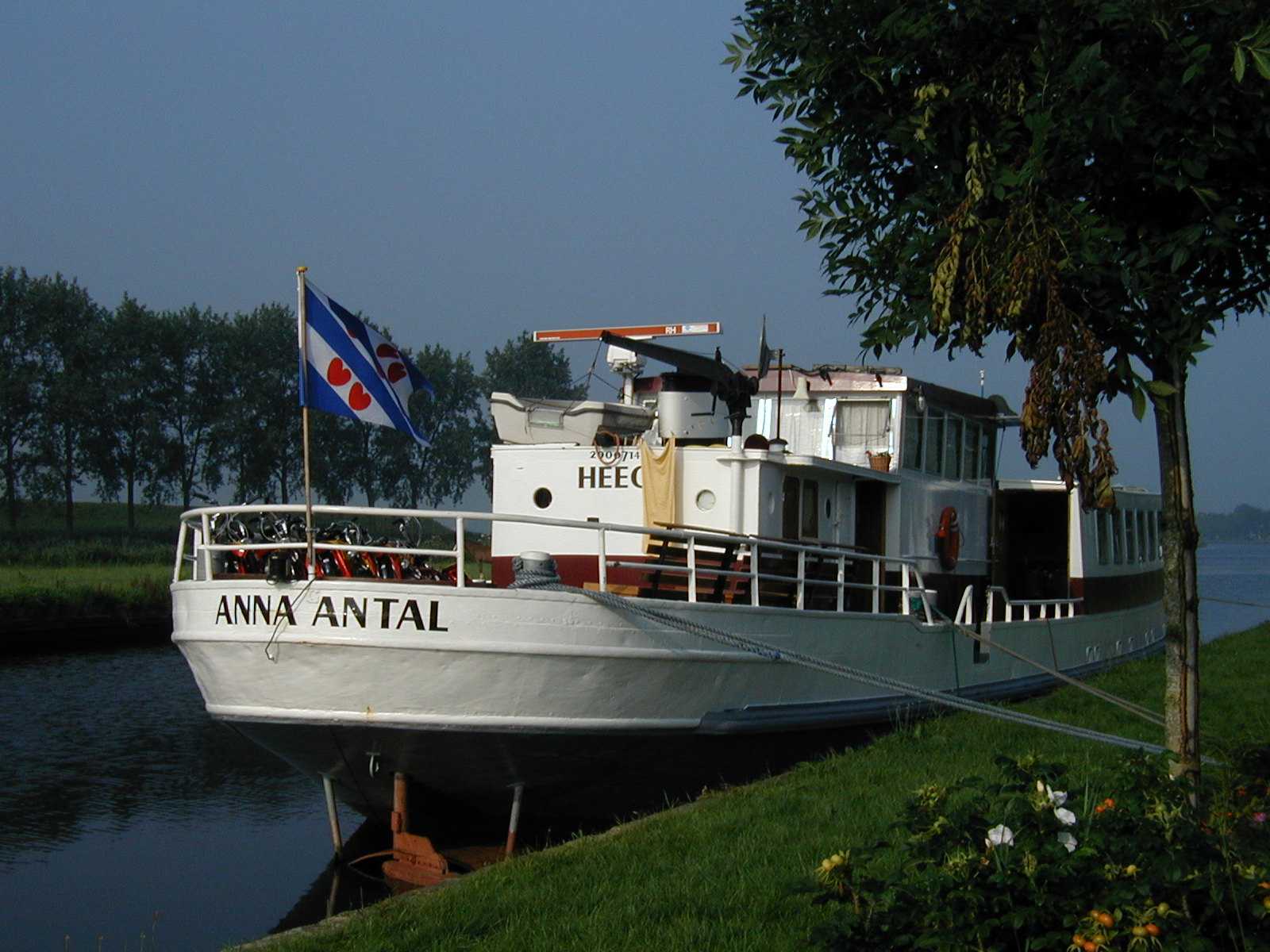
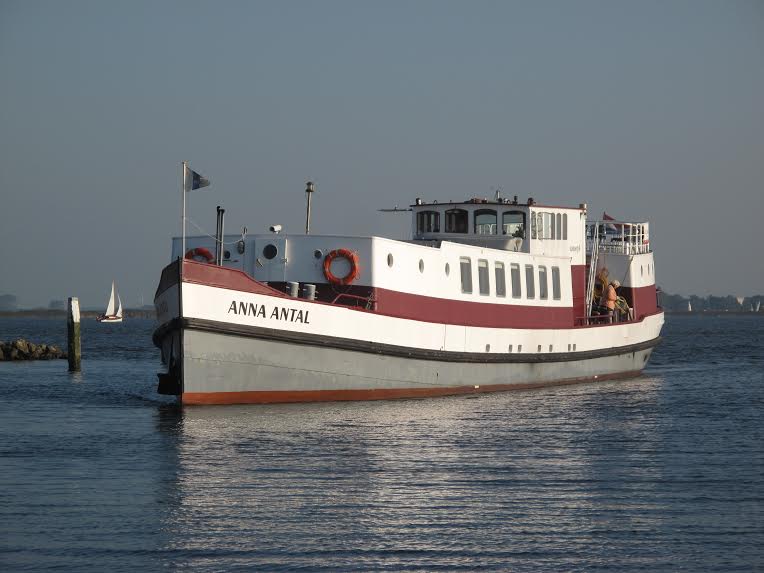
- Anna Antal
Standard Class Barge
Touring BicycleElectric Bicycle (E-Bike)![]() Oxford Touring Bicycle … • 24 speeds … • Handbrakes … • Step-through frame: for passengers from 4'11 to 5'10 / 150 cm - 178 cm … • Men's frame: for passengers from 4'11 to 6'8 / 150 cm - 203 cm … •… Read More
Oxford Touring Bicycle … • 24 speeds … • Handbrakes … • Step-through frame: for passengers from 4'11 to 5'10 / 150 cm - 178 cm … • Men's frame: for passengers from 4'11 to 6'8 / 150 cm - 203 cm … •… Read More![]() Freebike … • 7 speeds … • Handbrakes … • With integrated battery … • For passengers from 5'1 to 6'6 / 155 cm - 198 cm … Accessories … • Pannier bag … • Bike helmet … • Bike lock … • Water bottle … Read More
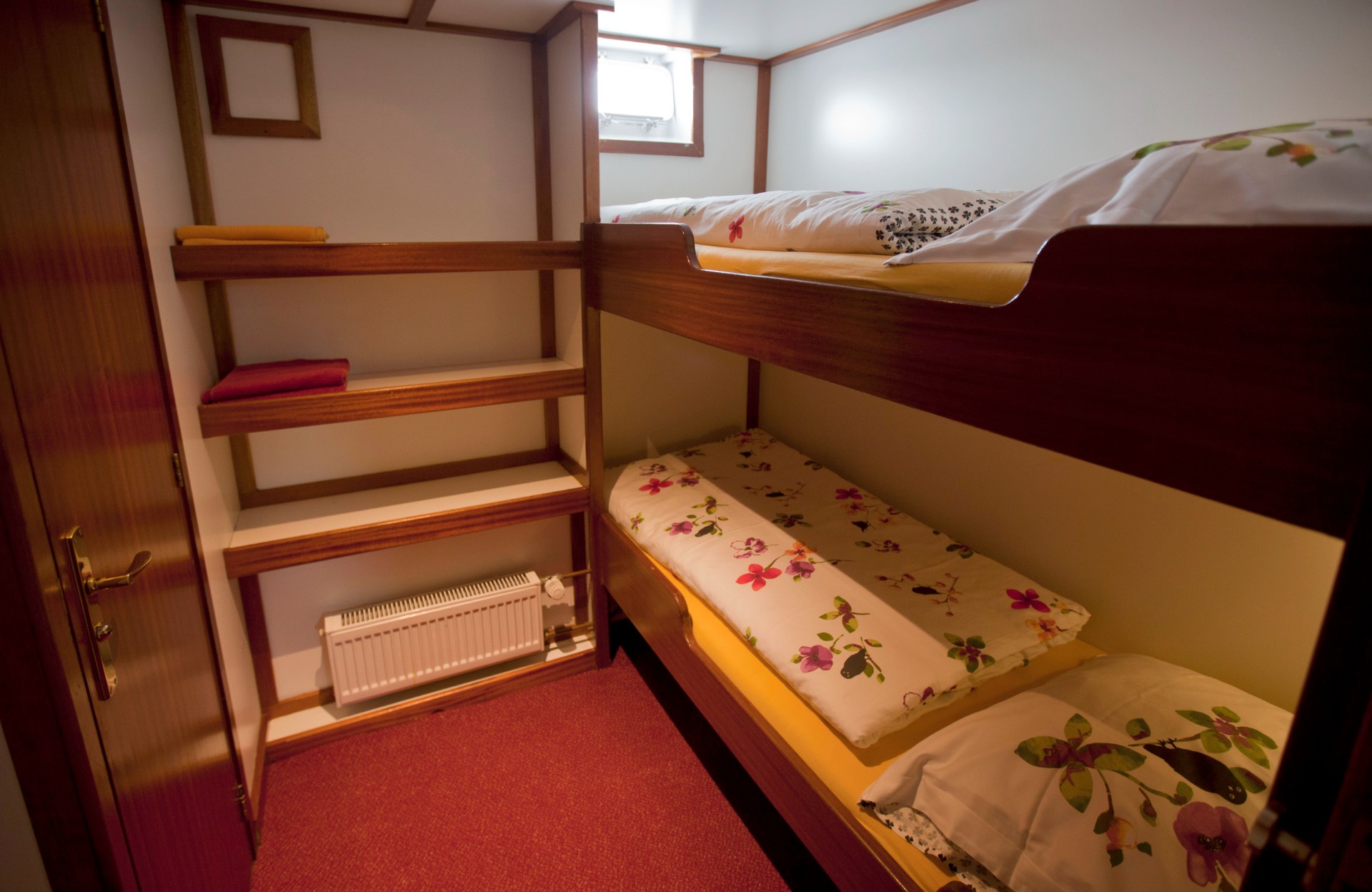
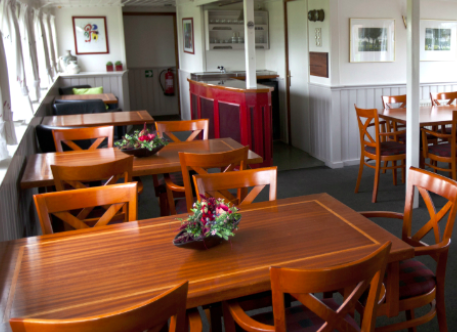
Freebike … • 7 speeds … • Handbrakes … • With integrated battery … • For passengers from 5'1 to 6'6 / 155 cm - 198 cm … Accessories … • Pannier bag … • Bike helmet … • Bike lock … • Water bottle … Read MoreThe Anna Antal is the perfect vessel for those seeking an active bike and boat vacation providing comfortable accommodations and all the amenities that the the more luxurious vessels offer; great food, expert tour guides, hospitable crew, and fantastic cycling! Read More
- Wending
Standard Class Barge
Touring BicycleElectric Bicycle (E-Bike)![]() Oxford Touring Bicycle … • 24 speeds … • Handbrakes … • Step-through frame: for passengers from 4'11 to 5'10 / 150 cm - 178 cm … • Men's frame: for passengers from 4'11 to 6'8 / 150 cm - 203 cm … •… Read More
Oxford Touring Bicycle … • 24 speeds … • Handbrakes … • Step-through frame: for passengers from 4'11 to 5'10 / 150 cm - 178 cm … • Men's frame: for passengers from 4'11 to 6'8 / 150 cm - 203 cm … •… Read More![]() Freebike … • 7 speeds … • Handbrakes … • With integrated battery … • For passengers from 5'1 to 6'6 / 155 cm - 198 cm … Acessories … • Pannier bag … • Bike helmet … • Bike lock … • Water bottle … Read More
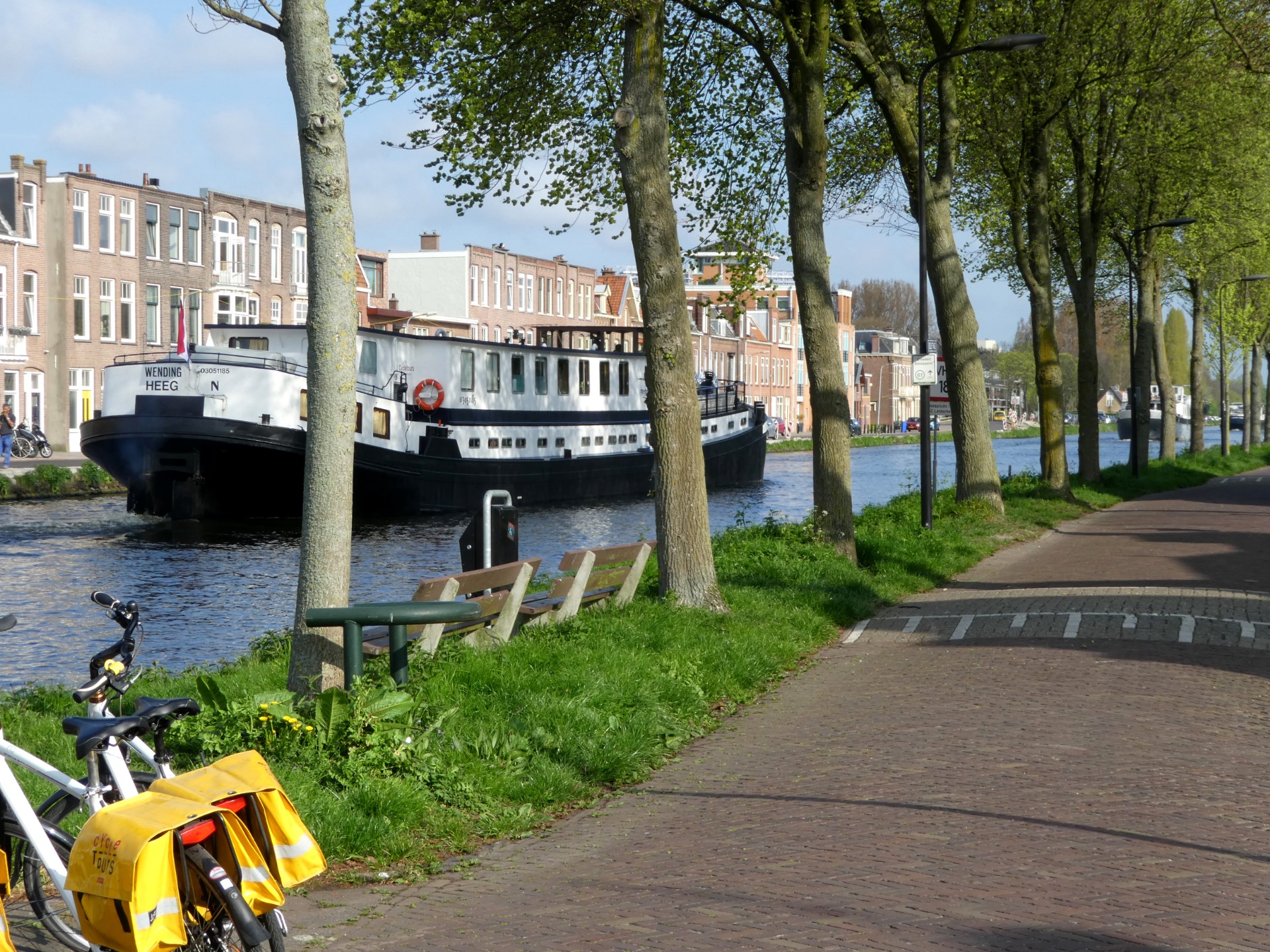
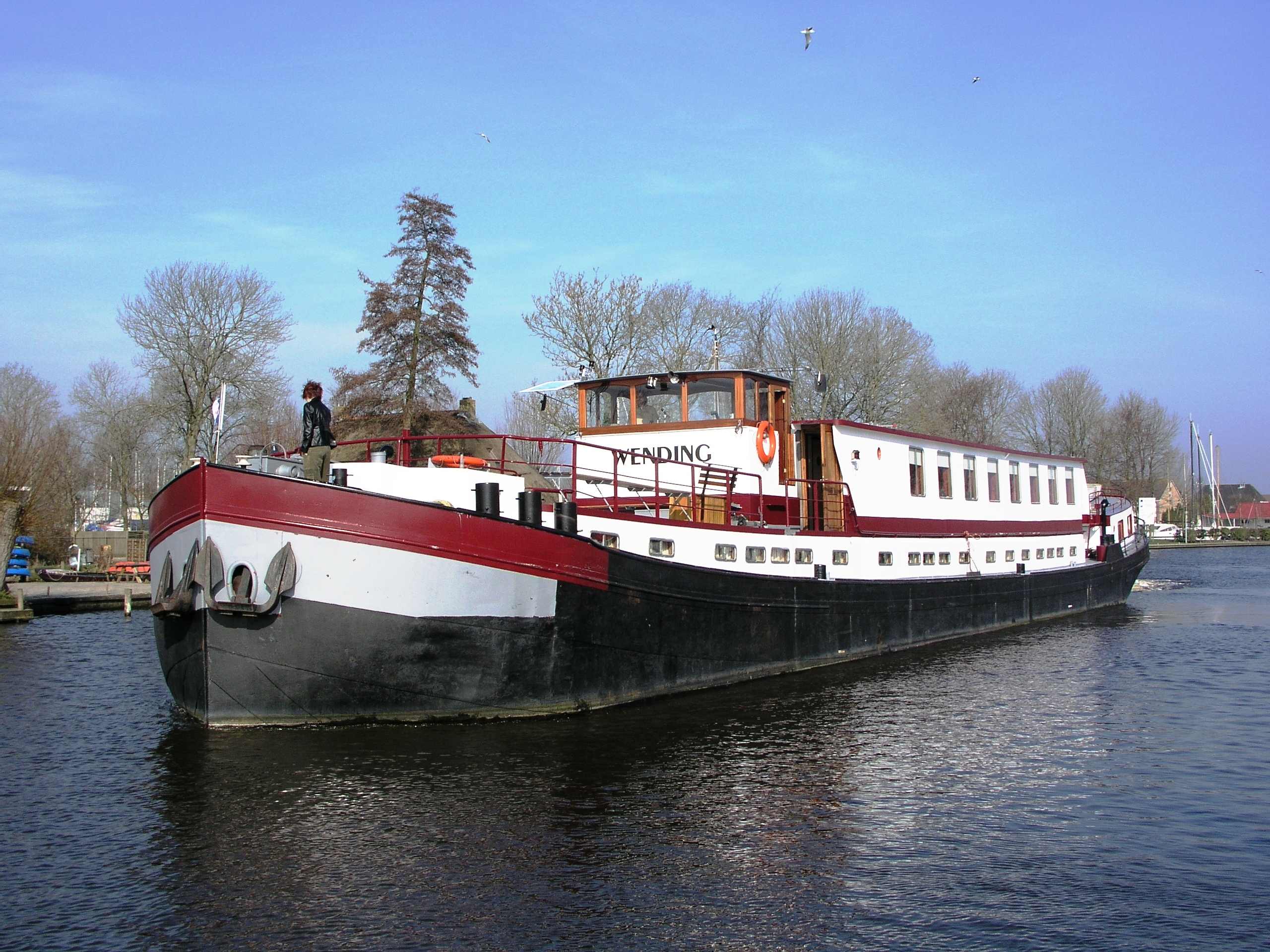
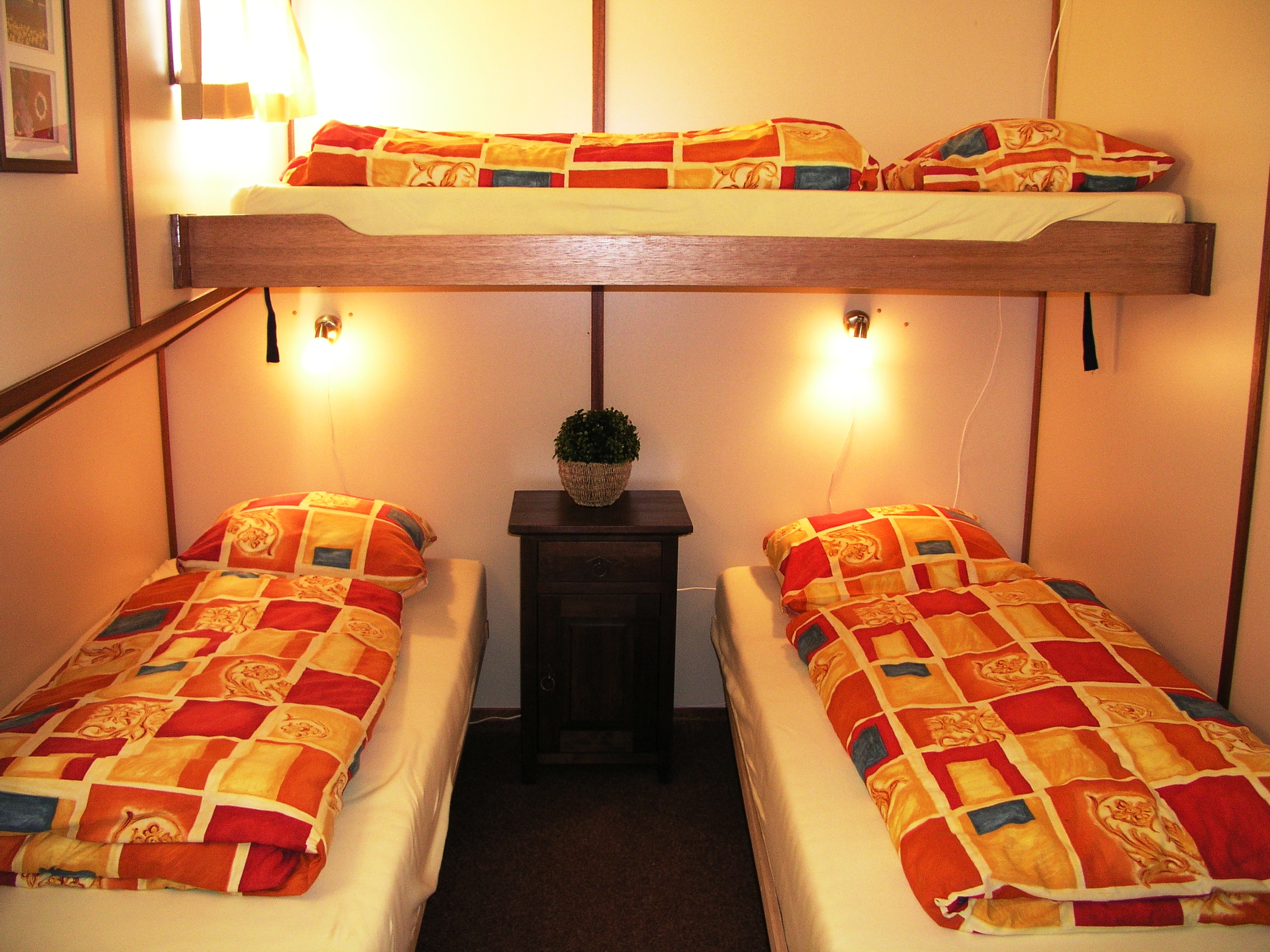
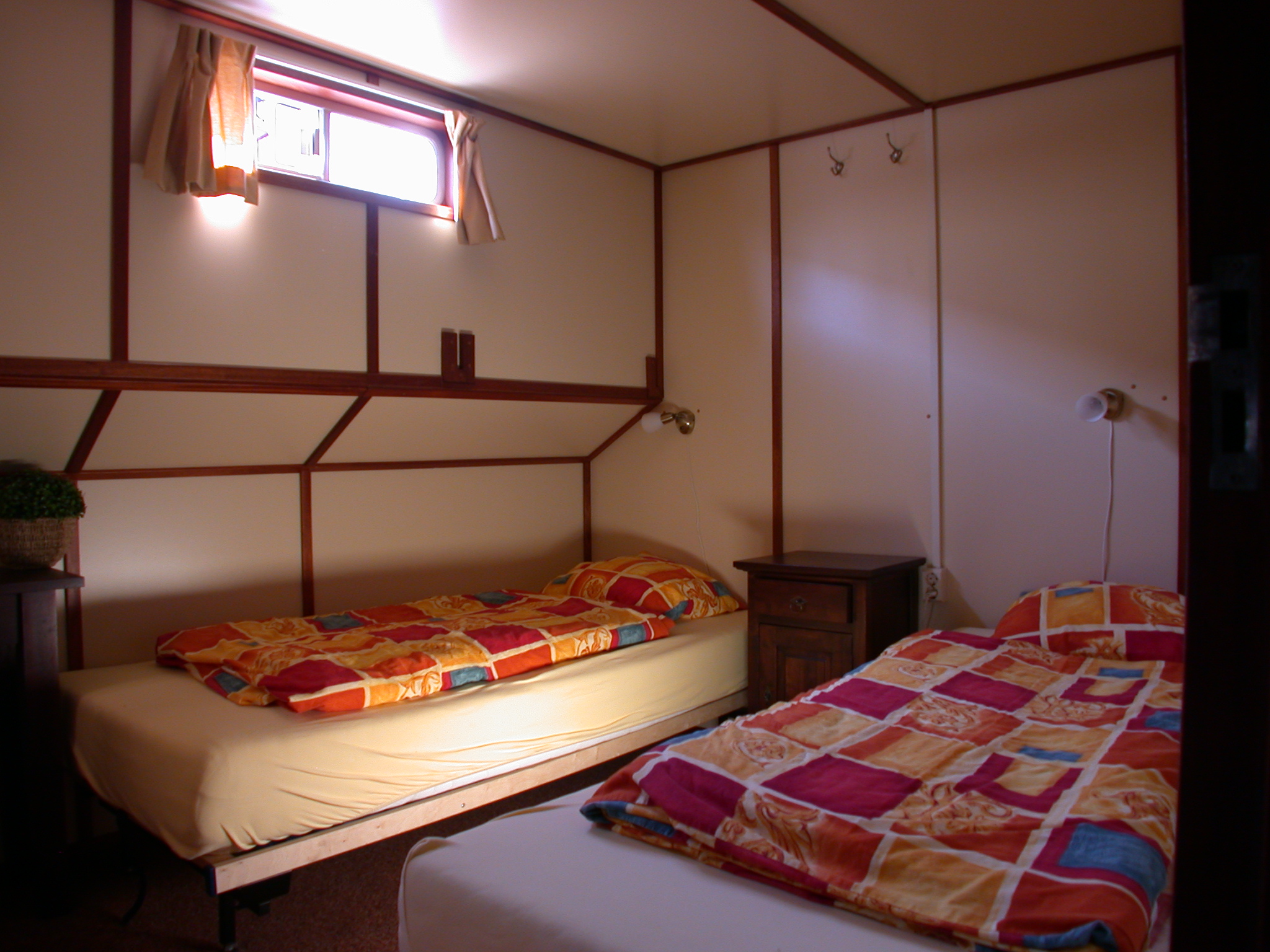
Freebike … • 7 speeds … • Handbrakes … • With integrated battery … • For passengers from 5'1 to 6'6 / 155 cm - 198 cm … Acessories … • Pannier bag … • Bike helmet … • Bike lock … • Water bottle … Read MoreThe Wending is a former freight barge that was converted into a passenger motor barge in the early nineties and faithfully maintained since. The barge has a spacious salon equipped with a television and music installation. It is a great place to relax after a fulfilling day of cycling. Read More
Inclusions
What’s Included
- Accommodation for 7 nights aboard the selected vessel
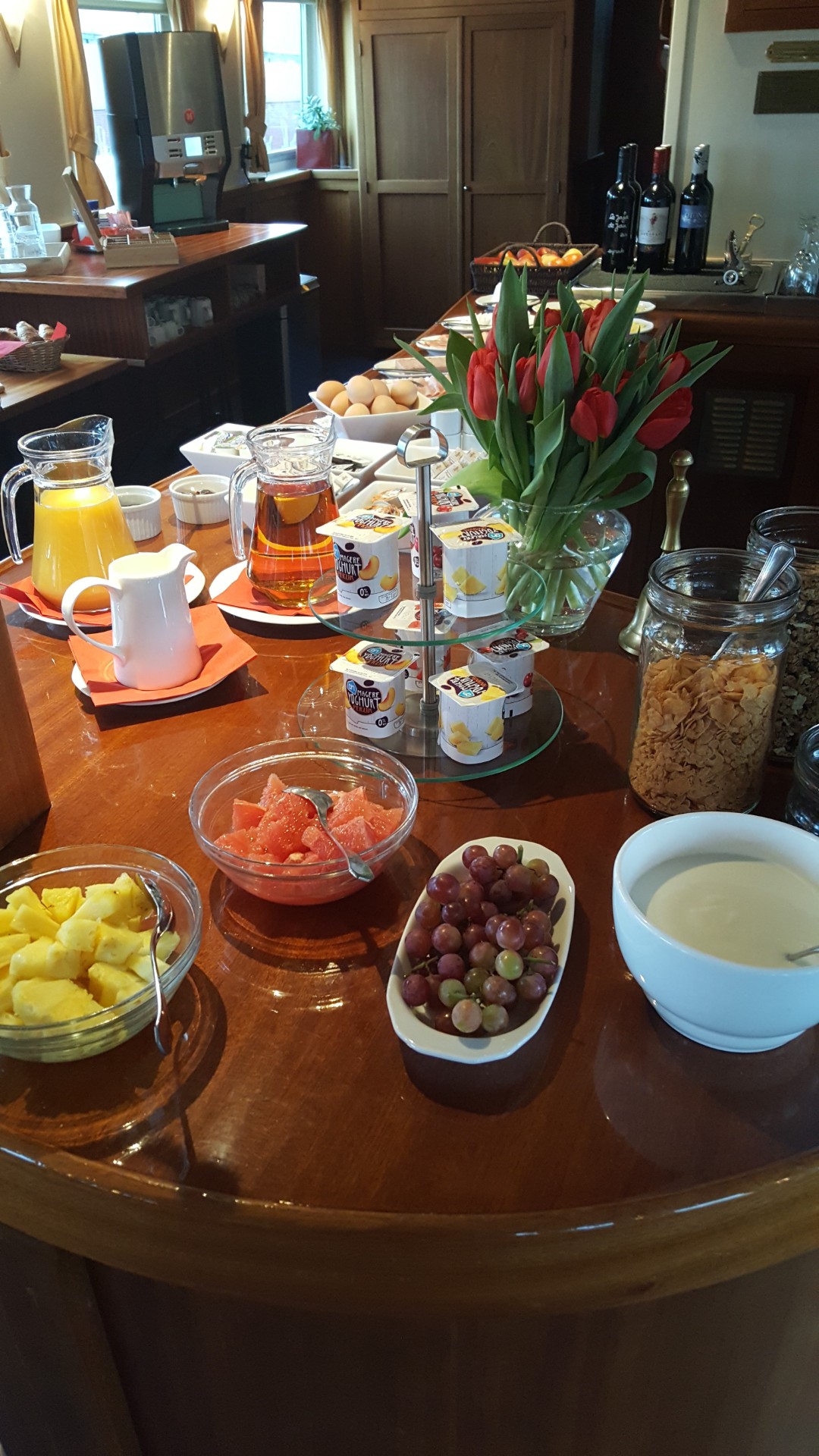
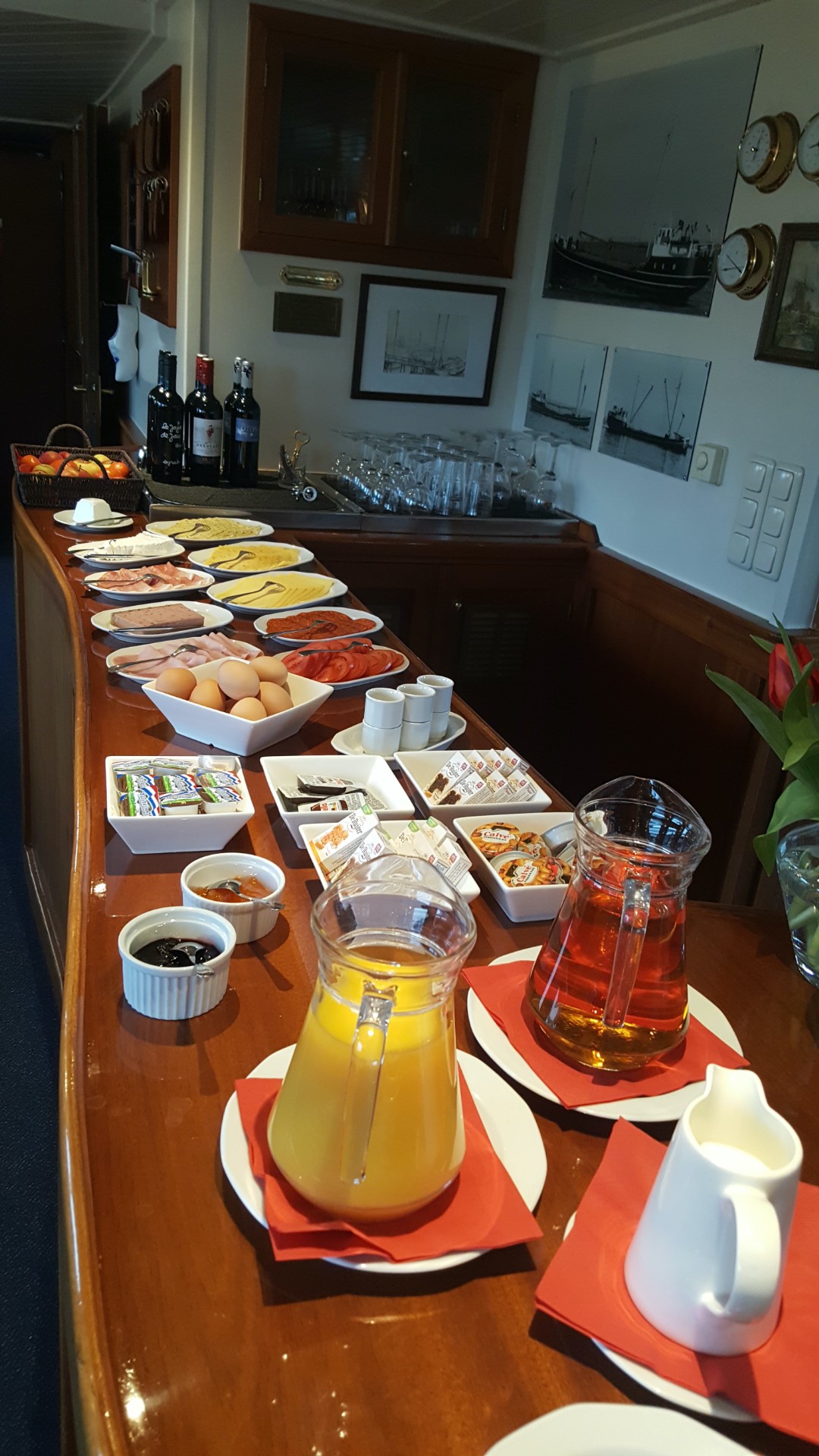
- Breakfast buffets, packed lunches, & 7 three-course dinners
- Coffee & tea on board
- Welcome meeting & tour presentation
- 24-speed touring bike
- Bike Protection
- Bike accessories: Pannier bag, helmet, lock, water bottle
- Multilingual tour guide (cycles with group)
- Minimum of 3 city walks with the tour guide
- Ferry fares en route
- Roadbook (one per cabin)
- GPS tracks on request
- Entrance fee to the Keukenhof, including the fee for public transportation
- Free limited WiFi (up to 100 MB) in the lounge & on deck
What’s Not Included
- Soft drinks & alcoholic beverages (available for purchase)
- Museum entrance fees, approximately €25 per tour
- Surcharge for gluten-free, celiac, & vegan diets (see pricing)
- Gratuities
- Travel Insurance
Dates & Pricing
Dates & Pricing
2024
Comfort Class
Liza Marleen
Thursday departures
Standard season: April 4 & May 2, 2024Standard Twin $ 2725 £ 1411 $ 2,421 € 1620 kr 248686 ₪ 6592 ¥ 270752 Mex$ 29335 NZ$ 2974 NOK 19196 zł 7114 S$ 2393 kr 19100 $ 1,756 Superior twin $ 3112 £ 1611 $ 2,764 € 1850 kr 283994 ₪ 7528 ¥ 309192 Mex$ 33500 NZ$ 3397 NOK 21922 zł 8124 S$ 2733 kr 21811 $ 2,005 Superior triple $ 2524 £ 1306 $ 2,241 € 1500 kr 230265 ₪ 6104 ¥ 250696 Mex$ 27162 NZ$ 2754 NOK 17774 zł 6587 S$ 2216 kr 17685 $ 1,626 Single $ 3802 £ 1968 $ 3,377 € 2260 kr 346933 ₪ 9197 ¥ 377715 Mex$ 40924 NZ$ 4149 NOK 26780 zł 9924 S$ 3339 kr 26645 $ 2,449 Standard Class
Thursday departures
Standard season: April 4, 2024
High season: April 11, April 18, & April 25, 2024Standard High Twin $ 2505 £ 1296 $ 2,225 € 1489 kr 228577 ₪ 6059 ¥ 248858 Mex$ 26963 NZ$ 2734 NOK 17644 zł 6538 S$ 2200 kr 17555 $ 1,614 $ 2717 £ 1406 $ 2,413 € 1615 kr 247919 ₪ 6572 ¥ 269916 Mex$ 29244 NZ$ 2965 NOK 19137 zł 7092 S$ 2386 kr 19041 $ 1,750 Bunk Bed $ 2170 £ 1123 $ 1,927 € 1290 kr 198028 ₪ 5250 ¥ 215599 Mex$ 23359 NZ$ 2368 NOK 15286 zł 5665 S$ 1906 kr 15209 $ 1,398 $ 2338 £ 1210 $ 2,077 € 1390 kr 213379 ₪ 5656 ¥ 232312 Mex$ 25170 NZ$ 2552 NOK 16471 zł 6104 S$ 2053 kr 16388 $ 1,506 Bunk bed for single use $ 2717 £ 1406 $ 2,413 € 1615 kr 247919 ₪ 6572 ¥ 269916 Mex$ 29244 NZ$ 2965 NOK 19137 zł 7092 S$ 2386 kr 19041 $ 1,750 $ 2961 £ 1532 $ 2,630 € 1760 kr 270178 ₪ 7162 ¥ 294150 Mex$ 31870 NZ$ 3231 NOK 20855 zł 7728 S$ 2600 kr 20750 $ 1,907 Thursday departures
Standard season: April 4, 2024
High season: April 11, 2024Standard High Twin $ 2505 £ 1296 $ 2,225 € 1489 kr 228577 ₪ 6059 ¥ 248858 Mex$ 26963 NZ$ 2734 NOK 17644 zł 6538 S$ 2200 kr 17555 $ 1,614 $ 2717 £ 1406 $ 2,413 € 1615 kr 247919 ₪ 6572 ¥ 269916 Mex$ 29244 NZ$ 2965 NOK 19137 zł 7092 S$ 2386 kr 19041 $ 1,750 Twin /single-use $ 3112 £ 1611 $ 2,764 € 1850 kr 283994 ₪ 7528 ¥ 309192 Mex$ 33500 NZ$ 3397 NOK 21922 zł 8124 S$ 2733 kr 21811 $ 2,005 $ 3356 £ 1737 $ 2,981 € 1995 kr 306253 ₪ 8118 ¥ 333426 Mex$ 36125 NZ$ 3663 NOK 23640 zł 8760 S$ 2947 kr 23521 $ 2,162 Triple $ 2364 £ 1223 $ 2,099 € 1405 kr 215682 ₪ 5718 ¥ 234819 Mex$ 25442 NZ$ 2580 NOK 16649 zł 6170 S$ 2076 kr 16565 $ 1,523 $ 2566 £ 1328 $ 2,279 € 1525 kr 234103 ₪ 6206 ¥ 254874 Mex$ 27615 NZ$ 2800 NOK 18071 zł 6697 S$ 2253 kr 17980 $ 1,653 Extra Options
Electric bicycle rental (Liza Marleen, Wending, & Anna Antal)
$ 185 £ 96 $ 164 € 110 kr 16886 ₪ 448 ¥ 18384 Mex$ 1992 NZ$ 202 NOK 1303 zł 483 S$ 163 kr 1297 $ 119
Gluten-free/lactose-free/vegan diet (advanced reservation required)
$ 126 £ 65 $ 112 € 75 kr 11513 ₪ 305 ¥ 12535 Mex$ 1358 NZ$ 138 NOK 889 zł 329 S$ 111 kr 884 $ 81
Children's discounts are offered:
0 - 2 years- free of charge
3 - 11: 30% of base tour priceAs well as Tag-along bike with helmet (ages 5 -9), bike seat with helmet (ages 11 mos. - 5 years), bike trailer, & 21 speed child's bike with helmet (ages 9+)
Please note that the tour prices are based on the current fuel price. Should the fuel price increase more than 5% (reference date May 2023), a supplement will be required (even for confirmed reservations).
Please Note
- Rates are per person, based on double occupancy
- Tour prices are based on the fuel costs at time prices are set, often months or years in advance. In rare cases, additional fees may apply for fuel cost increases.
- Information to read before you book
- We recommend purchasing trip insurance
- Please see our FAQ
Extra Info
Skill Level — Easy
Easy, guided tour with variable cycling distances per day in and around interesting cities and towns.
Airport Info
Fly to Amsterdam Schiphol International Airport (AMS)
Local Travel
There is a direct train that leaves 6 times per hour from the airport to Amsterdam Central Station. It takes about 16 minutes. The price for a train ticket Schiphol-Amsterdam Central is €4,20 per person for a single journey. The barge will be moored at the Oosterdock. Walking distance to the barge is about 10 to 15 minutes. A taxi from the airport to the barge in Amsterdam takes about 30 minutes and costs approximately €45. If you wish to take a taxi from the central train station to the barge it will only take about 5 minutes and will cost approximately €10.
Climate
Tulip season in Holland extends from the end of March to the beginning of May but is dependent on temperatures and the weather. We cannot predict the weather (we wish we could) so we cannot predict when the peak season will be! Please check local conditions prior to arrival. Holland is near or below sea level and experiences a Maritime climate influenced by the North Sea and the Atlantic Ocean and has the perfect climate and soil for the Tulips. The Dutch have a saying “April doet wat hij wil”. It means that April does whatever it wishes to do. Keep this in mind as you pack for your cycling holiday. Though cooler in April, the sun does shine on average 177 hours. Don’t forget your layers and your rain gear!
Day of Rest
You can always stay on board and sail to the next stop.
Recommended
Important to know
Travel Documents
It is each traveler's responsibility to ensure that you are in compliance with the country or countries you plan to visit. This includes and is not limited to passport validity, visa requirements, and acquisition, blank passport pages required for your destination (s), etc.
US citizens: A good website to research the requirements of the Schengen Agreement and entry into other countries is travel.state.gov.
Non-EU and EU residents: Please research the requirements of your country of residence for international travel and your destination country or countries.
*Important note: Please check on the European Travel Information and Authorization System (ETIAS) status as once implemented, this will be required to visit any of the 26 Schengen-member countries for tourism, business, medical, or transit. This is an additional check on security rather than a visa.Extra Stay
If you would like to book extra days in Amsterdam to see all this vibrant city as to offer, we advise Booking.com for researching and reserving your extra nights. You can read a detailed description of the hotels offered including a clear listing of amenities, but more importantly, you can view customer reviews and ratings.
Tour Operator
This tour is run by Cycletours.
We value the strong relationship we have with our local partners and the services we provide.
We are not a broker.
We do not inflate tour prices.
We are simply travelers helping travelers.Would you like to learn more About Us? How about What Makes Us Different than other companies?
Photos
![Tulip fields in South Holland, the Netherlands. ©Hollandfotograaf]()
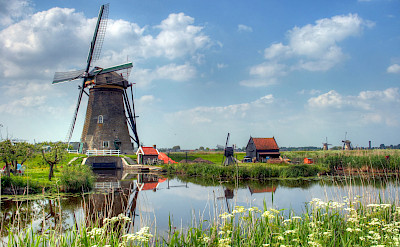
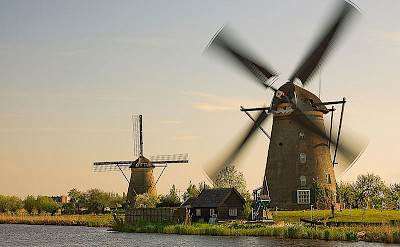
![Windmills aplenty in Kinderdijk, the Netherlands. Flickr:John Morgan]()
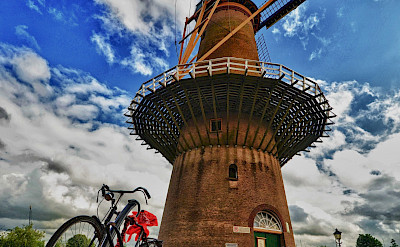
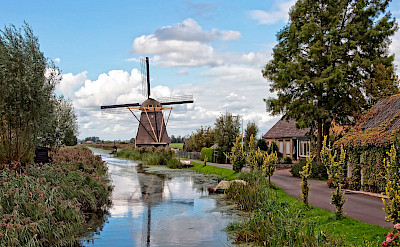
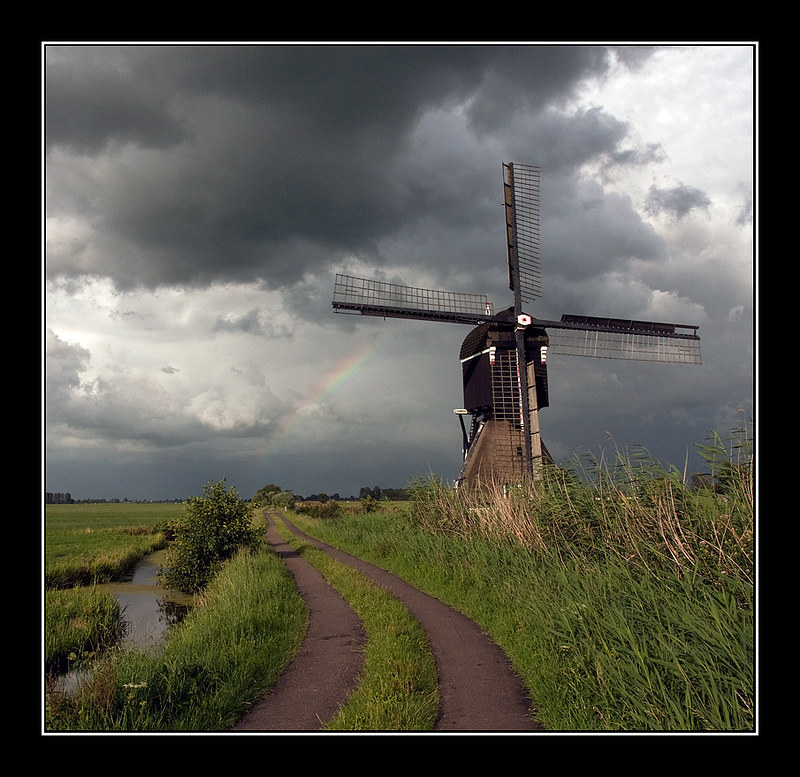
![Windmill near Rotterdam, South Holland, the Netherlands. Fickr:Luca Bolatti Guzzo]()
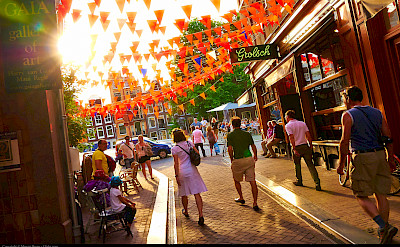
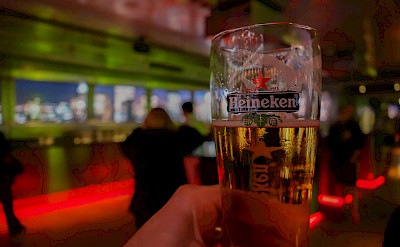
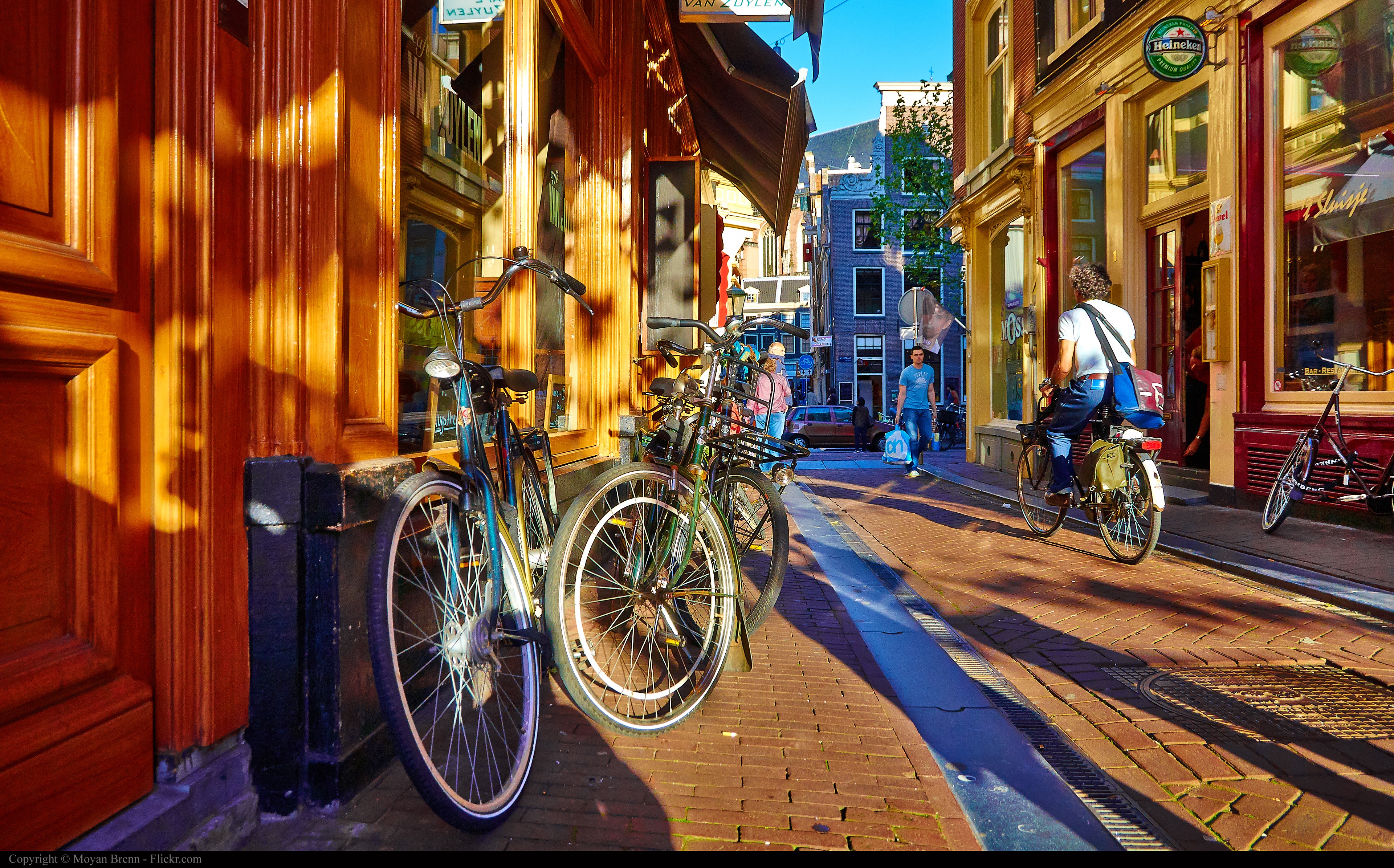
![Beer & biking in sunny Amsterdam, North Holland, the Netherlands. Flickr:Moyan Brenn]()
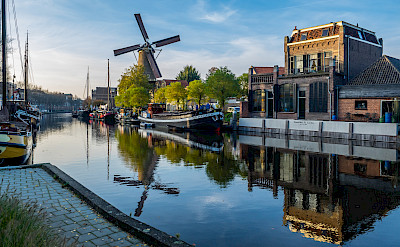
![Harbor and windmill in Gouda, South Holland, the Netherlands. Flickr:Frans Berkelaar]()
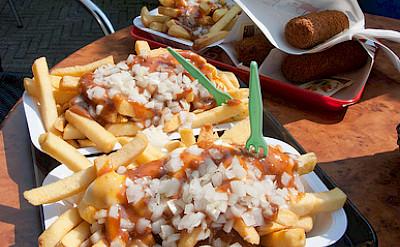
![Dutch fries with curry ketchup, onions and "kroketten." Flickr:vitamindave]()
![Cheese market "Kaasmarkt" in Gouda. Flickr:bert knottenbeld]()
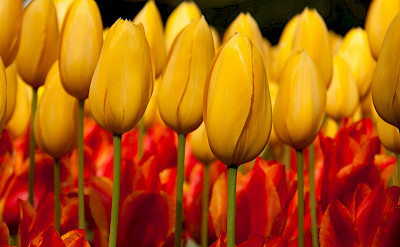
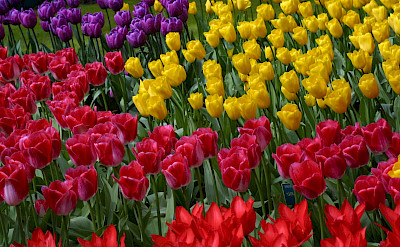
![Tulips in the Keukenhof, near Lisse, South Holland, the Netherlands. Flickr:Hans Splinter]()
![Bike rest in Amsterdam, North Holland, the Netherlands. Flickr:vgm8383]()
![Heineken in Amsterdam, Holland. Flickr:Brandon]()
![Windmill near Rotterdam, South Holland, the Netherlands. ©Hollandfotograaf]()
![Tulips at Keukenhof, near Lisse, South Holland, the Netherlands. Flickr:Lin Mei]()
![Windmills in Kinderdijk, South Holland, the Netherlands. CC:ESOPhoto]()
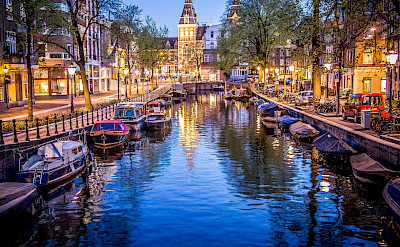
![Amsterdam boats in the canal all aglow. Flickr:Sergey Galyonkin]()
![The beauty of Keukenhof, near Lisse, South Holland, the Netherlands.]()
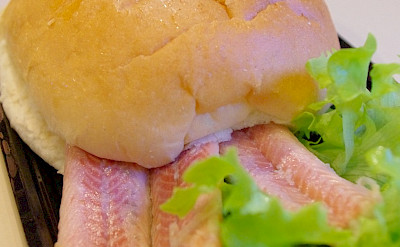
![Traditional herring sandwich in the Netherlands. Flickr:Tomoaki INABA]()
![Keukenhof is near Lisse, South Holland, the Netherlands. Flickr:Borkir Sigurbjornsson]()
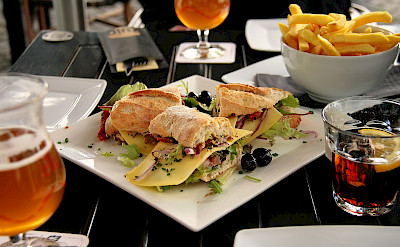
![Typical lunch in South Holland, the Netherlands. Flickr:Jorge Franganillo]()
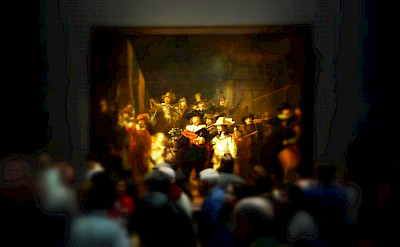
![Rembrandt's famous "Night Watch" in the Rijksmuseum, Amsterdam. Flickr:Neil Thompson]()
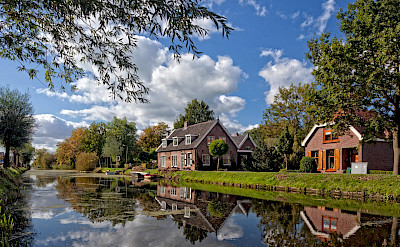
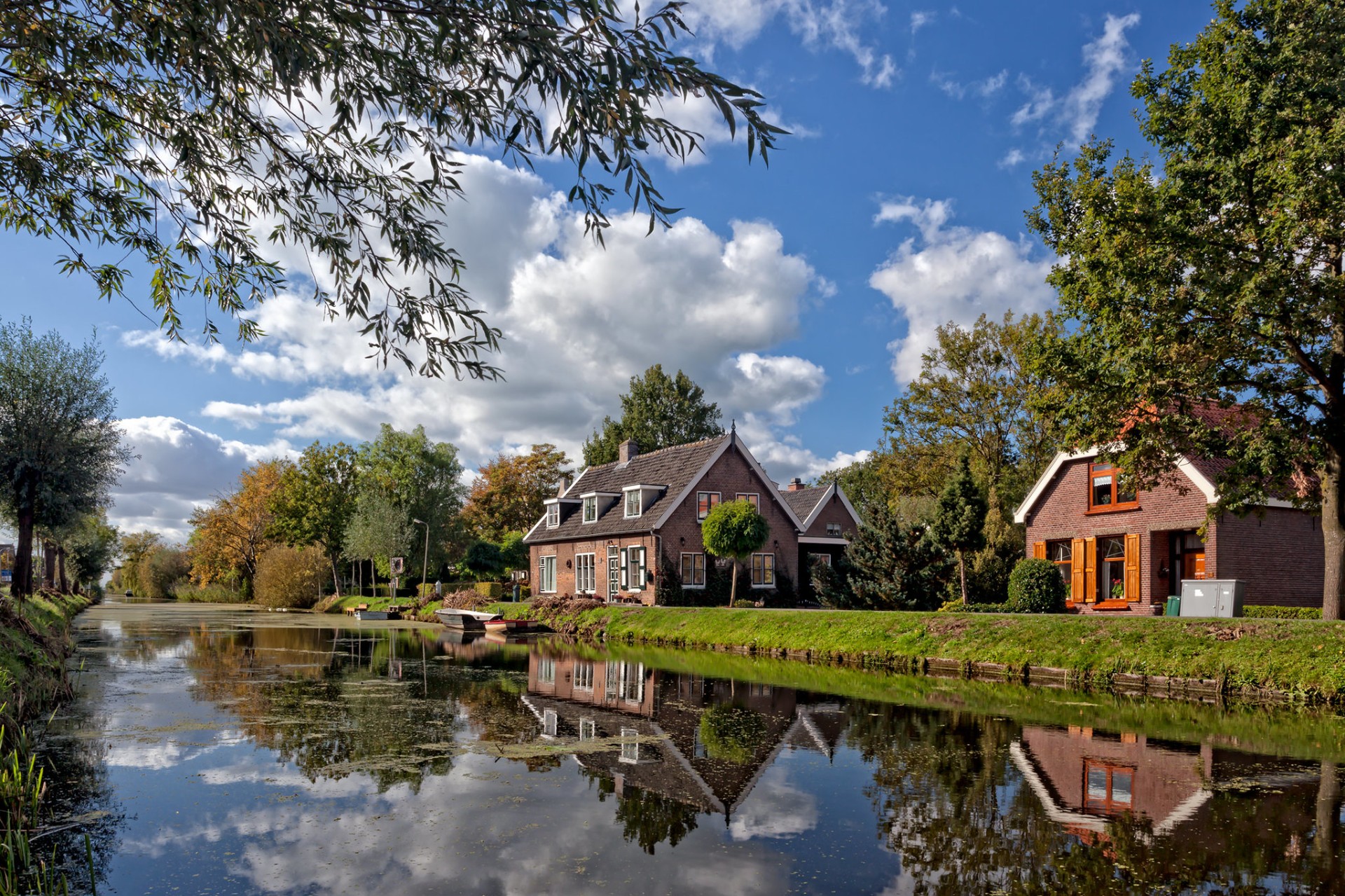
![Polderland of Alblasserwaard in South Holland, the Netherlands. ©Hollandfotograaf]()
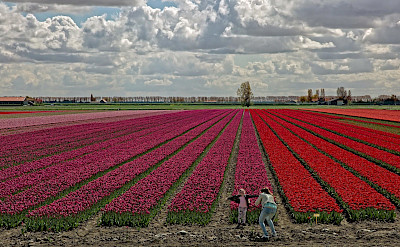
![Tulip fields in South Holland, the Netherlands. ©Hollandfotograaf]()
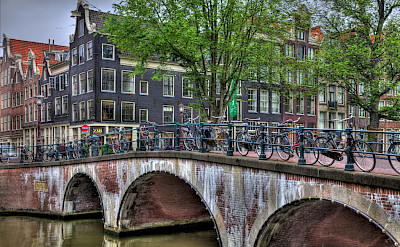
![Canals in Amsterdam, North Holland, the Netherlands. Flickr:Andres Nieto Porras]()
![The beautiful beaches and sand dunes in Katwijk, South Holland, the Netherlands. Flickr:David van der Mark]()
![Johannes Vermeer's painting of Delft dated 1660.]()
![Bike rest in Leiden, South Holland, the Netherlands. Flickr:Tambako the Jaguar]()
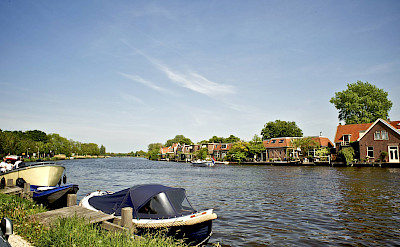
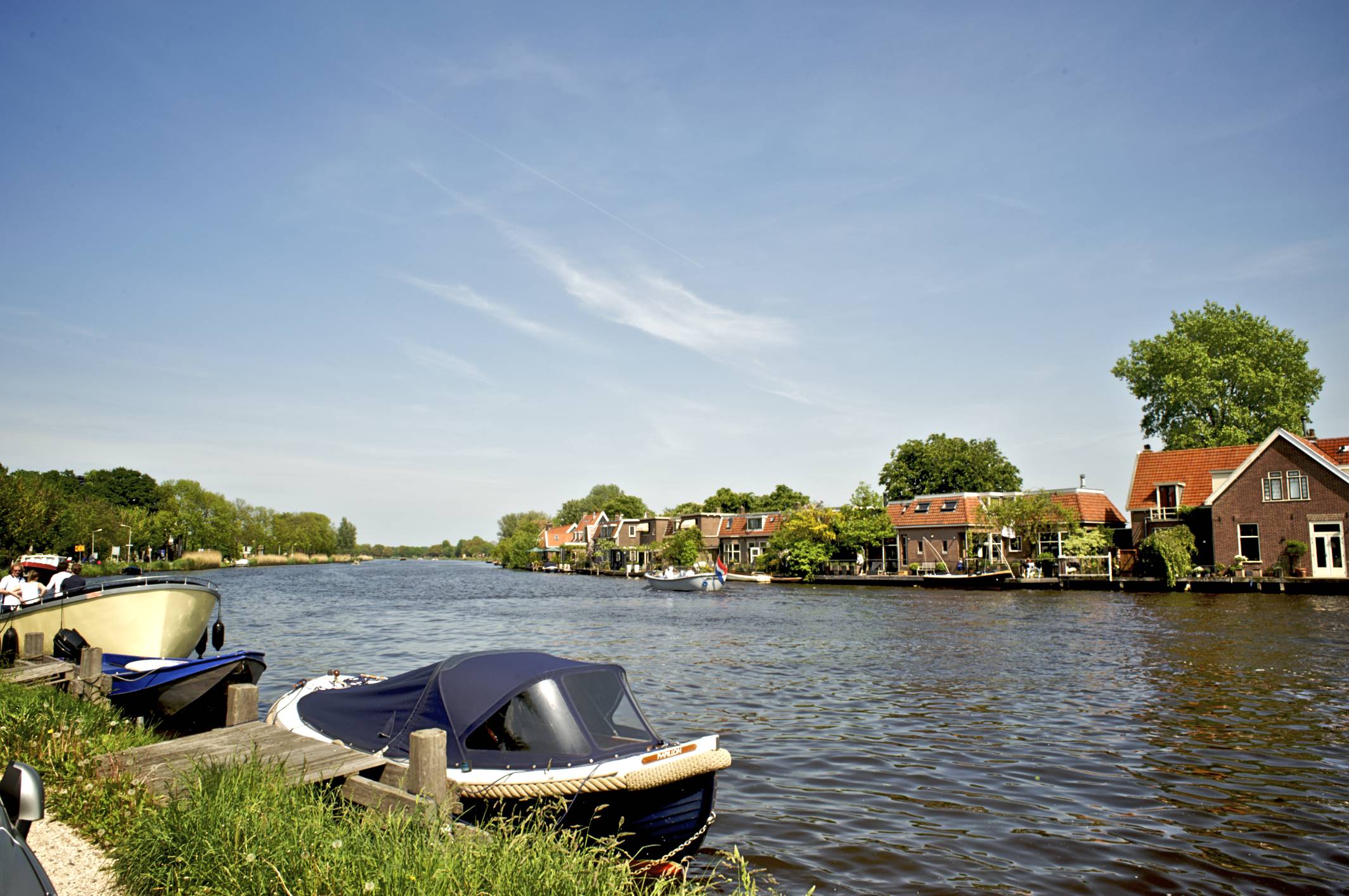
![Sailing through Ouderkerk, Holland. Flickr:Michell Zappa]()
![Tulips at the famous Keukenhof, Lisse, the Netherlands. Flickr:Michela Simoncini]()
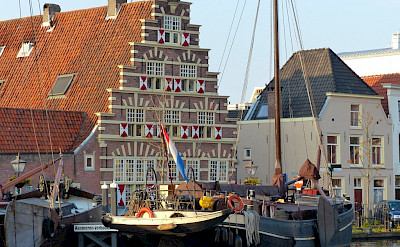
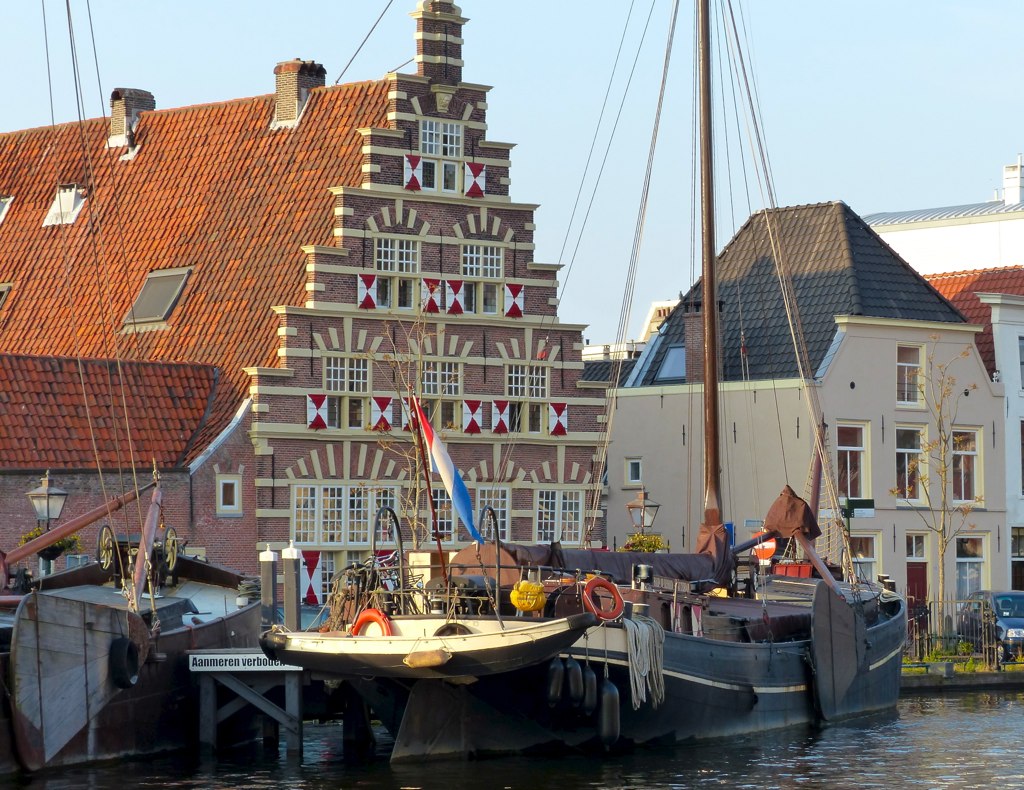
![Old Harbor in Leiden, South Holland, the Netherlands. Flickr:Roman Boed]()
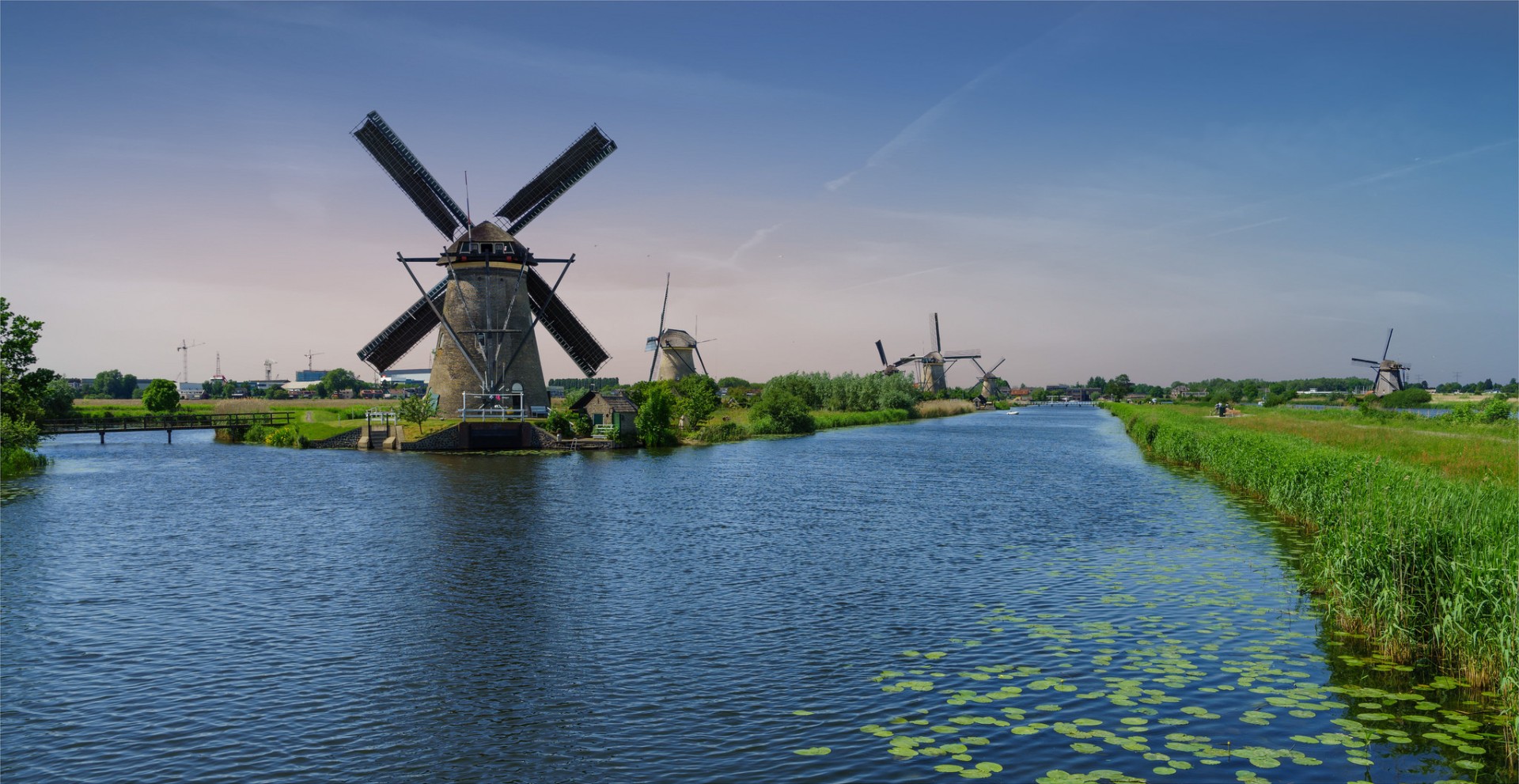
![The famous windmills of Kinderdijk, South Holland, the Netherlands. Flickr:Norbert Reimer]()
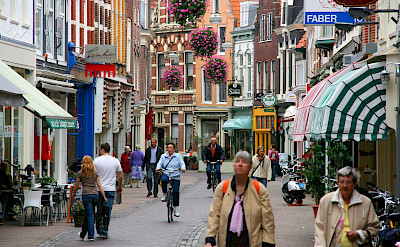
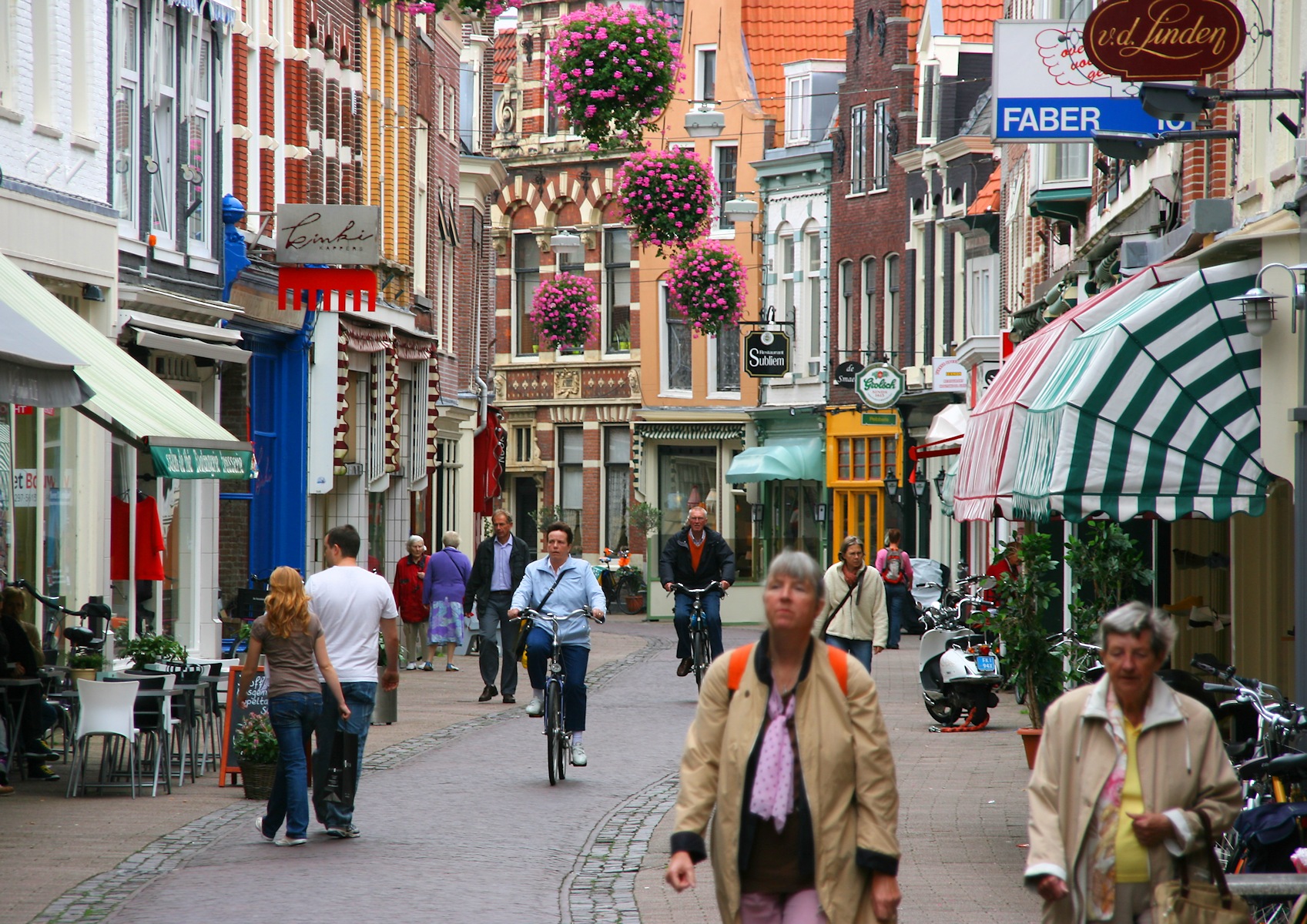
![Kleine Houtstraat in Haarlem, South Holland, the Netherlands. CC:Marek Slusarczyk]()
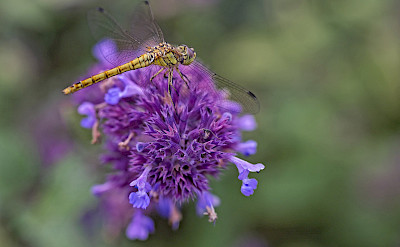
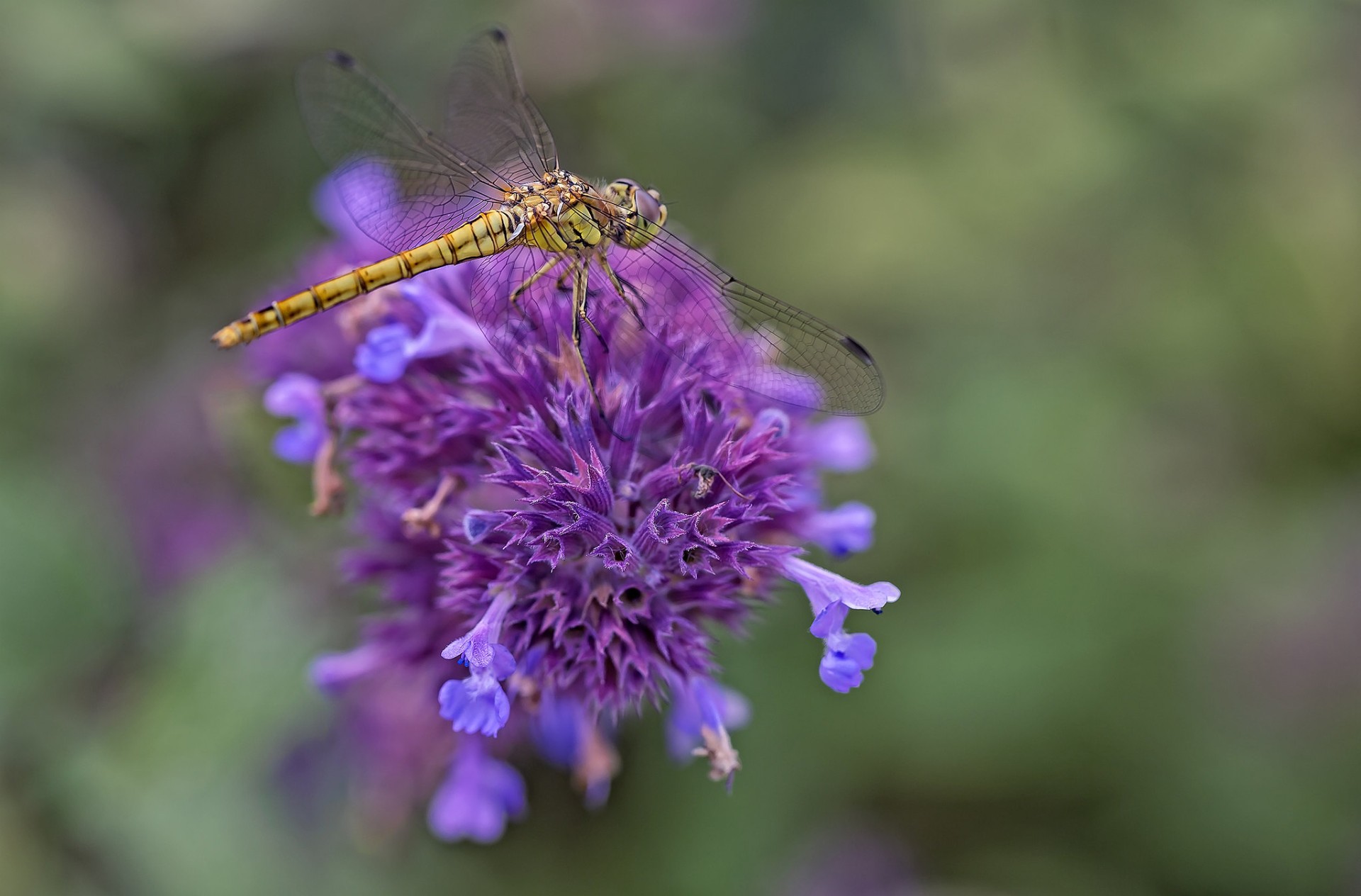
![Dragonflies in South Holland, the Netherlands. ©Hollandfotograaf]()
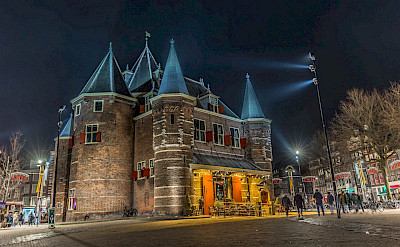
![Great architecture in Amsterdam, North Holland, the Netherlands. Flickr:not4rthur]()
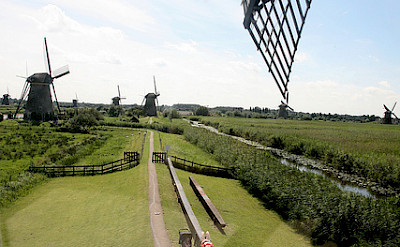
![Windmills of Kinderdijk, South Holland, the Netherlands. Flickr:bertknot]()
![<i>Kaaswinkeltje</i> in Gouda, South Holland, the Netherlands. Flickr:Norionakayama]()
![Sunset in Kinderdijk, South Holland, the Netherlands. Flickr:Jiuguang Wang]()
![Delft in South Holland, the Netherlands. Flickr:bert knottenbeld]()
![Biking in Alblasserwaard, South Holland, the Netherlands. ©Hollandfotograaf]()
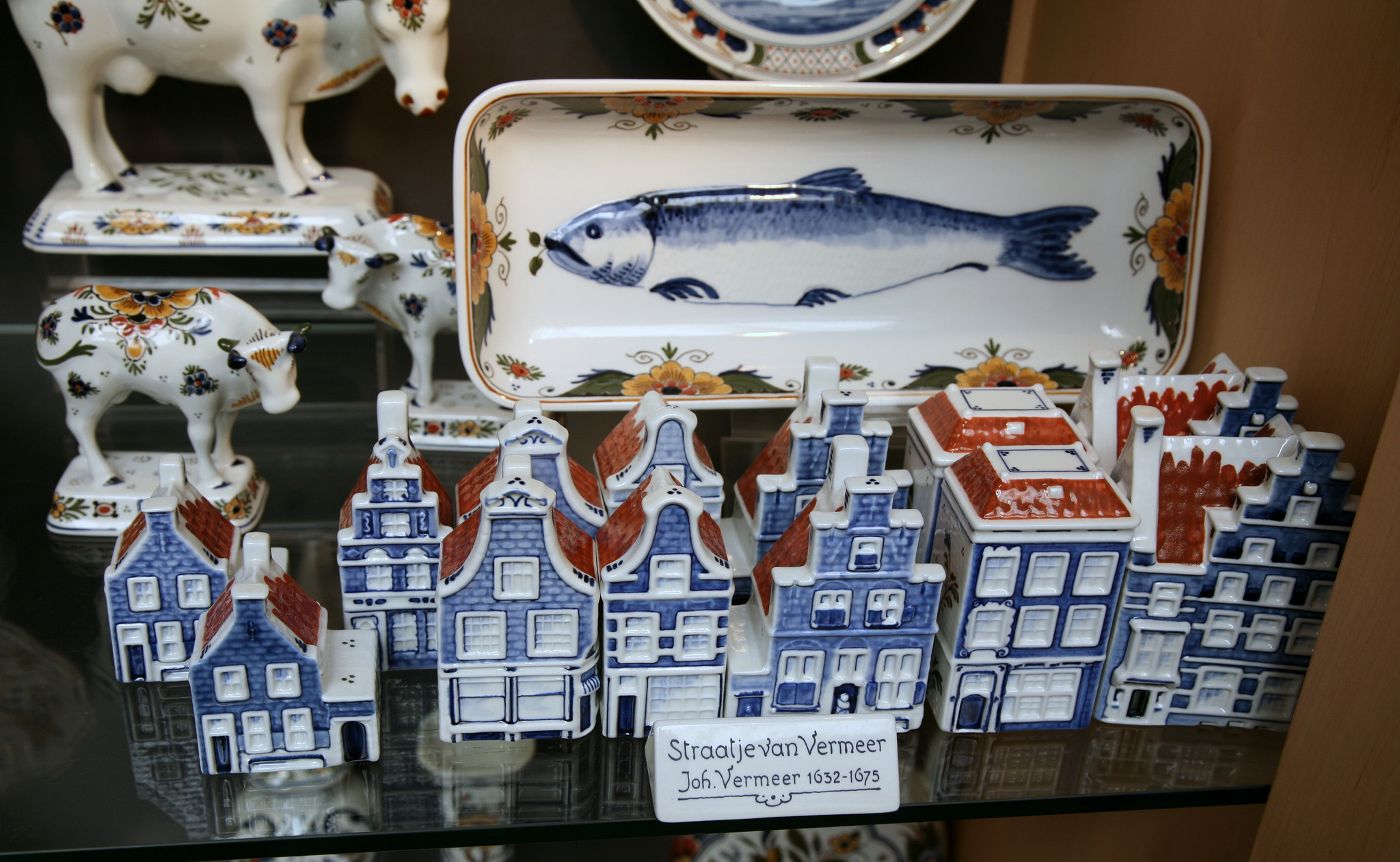
![Vermeer's street in Delft Blue, Delft, South Holland, the Netherlands. Flickr:bert knottenbeld]()
![Polderland of Alblasserwaard in South Holland, the Netherlands. ©Hollandfotograaf]()
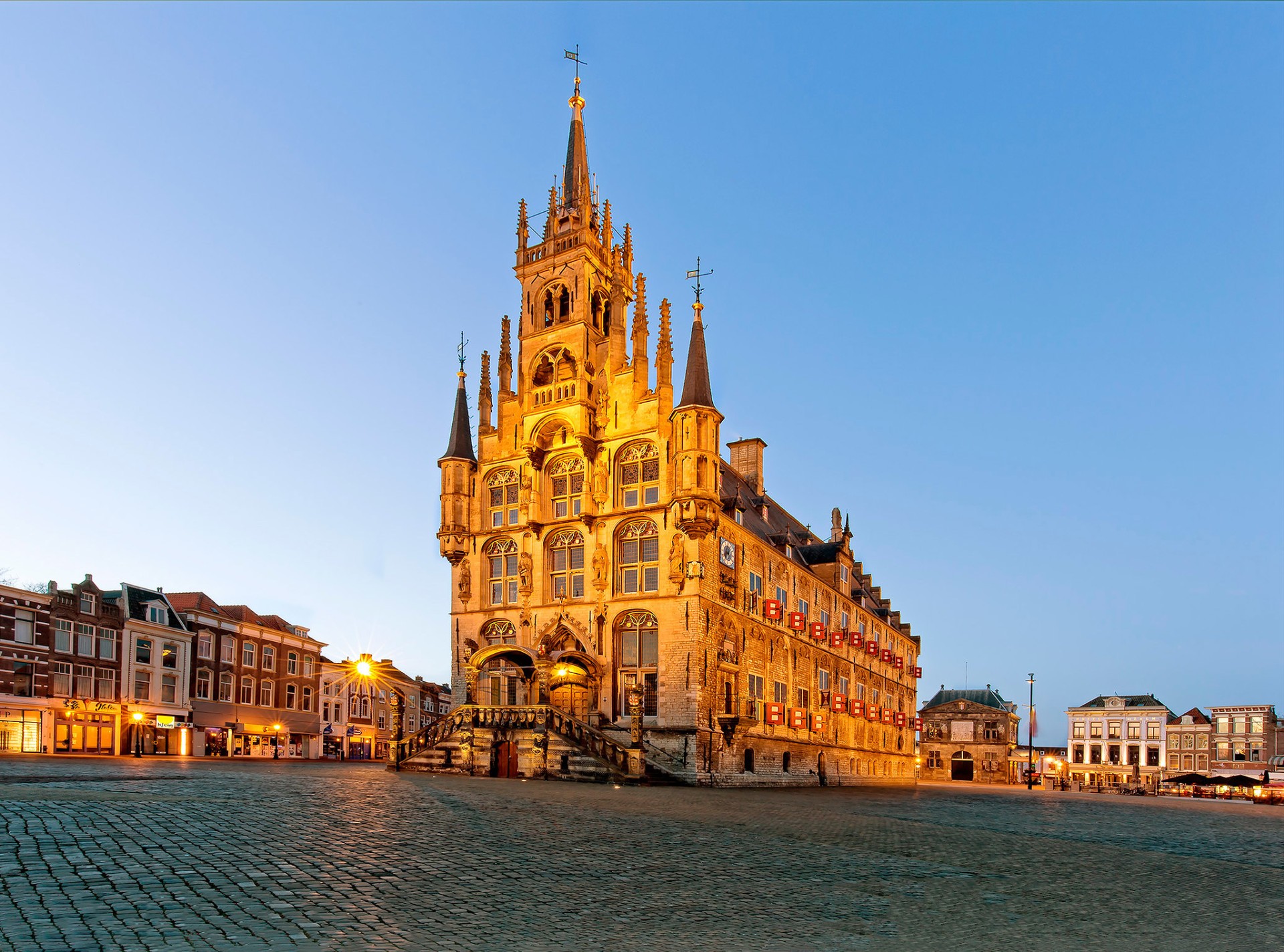
![City Hall in Gouda, South Holland, the Netherlands. ©Hollandfotograaf]()
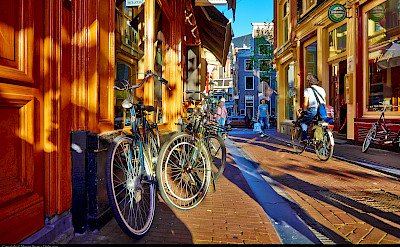
![Cycling in Amsterdam, where else? Flickr:Moyan brenn]()
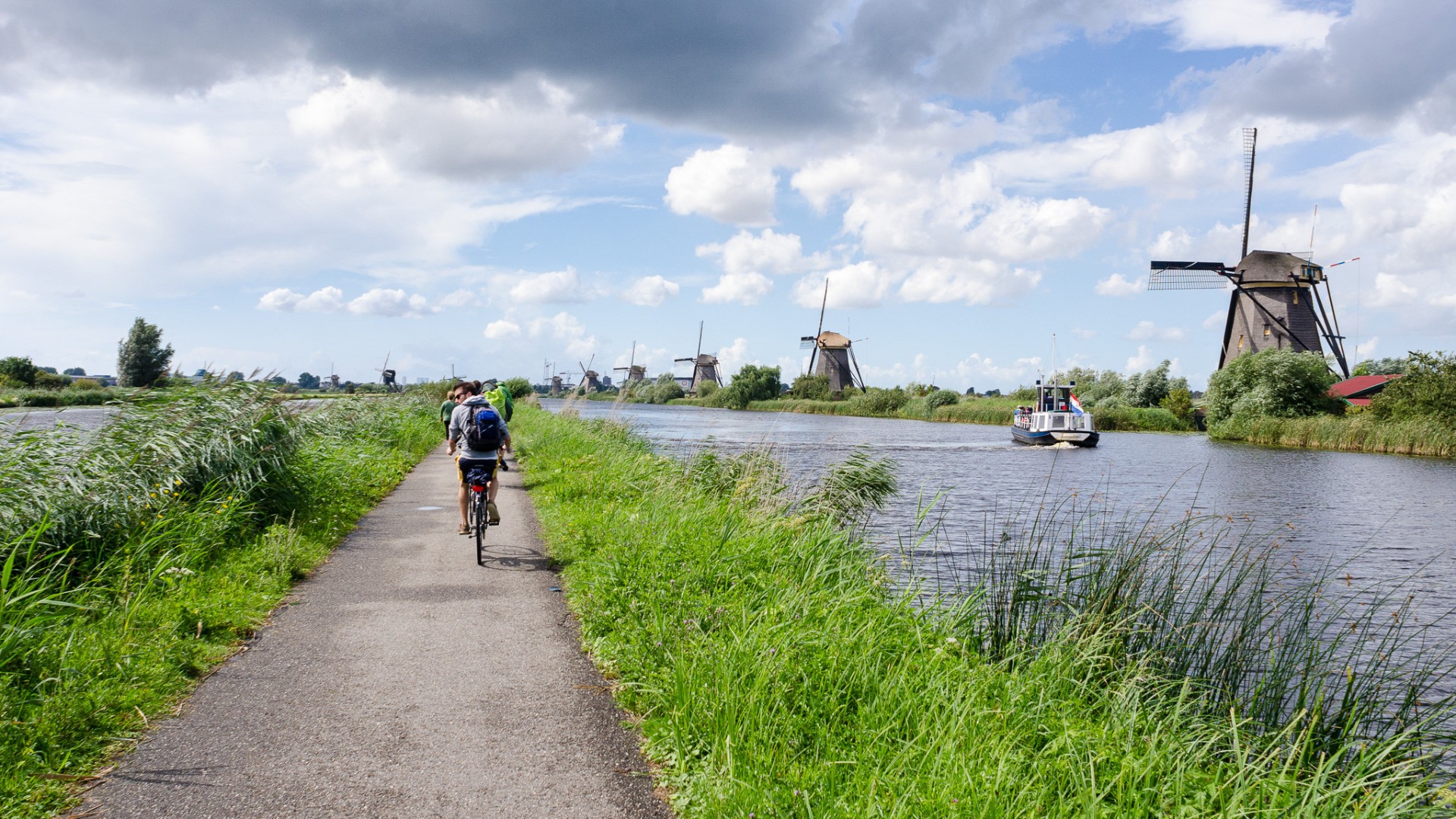
![Biking the beautiful windmill region of Kinderdijk, South Holland, the Netherlands. Flickr:Luca Casartelli]()
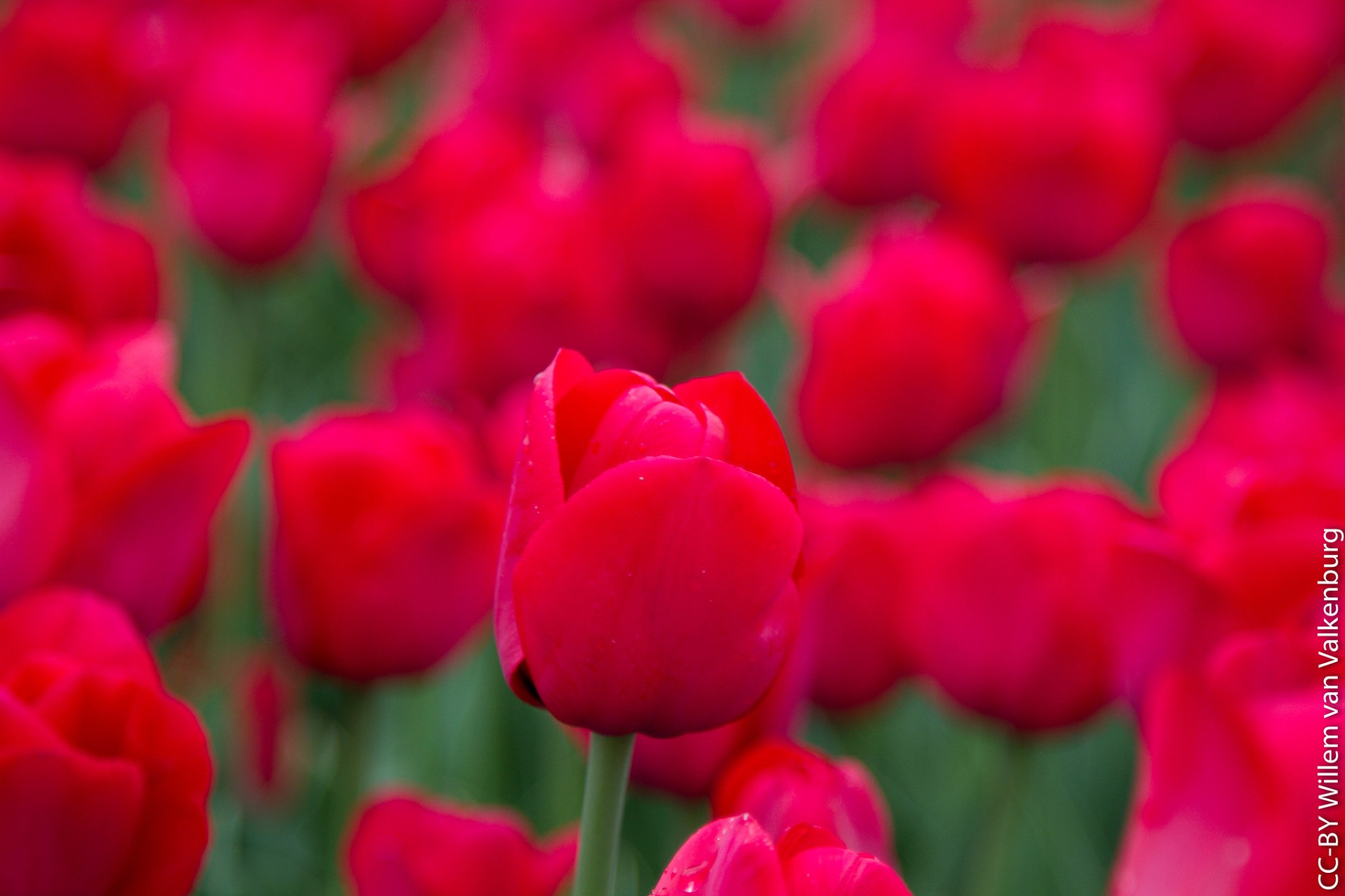
![Tulips in Holland, of course! Flickr:Willem van Valkenburg]()
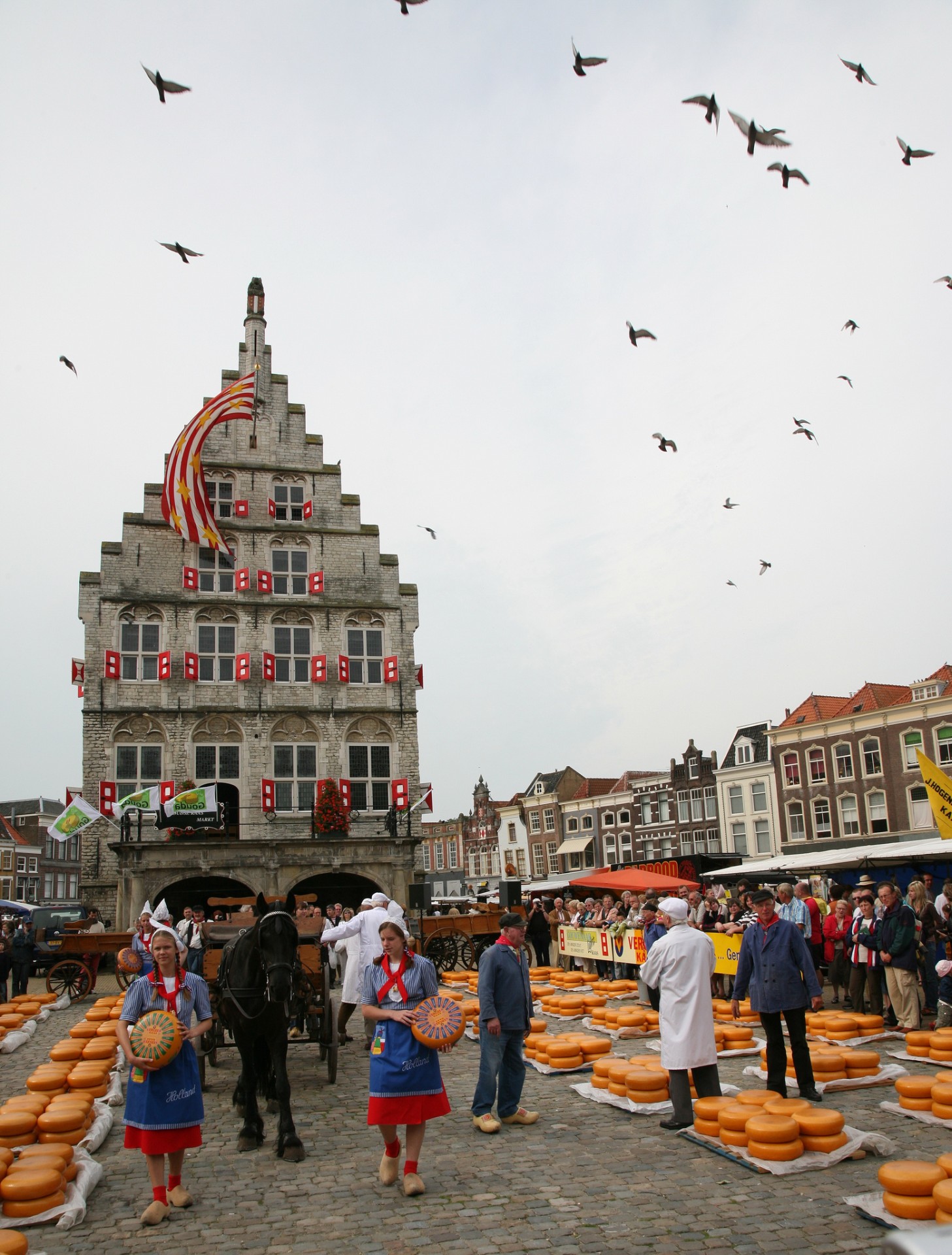
![The famous cheese market in Gouda, South Holland, the Netherlands. Flickr:bert knottenbeld]()
Reviews
Reviews 1 to 19 of 54
Kristina A.
11 months agoVerified Reviewer
Darlene M.
11 months agoVerified Reviewer
Jennifer W.
11 months agoVerified Reviewer
Mary P.
11 months agoVerified Reviewer
Susan R.
11 months agoVerified Reviewer
Janet M.
11 months agoVerified Reviewer
Catherine B.
11 months agoVerified Reviewer
Patricia B.
11 months agoVerified Reviewer
Tammie G.
11 months agoVerified Reviewer
Darlene M.
11 months agoVerified Reviewer
Cathy F.
11 months agoVerified Reviewer
Lesley S.
11 months agoVerified Reviewer
Kathleen J.
11 months agoVerified Reviewer
Jane W.
11 months agoVerified Reviewer
Cathy F.
11 months agoVerified Reviewer
Ronnie L.
11 months agoVerified Reviewer
Bonnie P.
12 months agoVerified Reviewer
Sherry A.
12 months agoVerified Reviewer
Cathleen O.
12 months agoVerified Reviewer

























Tripsite Customer Reviews
Kristina A.
11 months ago
Verified Reviewer
Darlene M.
11 months ago
Verified Reviewer
Related Tours
Easy Bike + Boat Tour in Netherlands
This bike tour in Southern Holland takes you along beautiful paths through Holland's most scenic rural region … This tour also visits the prestigious and historic towns of Haarlem, Leiden…